If you’re learning how to freeze fresh herbs, here’s the good news: you don’t need fancy gear or a giant kitchen. A small tray, a freezer bag, and a little patience will save a surprising amount of parsley, cilantro, mint, and more from the compost bin. In apartment life, I treat the freezer like extra “counter space” for flavor—especially when my balcony pots decide to explode with growth right when my week gets busy.
This guide covers a few reliable approaches (whole leaves, chopped herbs, herb cubes, and a quick blanch trick for basil), plus how to store fresh herbs in fridge when you want crisp leaves for salads and sandwiches. I’ll also flag the easy-to-miss mistakes—like freezing wet herbs or trapping too much air—that lead to blackened basil and freezer burn. By the end, you’ll have a simple routine for how to store fresh herbs from garden harvests all the way into winter soups.
Which Herbs Freeze Well and What to Expect
Most leafy herbs freeze beautifully for cooking, even if they won’t look “fresh” afterward. Parsley, cilantro, mint, sage, oregano, dill, chives, and thyme all hold onto their flavor well in the freezer—especially when you freeze them quickly and keep air out of the packaging. The trade-off is texture: once thawed, herbs tend to go limp because ice crystals damage the cell walls, so frozen herbs shine in cooked dishes, sauces, and butters rather than as a bright garnish.
My balcony rule is simple: if I want herbs for topping (tacos, caprese, grain bowls), I focus on fridge storage. If I want herbs for heat (soups, beans, roasted veggies), I freeze. Sources: SDSU Extension, Ohio State University Extension (Ohioline), and the National Center for Home Food Preservation (University of Georgia).
Harvest, Wash, and Dry for Better Flavor
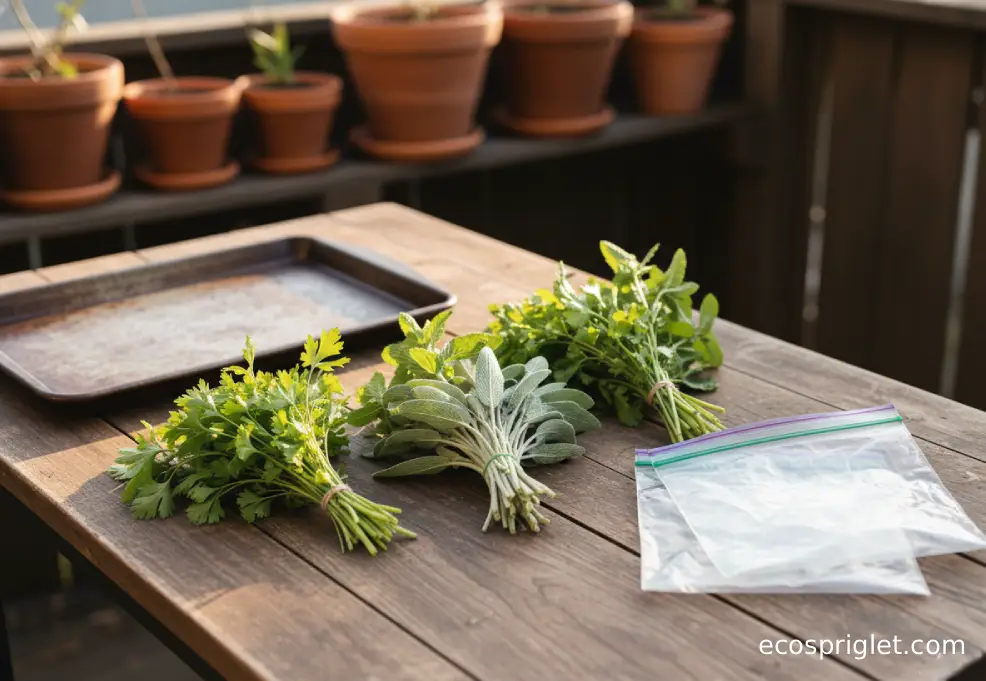
The biggest difference between “herbs that taste great frozen” and “mystery green ice” is moisture control. Start by harvesting or snipping what you’ll preserve while it still looks perky (not wilted). Rinse herbs with cool running water to remove grit, then shake hard to fling off droplets. After that, dry like you mean it: spin in a salad spinner or pat firmly with paper towels, then let the herbs air-dry on a towel for 15–30 minutes until the surface moisture is gone.
If you skip the drying step, you’ll get extra ice crystals, and that’s when flavor and color fade faster. If you’re freezing fresh cut herbs from the store, do the same routine—especially for curly parsley and cilantro, which love to hide water in their frilly leaves. Sources: FDA (produce handling and cold storage) and National Center for Home Food Preservation.
Freeze Whole Leaves and Sprigs the Simple Way
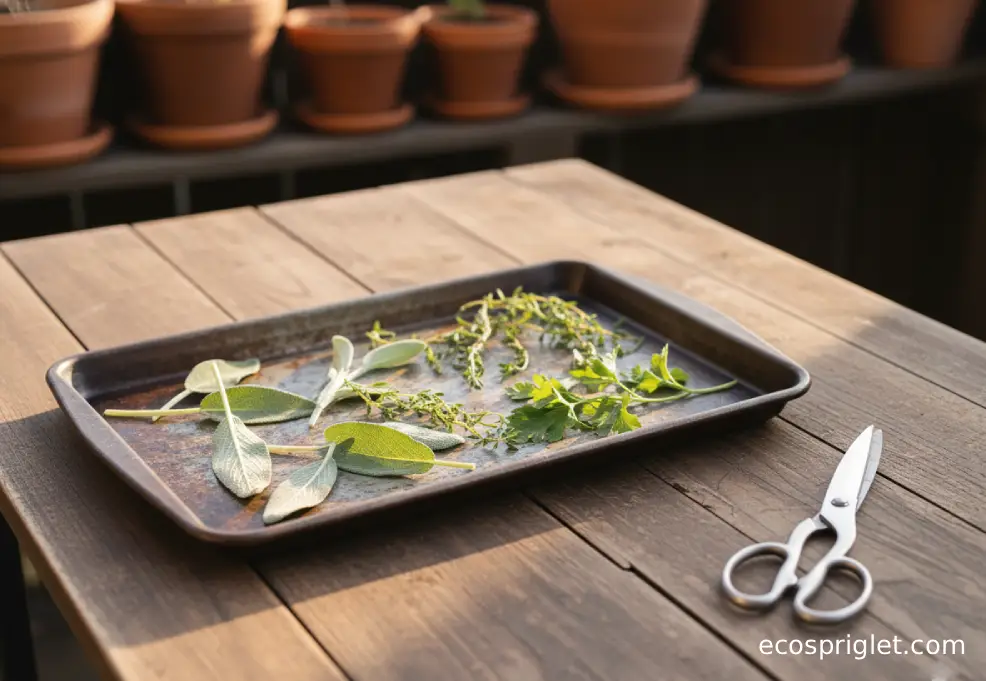
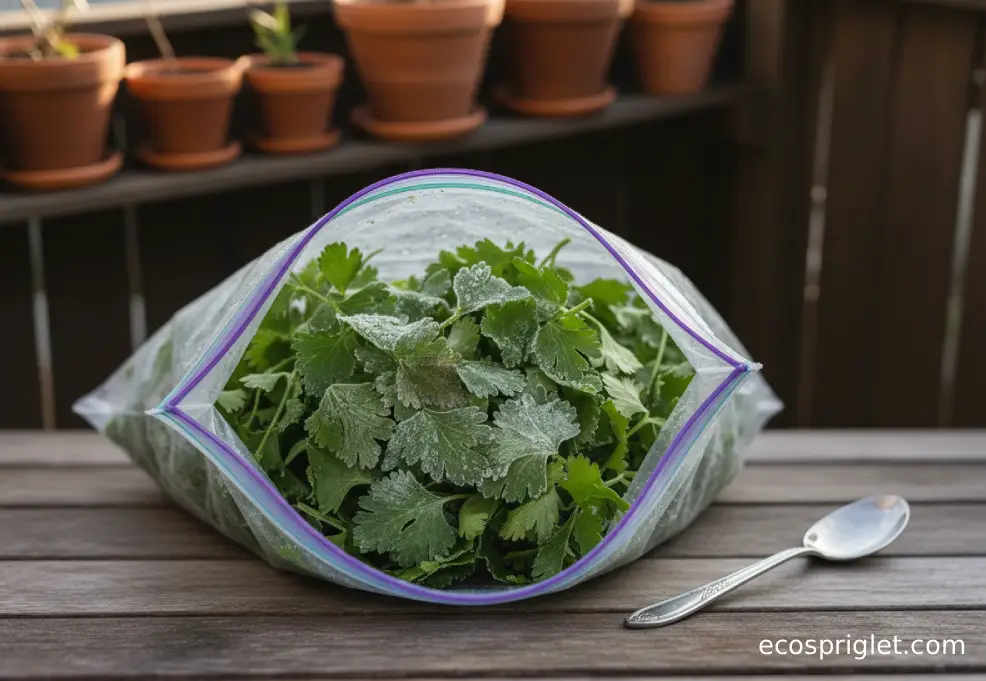
This is the no-fuss method I use when my freezer space is tight. Spread dry herbs in a single layer on a tray and freeze until firm (often around 1–2 hours). Then transfer to a freezer bag or airtight container, pressing out as much air as you reasonably can. This works especially well for sturdy sprigs like thyme and rosemary, and it’s a great way to freeze fresh herbs parsley and freeze fresh herbs sage without chopping anything first.
If basil is your troublemaker (it is for me), try a quick blanch before freezing: dip larger basil leaves for about 15 seconds, cool immediately in ice water, pat dry, then tray-freeze. I remember doing my first basil harvest without blanching and opening the freezer to a sad pile of dark leaves—still usable in soup, but not exactly appetizing. Sources: SDSU Extension and Ohio State University Extension (Ohioline).
Make Herb Cubes for Fast Weeknight Cooking
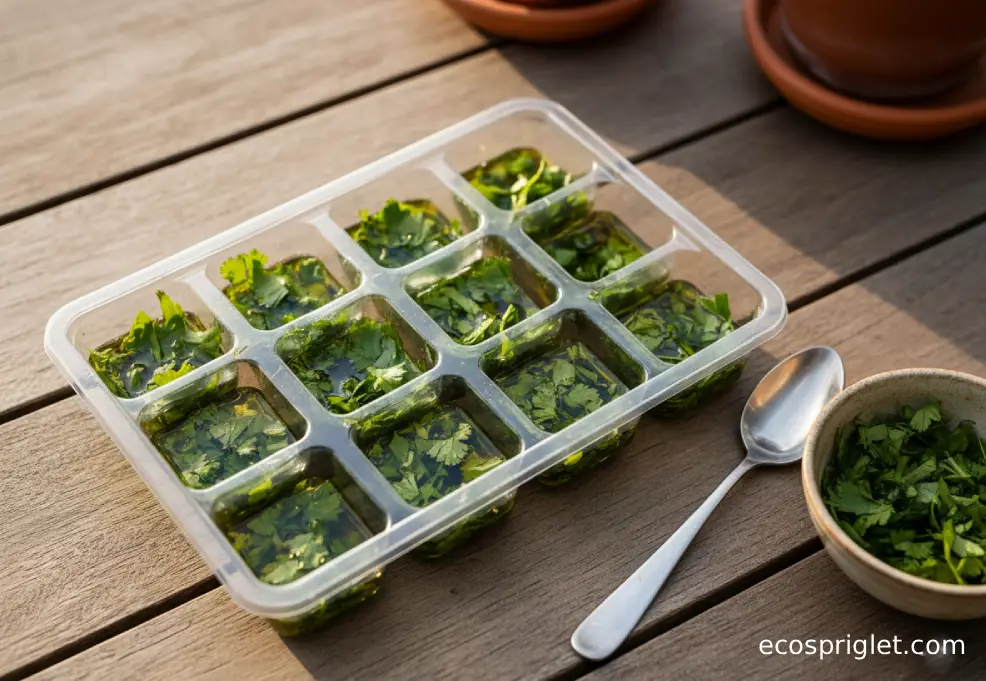
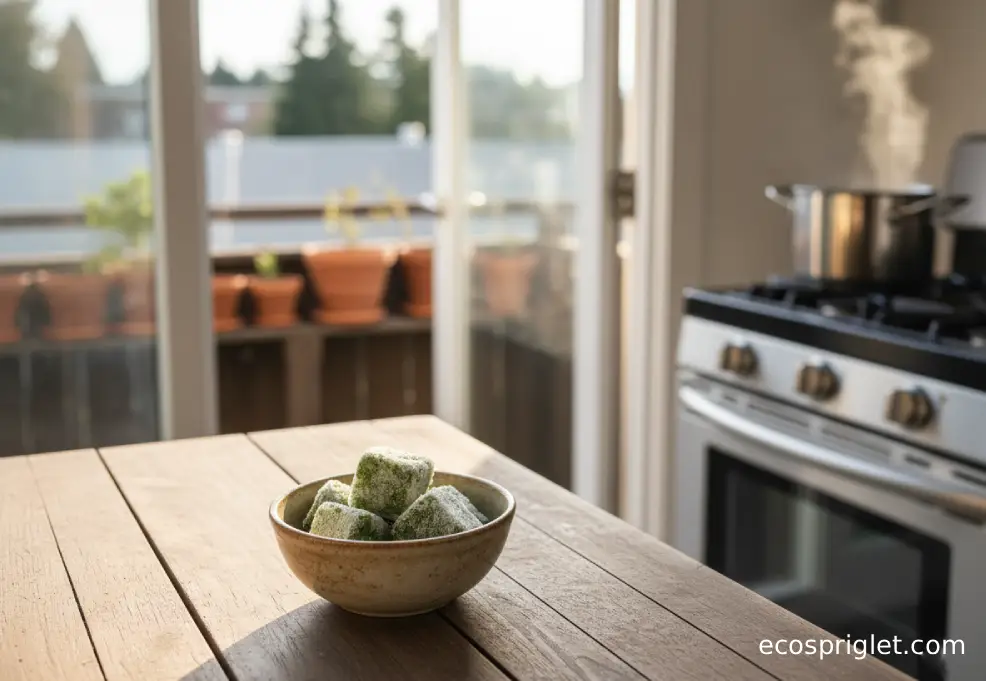
If you want the most useful freezer stash, make cubes. This is my favorite way to freeze fresh herbs cilantro and mint when I know they’ll end up in soups, rice, or skillet dinners. I started doing this after a winter week where I kept forgetting my “bag of frozen herbs” existed—cubes fixed that instantly because I could grab one like a pantry staple.
- Water cubes: Add about 1 tablespoon of chopped herbs per cube, cover with water, freeze, then transfer cubes to a freezer bag.
- Oil cubes: Chop herbs, mix with oil, portion into trays, and freeze. These are amazing for sautéing aromatics or starting a sauce.
- Combo cubes: Try cilantro + lime zest (great for beans), parsley + garlic (great for soups), or sage + butter (great for pasta).
Two practical tips that matter: (1) push the herbs down so they’re submerged (less browning), and (2) once cubes are frozen, get them into a sealed bag quickly so they don’t pick up freezer odors. Also, don’t store herbs in oil at room temperature—freeze right away, and keep cubes frozen until you cook with them. Sources: SDSU Extension, Michigan State University Extension, and CDC botulism prevention guidance.
How to Store Fresh Herbs in the Fridge First
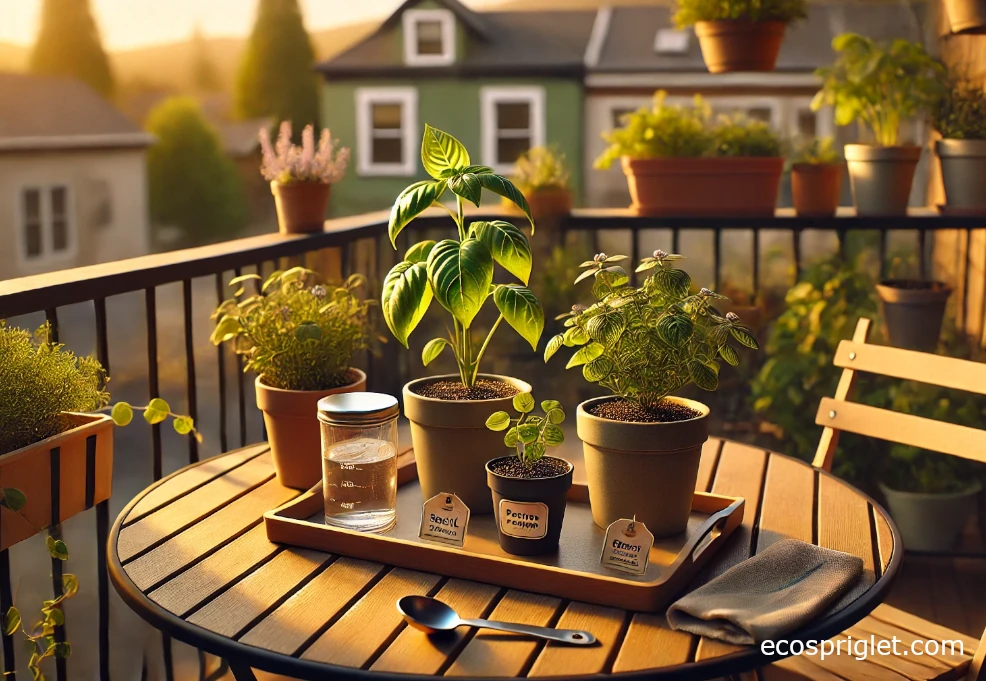
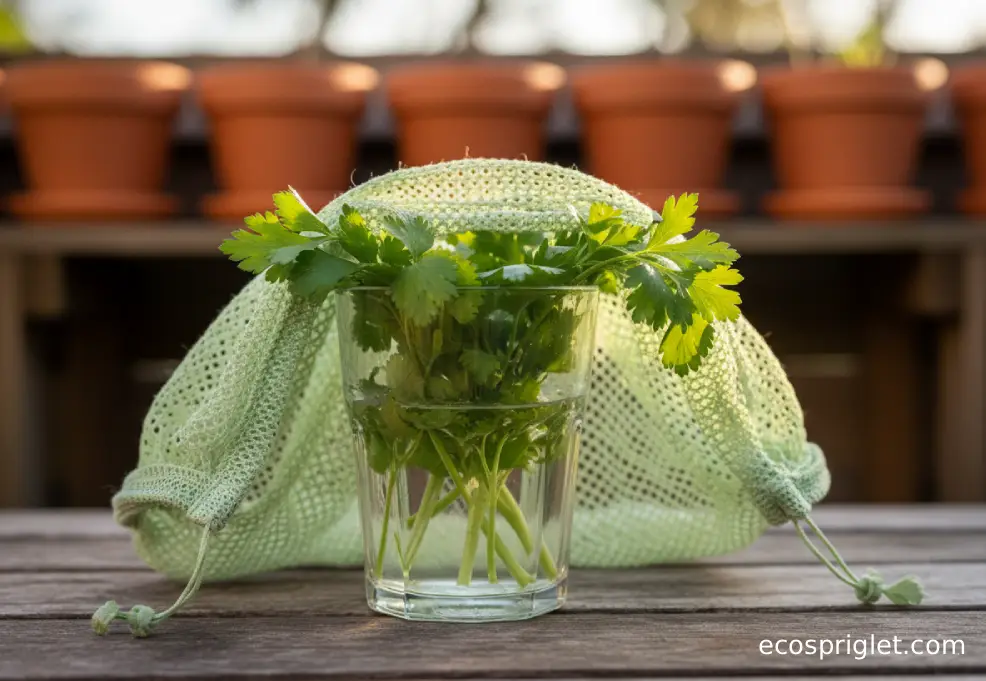
Sometimes freezing isn’t the first move. If you want crisp leaves this week, start with fridge storage—then freeze what you can’t finish. For how to store fresh herbs in fridge, the “little bouquet” method works well for parsley, cilantro, mint, oregano, and sage: stand stems upright in a glass with a couple inches of water, remove any leaves that would sit below the waterline, and give the stems a bit of breathing room. Change the water every couple days, and trim 1/4 inch off the stems if they look slimy or dull.
Oregon State University Extension also suggests a breathable approach (like a mesh produce bag plus a lightly moistened towel) to avoid trapping too much moisture, which can cause decay. If you’re dealing with basil, cold can be rough on quality in a typical fridge—so I often use basil quickly, or freeze it sooner (especially as cubes). Sources: Oregon State University Extension, University of Minnesota Extension, and FDA cold storage guidance.
Label, Pack, and Store Fresh Herbs Long Term
If you’re aiming for how to store fresh herbs long term, packaging matters almost as much as the freezing method. Keep your freezer at 0°F and your refrigerator at 40°F or below—temperature swings are where quality drops fast. Press out extra air, seal tightly, and store herbs in small portions so you’re not thawing and refreezing the same bag repeatedly. Freezer burn is a quality issue (dry, pale patches), not a safety issue, but it’s still worth avoiding by minimizing air exposure.
| Herb | Best Freezer Method | Best Use After Freezing |
|---|---|---|
| Parsley | Tray-freeze chopped or whole leaves | Soups, beans, sauces |
| Cilantro | Herb cubes (water or oil) | Rice, tacos (in cooked fillings), stews |
| Mint | Herb cubes (water for tea, oil for cooking) | Tea, syrups, cooked dishes |
| Sage | Whole leaves tray-frozen | Roasts, brown-butter sauces |
For most home freezers, plan to use frozen herbs within about 3–6 months for best flavor, even though properly frozen food stays safe longer. This is the backbone of how to store fresh herbs in freezer without ending up with dull, “freezer-ish” flavor.
Sources: Ohio State University Extension (Ohioline), USDA FSIS, and FDA.
Troubleshooting: Black Basil, Freezer Burn, and Off Flavors
- Basil turns black: Usually oxidation + enzymes. Try blanching larger leaves for about 15 seconds, then ice-bath and dry well before freezing, or freeze basil as oil cubes.
- Herbs taste “freezer-y”: That’s often odor absorption. Double-bag, use an airtight container, and keep herbs away from strong-smelling frozen foods.
- Freezer burn shows up fast: Press out air, freeze in small portions, and don’t “half-seal” bags. If your freezer is packed wall-to-wall, air circulation drops and the temperature can creep upward.
And one more reality check: thawed herbs won’t bounce back to salad texture. If you want bright, fresh leaf structure, prioritize fridge storage and use frozen herbs for heat. Sources: SDSU Extension, Ohio State University Extension (Ohioline), and FDA freezer guidance.
Common Mistakes to Avoid
- Freezing herbs while they’re still wet: leads to icy clumps and faster quality loss. Dry thoroughly first.
- Using one giant bag for everything: makes you thaw and refreeze repeatedly. Freeze in small “recipe-sized” portions instead.
- Sealing in lots of air: invites freezer burn. Press out air or use a rigid container for delicate leaves.
- Leaving herb oils at room temp: don’t do it. Freeze immediately, or refrigerate and discard quickly if it’s a homemade oil mix.
I learned the “small portions” lesson the hard way on a tiny Portland apartment freezer shelf—one big bag turns into a freezer fossil you never want to deal with. Keep it bite-sized and you’ll actually use what you freeze. Sources: SDSU Extension, Ohio State University Extension (Ohioline), and CDC guidance on oils made with garlic or herbs.
Creative Ways to Use Frozen Herbs
Frozen herbs are at their best when you treat them like a flavor base, not a garnish. Drop a cube into soup, chili, lentils, or tomato sauce during the last 5–10 minutes of cooking, or melt an oil cube in a skillet before adding onions and veggies. For mint cubes, I love tossing one into hot water for a quick “freezer tea” when the weather is gray and my balcony planters are taking a break.
Another easy win: blend frozen parsley or cilantro into hummus, chimichurri-style sauces, or vinaigrettes (just expect a softer texture and a greener, more blended look). And if you’re cooking for someone who’s picky about “green bits,” frozen herbs disappear beautifully into meatballs, marinades, and creamy soups.
Freezing herbs is one of those small habits that makes apartment cooking feel richer all year. Dry your herbs well, choose a method that matches how you actually cook (whole leaves for flexibility, cubes for convenience), and package with as little air as possible. If you remember nothing else: keep the freezer cold (0°F), keep portions small, and expect frozen herbs to be best in cooked dishes—not as a fresh garnish.
And don’t overlook the “middle step” of fridge storage. When you learn how to store fresh herbs in fridge for a week or two, you can enjoy crisp leaves now and freeze the rest before they wilt. That’s the sweet spot for most urban gardeners—especially when your parsley pot decides to thrive on the one week you’re busy.