If you’ve ever looked at your pothos or basil and thought, “Why are the new leaves so small?”, you’re not alone. Indoors, plants depend on us for every nutrient—there’s no rain to flush salts and no worms turning debris into food. The good news: you don’t need smelly brews or mystery concoctions.
In this guide, I’ll show you low-odor, apartment-friendly DIY fertilizers with exact dilutions you can mix in a measuring cup, plus when to use them (and when to pause). We’ll also cover how to prevent salt buildup, what to do if tips turn crispy, and a special DIY routine for air plants. By the end, you’ll have a simple, repeatable plan that keeps growth steady without inviting fungus gnats to move in.
Indoor Fertilizer Basics: What Plants Actually Need
Plants need three major nutrients in larger amounts: nitrogen, phosphorus, and potassium. You’ll see these listed as N-P-K on fertilizer labels. Nitrogen supports leafy growth, phosphorus helps with roots and flowers, and potassium supports overall plant vigor. Plants also need smaller amounts of calcium, magnesium, sulfur, iron, manganese, and other micronutrients.
Indoors, the key word is “controlled.” A plant in a pot cannot escape a strong dose. If fertilizer salts build up, roots can burn, leaf tips can crisp, and the plant may look thirsty even when the soil is damp. University of Maryland Extension notes that most indoor plants do not need fertilizer during winter because reduced light and growth lower nutrient demand. University of Minnesota Extension also recommends restarting gently in spring, often at half strength every 2–4 weeks for actively growing plants.
So instead of thinking “more fertilizer equals more growth,” think: enough nutrients, at the right time, in a pot that drains well.
- Bright light + active growth: light feeding can help.
- Low light + stalled growth: pause or reduce feeding.
- Fresh potting mix: wait 3–4 weeks before adding fertilizer unless the mix label says otherwise. If the bag has been open for a long time, check whether potting soil can go bad before using it on sensitive indoor plants.
- Dry soil: moisten first with plain water before fertilizing sensitive plants.
Good candidates for light feeding include pothos, philodendron, basil, mint, African violets, and indoor peppers or tomatoes under strong grow lights. Succulents and cacti need much less. For indoor herbs specifically, a bigger care routine matters too—light, pruning, and watering all work together. You can pair this with the Beginner’s Indoor Herb Guide.
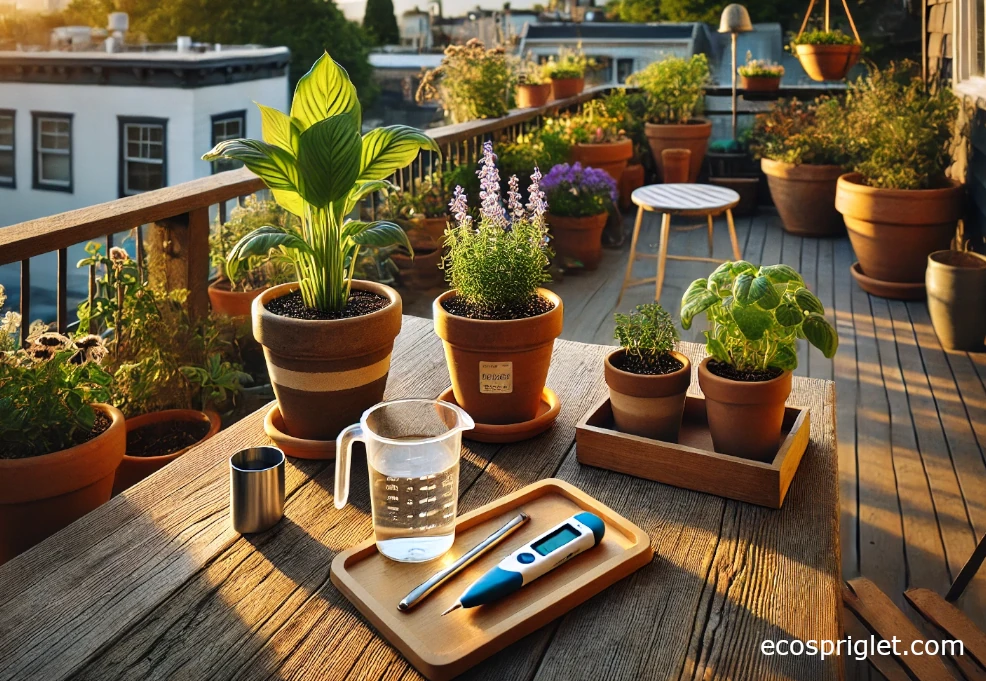
What I Would Not Put in an Indoor Pot
Some homemade fertilizer ideas sound natural but behave badly in apartments. I learned this the annoying way with coffee grounds years ago. I sprinkled them on a pot, felt very resourceful, and then watched the surface get crusty while fungus gnats treated the plant like a new apartment building.
Indoor pots are not compost piles. They do not have the same airflow, microbial activity, or volume to break down raw scraps cleanly. University of Minnesota Extension notes that coffee grounds are better added to compost, and it also cautions against treating eggshells or Epsom salts as miracle fixes. That does not mean every kitchen-derived material is useless; it means indoor use needs restraint.
- No raw banana peels in pots: they rot slowly, smell, and attract pests.
- No milk, soda, or sugary brews: they feed the wrong microbes indoors.
- No coffee-ground top-dressing: compost grounds first or skip them for indoor plants.
- No “just in case” Epsom salt: use magnesium only when symptoms and context point that way.
- No smelly fermented mixes indoors: if it foams, smells sour, or feels barn-like, it belongs outside or in compost.
My apartment rule is simple: if a fertilizer recipe makes the room smell like a forgotten lunchbox, it is not a houseplant routine. Clean, diluted, same-day mixes are safer.
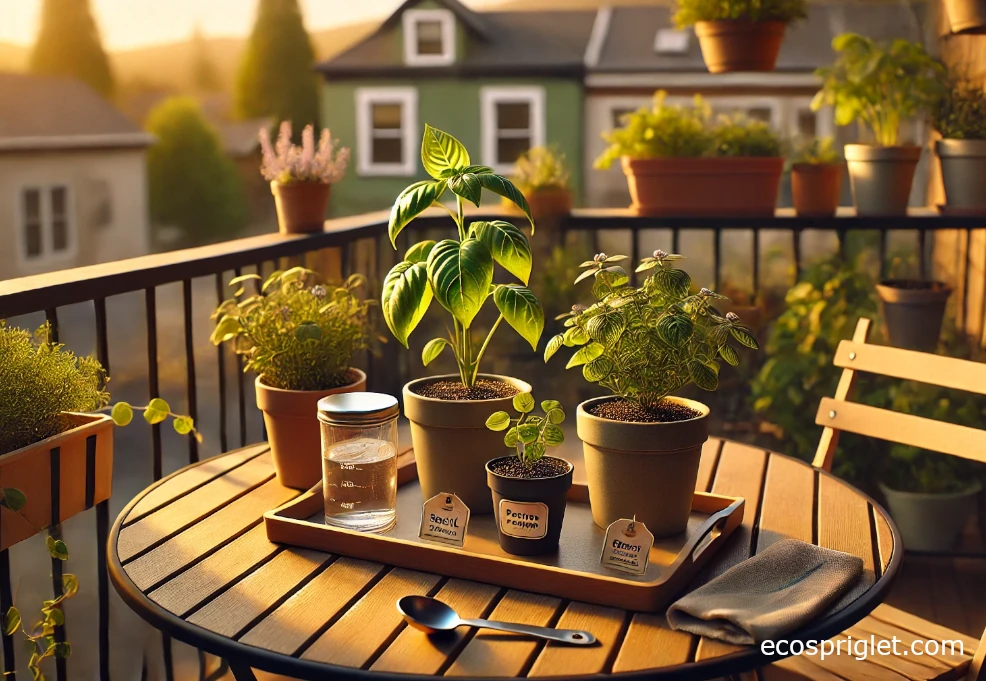
Low-Odor DIY Options That Make Sense Indoors
The best homemade fertilizer for houseplants is not always fully homemade. Sometimes it is a gentle, measurable input—like worm castings or kelp extract—used at a conservative dilution. I’d rather see a beginner use a tiny, repeatable dose than chase five kitchen experiments at once.
Use filtered water, rainwater, or tap water that has rested overnight if your local water is very chlorinated. Make small batches and use them the same day. Don’t store cloudy organic mixes under the sink for a week; that is how a mild plant tonic becomes a smell problem.
Worm-Casting Quick Soak
Mix 1 tablespoon of worm castings into 1 cup of water. Let it sit for 30–60 minutes, stir once or twice, then strain. Treat this as a mild soil drench, not a strong fertilizer.
- For most foliage plants: dilute the strained liquid about 1:10.
- For seedlings or African violets: dilute closer to 1:20.
- Frequency: every 3–4 weeks during active growth.
Diluted Kelp Extract
Kelp extract is useful as a micronutrient and stress-support supplement, but it is not a complete replacement for a balanced fertilizer. Follow the product label, then use the lower end of the rate for indoor plants. If the label allows houseplant use, I usually start at half strength or less.
- Typical conservative approach: 1/4 to 1/2 label strength.
- Use: soil drench rather than heavy leaf spraying indoors.
- Frequency: about once every 4 weeks in bright, active growth.
Aquarium Water, Used Carefully
Freshwater aquarium water can sometimes be useful for foliage plants because it contains low levels of nutrients from fish waste. But it is not automatically safe. Skip it if the tank is salty, medicated, chemically treated, or unhealthy.
- Use only freshwater aquarium water.
- Dilute 1:1 with plain water the first time you try it.
- Use on soil only, not on edible leaves you plan to harvest soon.
Eggshell Water: Mostly a Calcium Experiment, Not a Main Feed
Eggshell water gets talked about a lot, but it is not a reliable fix for indoor plant nutrient problems. Eggshells break down slowly, and blossom-end rot in peppers or tomatoes is often related to inconsistent watering and calcium movement inside the plant, not just a lack of eggshells in the pot.
If you want to use clean, crushed eggshells, composting them first is usually the better route. For indoor containers, I would not build a feeding routine around eggshell water. Use a balanced fertilizer routine and steady watering instead.
Epsom Salt: Targeted, Not Routine
Epsom salt is magnesium sulfate. It can help only when magnesium is actually the problem. If older leaves show yellowing between green veins and you have ruled out watering stress, root problems, and pH issues, a one-time very diluted treatment may be reasonable.
- Conservative mix: 1/2 teaspoon per gallon of water, once.
- Wait: reassess new growth after 2–3 weeks.
- Do not repeat blindly: excess salts can make root stress worse.
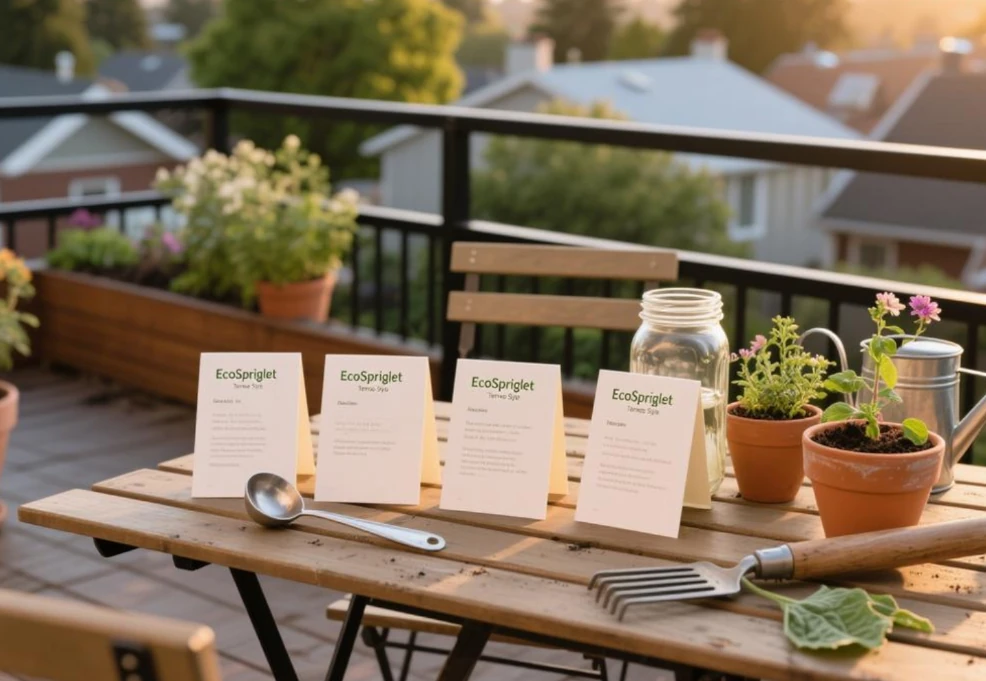
Simple Recipe Cards for Apartment Growers
Here are the routines I’d actually keep on a kitchen note card. They are intentionally mild. If your plant is growing strongly, you can repeat them on schedule. If the plant is sitting in low light and doing nothing, pause.
- Leafy Boost: 2 tablespoons strained worm-casting soak in 1 quart water. Use every 3–4 weeks in active growth.
- Micronutrient Nudge: kelp extract at 1/4 to 1/2 label strength. Use about once a month in bright seasons.
- Seedling Gentle Start: worm-casting soak diluted around 1:20 after the first true leaves appear. Use plain water the next time.
- Bright-Herb Routine: very mild worm-casting soak every 2–3 weeks for basil or mint under strong light.
- Low-Light Pause: no fertilizer, or at most a very weak monthly feed if the plant is still producing new leaves.
- Magnesium SOS: 1/2 teaspoon Epsom salt per gallon once, only when symptoms fit a likely magnesium shortage.
Do not stack all of these in the same month. Pick one base routine, then watch the next leaves. Damaged old leaves rarely repair themselves; the real test is whether new growth comes in stronger, greener, and more normal.
How Often to Feed Indoor Plants
Light drives appetite. A pothos in a bright window, a basil plant under LEDs, and a philodendron in a dim corner do not need the same feeding schedule. Fertilizer cannot replace light. If a plant is stretching, leaning, and making tiny pale leaves, move it brighter before you increase nutrients.
University of Minnesota Extension recommends gentle feeding as houseplants resume active growth, while University of Maryland Extension advises against winter fertilizing for many indoor plants because growth slows under reduced light. That lines up with what I see on my own shelves: the same plant that wants a little monthly help in May may want nothing in January.
- Foliage plants: feed every 3–4 weeks in spring and summer if growth is active.
- Leafy herbs in strong light: feed lightly every 2–3 weeks; harvest regularly to keep growth fresh.
- African violets: use a mild, appropriate fertilizer routine and avoid soaking the crown.
- Succulents and cacti: feed rarely, usually once or twice during active growth at very weak strength.
- Seedlings under lights: start only after true leaves appear, then alternate mild feedings with plain water.
If you recently repotted into a fresh commercial potting mix, wait 3–4 weeks before adding anything unless the plant is clearly hungry and actively growing. Many mixes already contain nutrients or slow-release fertilizer.
Water Quality, pH, and Salt Buildup
Even gentle fertilizer leaves minerals behind. Over time, those salts can collect in potting mix, especially when plants are watered lightly from the top or mostly from the bottom. Missouri Extension notes that salts can form a white crust on the soil surface and that occasional top watering can help wash salts out, as long as the drained water is not reabsorbed.
This is why drainage holes matter. A plant in a no-drainage pot has nowhere to send extra salts. A plant in a draining pot can be flushed when needed.
- Monthly flush: run 2–3 times the pot’s volume of plain water through the mix, then let it drain fully.
- After flushing: empty the saucer so the pot does not wick salty water back up.
- White crust: scrape off the top layer gently if it is heavy, then replace with fresh mix.
- Hard water: consider filtered water, rainwater, or occasional flushing if you see repeated mineral deposits.
Most houseplants prefer a slightly acidic to near-neutral root environment, but I would not ask beginners to chase pH numbers every week. Watch patterns instead. New leaves yellowing between green veins can point toward iron availability problems, especially if you have hard water or have been adding calcium-rich inputs. In that case, stop the calcium experiments first, then review how to improve soil pH before adding more amendments.
Troubleshooting: Deficiency vs. Overfeeding
- N low: overall pale leaves, slow growth → one 1:10–1:20 worm-tea drench; reassess in 2 weeks.
- P low: dull, dark leaves; poor flowering → improve light first; then a balanced feed at half strength.
- K low: weak stems, edge scorch → balanced feed; ensure drainage/regular flushes.
- Mg low: yellow between veins on older leaves → 1/2 tsp Epsom salt per gallon once; don’t repeat blindly.
- Fe low: new leaves yellow with green veins → slightly acidic waterings; stop calcium add-ons; optional chelated iron at half label.
- Overfeeding: crispy tips, sudden droop, heavy crust → immediate 3× pot-volume flush; resume at half strength after 3–4 weeks.
Air Plant Fertilizer: A Separate Routine
Air plants, or Tillandsia, are different from regular houseplants because they absorb much of their moisture and nutrients through their leaves. They also dislike residue sitting in their leaf bases. University of Illinois Extension recommends bright indirect light, good air circulation, drying after watering, and fertilizing at about quarter strength while watering.
For apartment care, keep the fertilizer very weak and the drying step serious. I’ve seen more air plants lost to trapped water than to lack of fertilizer.
- Mix: use a bromeliad, epiphyte, or balanced fertilizer at about 1/4 label strength.
- Method: soak for 10–15 minutes, or follow the label for the specific product.
- After feeding: rinse lightly with plain water if residue is visible, shake gently, and dry upside down or on a towel.
- Frequency: about once a month in active growth; less often in winter.
- Important: never leave water trapped in the base of the plant.
Do not use worm-casting tea or cloudy compost soaks on air plants. Their leaves are not built for sticky residue.
Quick Wins and No-Fuss Alternatives
If DIY routines feel like too much, it is perfectly fine to use a commercial houseplant fertilizer at half strength. “Homemade” is not automatically better. What matters is that you use a safe dose, at the right time, and with enough plain-water flushing to keep the pot healthy.
- Keep one measuring spoon: do not guess fertilizer amounts over the sink.
- Choose one feed day: every 3–4 weeks during active growth is easier to remember.
- Label your bottle: write the dilution and date if you mix anything ahead.
- Use fresh batches: organic soaks should be used the same day.
- Repot when needed: heavy-feeding herbs may need fresh mix yearly; many foliage plants can go longer. If you are reusing soil after pests, mold, or root trouble, knowing how to sanitize soil can help you decide whether the old mix is worth saving.
Also remember that fertilizer cannot fix exhausted structure. If a potting mix has collapsed, stays wet too long, or has become dense and airless, repotting with a lighter mix can do more than another feeding. If your mix feels heavy, adding an aeration ingredient can help; here is a practical explanation of perlite.
Mini-Checklist
- Feed only when plants are actively growing.
- Start mild: 1/4 to 1/2 strength is usually safer indoors.
- Use worm-casting soak at about 1:10 to 1:20 dilution.
- Use kelp extract only at a conservative label-based rate.
- Skip raw scraps, banana peels, milk, baking soda, and coffee-ground top-dressing.
- Flush pots monthly or whenever you see salt crust.
- Pause feeding in low light, winter slowdown, pest stress, or root trouble.
- For air plants, use about 1/4-strength fertilizer and dry them thoroughly afterward.
FAQ
- Do coffee grounds help houseplants? Not directly in the pot—compost first or skip; grounds can compact and invite gnats.
- Can I use aquarium water? Often yes; dilute 1:1 with fresh water and watch salts.
- Why did my DIY tea smell bad? It went anaerobic or sat too long. Make tiny batches and use within 24 h.
- Is banana peel water real or a myth? Mostly a smell/gnat magnet. Use known, balanced inputs instead.
- How soon will I see results? In good light, new growth often improves within 2–3 weeks; damaged leaves rarely “heal,” so watch the next leaves.
Conclusion: Keep Indoor Feeding Gentle and Boring
DIY fertilizing indoors works best when it is clean, mild, and almost boring. A small worm-casting soak, a conservative kelp dilution, or occasional safe aquarium water can support growth without turning your pots into science experiments. The biggest mistake is trying to feed your way out of low light, soggy soil, or a tired potting mix.
Start with one simple routine: feed every 3–4 weeks during active growth, flush with plain water monthly, and pause when growth slows. If leaf tips crisp or white crust appears, stop feeding and rinse the potting mix before adding anything else. If new growth improves, you are on the right track.
For indoor herbs, fertilizer is only one part of the system. Strong light, pruning, drainage, and steady watering matter just as much.