Trying to make soil more acidic sounds simple until you realize there are three different questions hiding inside it. First, does your plant actually want acidic soil? Second, are you working in a garden bed or a container on a balcony? Third, are you hoping for a quick fix, or a long-term change that keeps working next season too? Those details matter more than most beginners expect.
For most vegetables and herbs, you do not need strongly acidic soil at all. But blueberries, azaleas, rhododendrons, camellias, heathers, and many hydrangeas are a different story. Blueberries are especially fussy, and high pH is one of the fastest ways to end up with pale leaves, stalled growth, and disappointing harvests. Extension guidance consistently points to soil testing first, then using elemental sulfur or an acid-formulated growing medium when pH really needs to come down. Containers also give you a useful shortcut: instead of fighting your native soil, you can start with an acidic potting mix and manage it more precisely.
I’ve found this is one of those topics where a small, patient adjustment beats a dramatic one every time. A measured plan is safer for roots, easier on your wallet, and much more realistic for apartment gardeners working with pots, bags of mix, and a hand trowel instead of a tiller.
Why Soil Acidity Matters Before You Reach for a Soil Acidifier
Soil pH controls how easily plants can take up nutrients. When pH is too high for an acid-loving plant, iron and other nutrients become harder for roots to access, even when those nutrients are technically present. That is why a blueberry in the wrong mix often turns yellowish and weak instead of deep green and productive. Most fruits and vegetables do well in slightly acidic to neutral soil, while blueberries need a much lower pH range than the average patio tomato or basil plant.
The first practical takeaway is this: do not acidify soil just because a bag says soil acidifier or because someone online swears coffee grounds fixed everything. Coffee grounds are not reliable for meaningfully lowering pH for true acid-lovers, and both the University of Minnesota Extension and Oregon State Extension caution gardeners not to expect brewed coffee grounds to create the kind of sustained acidity blueberries and rhododendrons need.
If you are gardening in pots, acidity matters even more because the root zone is small and every watering gradually changes the chemistry of the mix. I learned this the hard way with a patio blueberry that looked fine for one spring, then slowly faded because I kept topping the pot off with generic mix and watering with hard tap water. The plant was not dramatic about it. It just sulked for months.
Test First and Set the Right pH Target
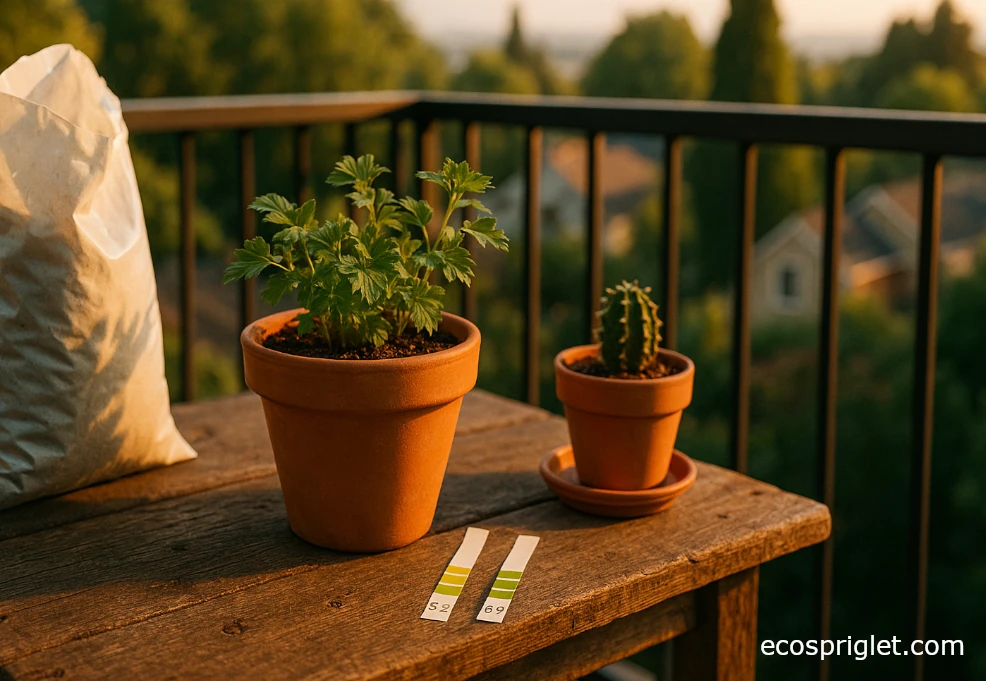
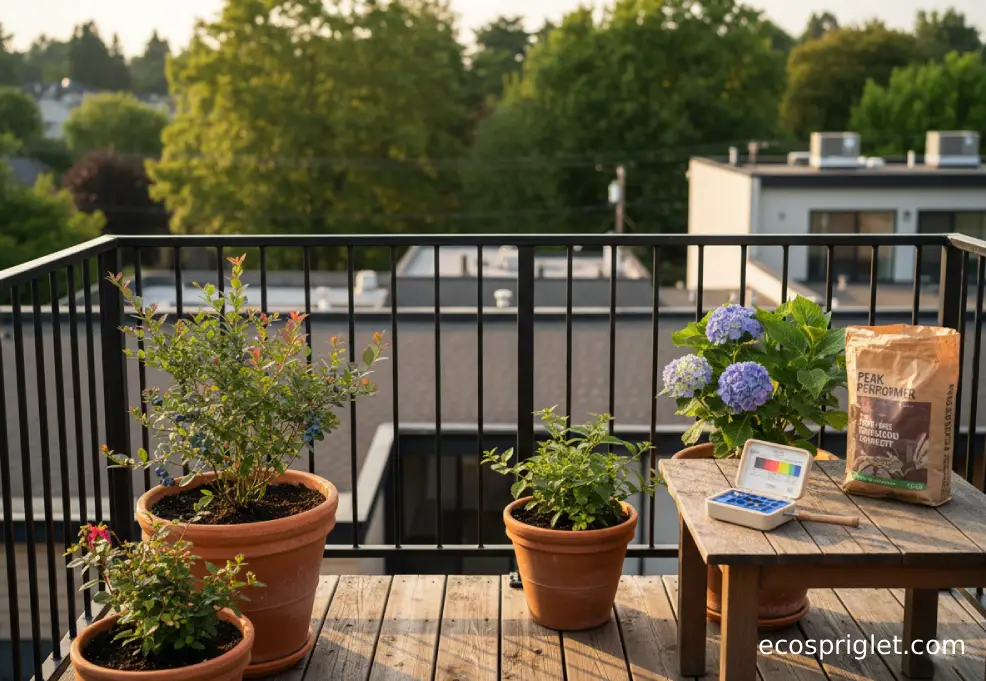
Before you lower soil pH, find out where you are starting. A home pH kit is fine for a quick check in containers, but a proper soil test is the better choice for in-ground beds and for any long-term planting like blueberries. Extension guidance recommends testing before establishing perennial acid-loving plants because some soils are so alkaline, or so buffered, that lowering pH is slow and sometimes impractical.
Good targets are narrower than many beginners expect. Blueberries generally need about pH 4.5 to 5.5, and hydrangea flower color on bigleaf types shifts bluer in roughly the 5.0 to 5.5 range, while pink tones are more likely as pH rises toward 6.0 to 6.5. That does not mean every plant in your space should be pushed that low. It means you should match the root zone to the plant, not force every pot and bed into the same chemistry.
| Plant Type | Useful pH Range | Best Beginner Approach |
|---|---|---|
| Blueberries | 4.5–5.5 | Use ericaceous potting mix and monitor pH |
| Bigleaf hydrangeas for bluer blooms | 5.0–5.5 | Improve Soil pH carefully and avoid overdoing aluminum products |
| Most vegetables and herbs | About 5.5–7.0 | Usually do not acidify unless a test shows a real need |
| Azaleas and rhododendrons | 4.5–5.5 | Start with acidic mix rather than trying to correct heavy alkaline soil |
The table above keeps the big picture simple and container-friendly.
How to Make Soil Acidic in a Safe, Practical Way
For long-term pH reduction, elemental sulfur is the standard tool. It is widely sold as soil sulfur or soil acidifier, and both university extension sources and the RHS point to sulfur as the most common material for lowering pH. The catch is timing: sulfur is not a same-week solution. It usually takes months to shift pH, and repeat applications may be needed to maintain the lower range.
That slow reaction is exactly why I tell beginners to think in seasons, not weekends. If you are planting blueberries in spring, the smarter move is often to prep the bed in fall or to plant into a ready-made acidic container mix now and adjust gradually. For established containers, it is usually safer to refresh part of the mix, use a peat-free ericaceous compost, and apply only label-rate sulfur than to dump in a heavy dose and hope for the best. RHS guidance also notes that peat itself is no longer recommended as the go-to answer for acidifying soil.
- Use elemental sulfur for steady pH reduction, and follow the label because rates depend on current pH and soil type.
- In containers, swap to an acidic potting mix first, then make small corrections rather than dramatic ones.
- Retest after a few months instead of guessing. Sulfur works slowly, so early overcorrection is a common beginner mistake.
- Skip coffee grounds as your main strategy. They are better treated as compost ingredients than as a dependable pH tool.
One more caution for hydrangeas: University of Maryland Extension specifically advises sulfur or iron sulfate to lower pH and warns that too much aluminum sulfate can damage or burn roots. That is a good reason not to chase blue flowers with repeated heavy-handed drenches.
Best Container Tricks for Blueberries, Hydrangeas, and Other Acid-Lovers
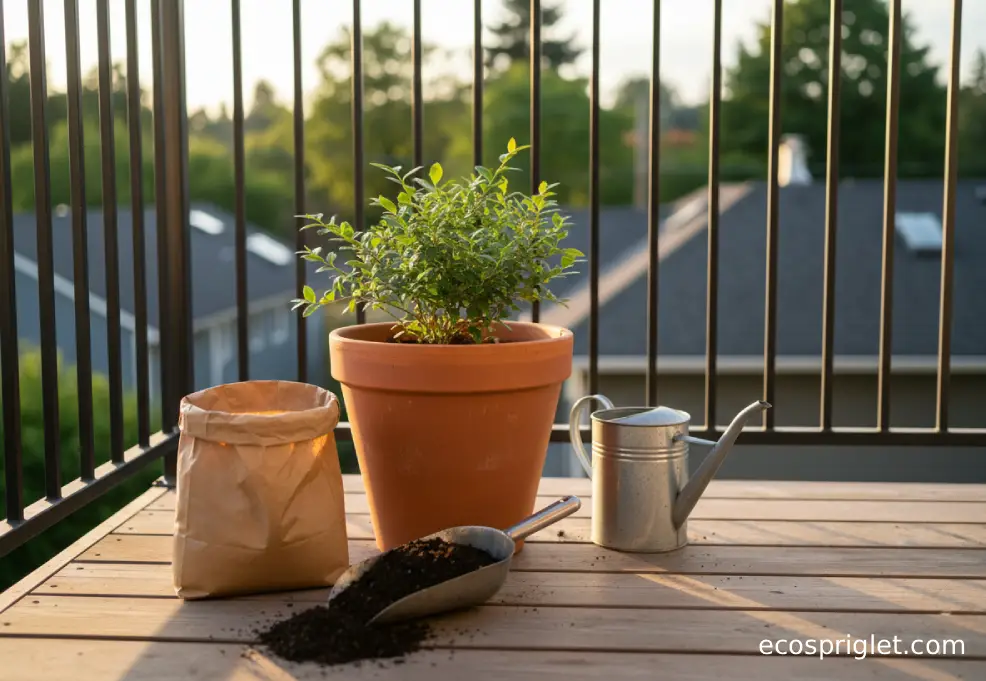
Containers give you a huge advantage because you can build the root zone you need from scratch. For blueberries, the simplest route is a large pot filled with ericaceous compost rather than trying to correct ordinary alkaline soil bit by bit. RHS guidance for pot-grown blueberries recommends ericaceous compost and notes that the final pot often ends up around 16 to 20 inches across.
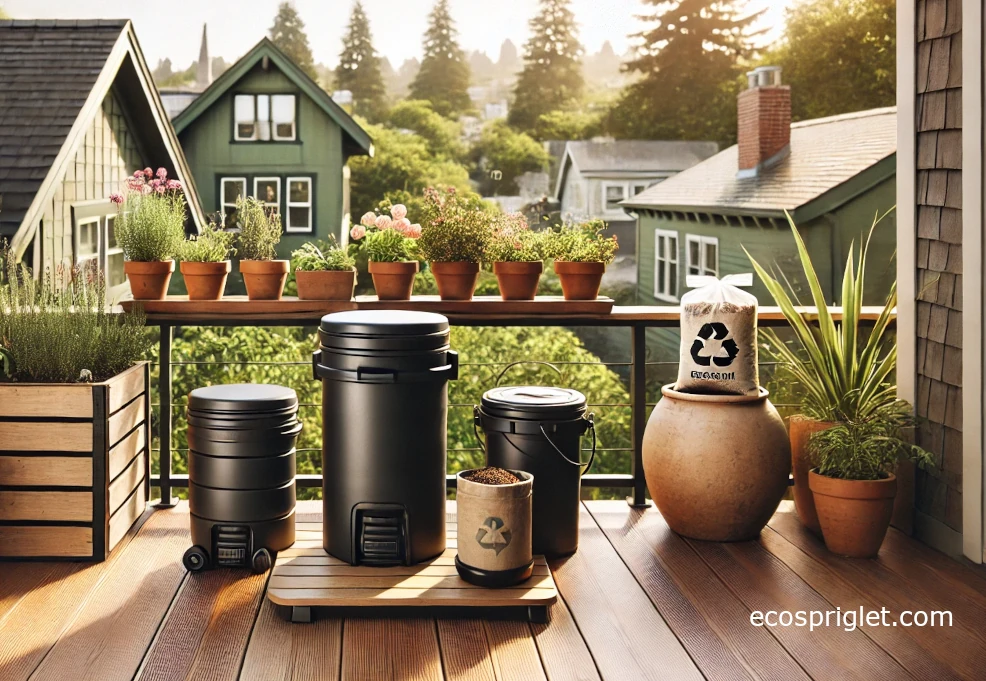
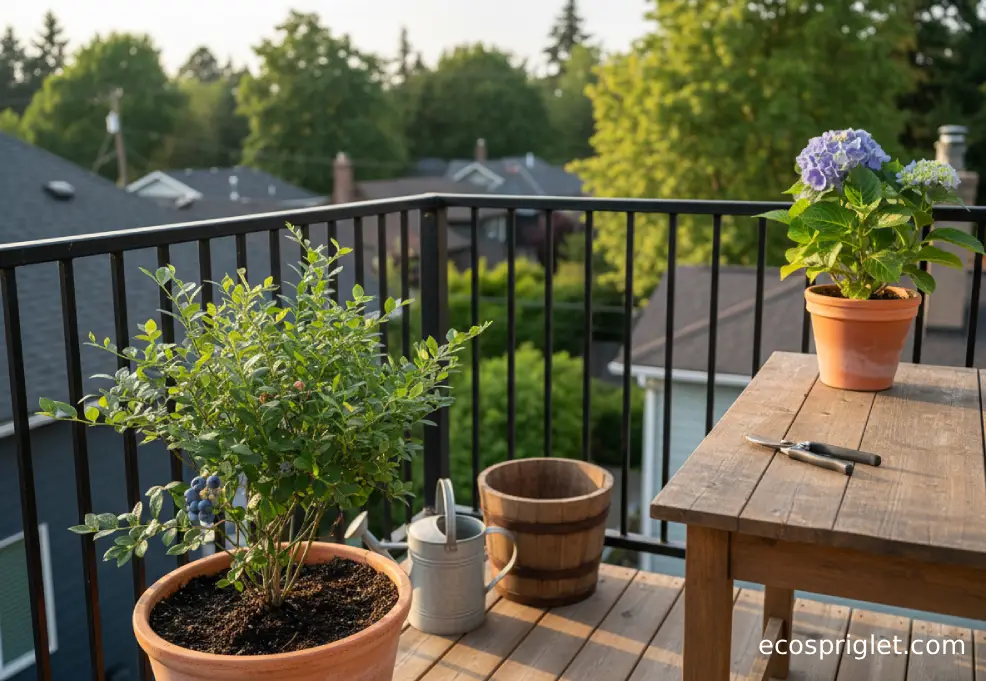
Water choice matters too. In hard-water areas, the RHS advises using rainwater for ericaceous plants whenever possible, because repeated watering with alkaline hard tap water can gradually push the mix the wrong direction and contribute to yellowing. On a balcony, even a small rain barrel or a couple of covered storage cans can make a real difference if you are growing blueberries, camellias, or heathers in pots.
Here’s the rhythm I like for patio pots:
- Start with acidic compost instead of generic multi-purpose mix.
- Choose a pot with real root room, especially for blueberries.
- Top-dress lightly with fresh acidic mix when the pot settles.
- Retest pH after seasonal refreshes rather than assuming the bag fixed everything forever.
I remember repotting a blueberry into a larger terracotta container and being surprised by how much easier everything got after that one change. The plant dried out less erratically, held color better, and stopped acting like every hot afternoon was a personal insult. Sometimes the answer is not more product. It is just a better root zone.
Common Mistakes to Avoid When You Lower Soil pH
Most pH problems come from impatience, not from lack of effort. The biggest mistake is trying to force a fast drop in pH with repeated heavy applications. The second is treating every yellow leaf as proof the soil is not acidic enough, when watering stress, cramped roots, or tired potting mix may be the real issue. And the third is using the wrong soil in containers. University and RHS guidance consistently separate topsoil or garden soil from container media because pots need lighter, purpose-made mix, not dense soil that compacts around roots.
- Do not add sulfur blindly without a pH reading.
- Do not expect sulfur to work in a few days.
- Do not use ordinary topsoil in patio containers for acid-loving plants.
- Do not rely on coffee grounds as your main soil acidifier.
- Do not keep watering acid-lovers with hard water for months and then blame the compost.
I learned another one the hard way with hydrangeas: chasing flower color too aggressively can stress the plant more than it helps the blooms. A healthy hydrangea with decent color is better than a struggling one with perfectly theoretical pH.
Sources: University of Minnesota Extension, University of New Hampshire Extension, Royal Horticultural Society.
Quick Answers About Topsoil, Potting Soil, and How Much Soil You Need
What Is Topsoil?
Topsoil is the upper layer of natural soil, usually sold for beds, lawns, and larger landscape jobs. It can be useful in the right setting, but it is usually not the best choice for containers because pots need a lighter, better-aerated mix that drains well. Raised-bed and field guidance also treats topsoil and potting mixes differently for good reason.
Why Is Soil Important?
Soil or potting mix is the plant’s pantry, anchor, air supply, and water reservoir all at once. pH matters because it changes nutrient availability, which is why the same fertilizer can give very different results in different soils.
Does Potting Soil Go Bad?
Bagged potting mix does not suddenly become useless on a calendar date, but old or reused mix can lose structure, drain poorly, and carry disease issues if you keep recycling it without refreshing. For high-value container crops and sensitive plants, extension guidance commonly favors fresh, clean media over endlessly reused mix.
How Much Soil Do I Need?
For balcony gardening, it helps to think in pot size instead of abstract bag math. A single medium herb pot might take only a small amount of mix, while a blueberry container needs a much larger volume and performs better when it is not cramped. When in doubt, buy a little more than your estimate because topping up after watering-in is almost always necessary. RHS guidance for blueberries in pots points toward a final container around 16 to 20 inches across, which is a good reminder that acid-loving shrubs need more root room than they first appear to.
| Container | Good Use | Mix Choice |
|---|---|---|
| Small pot | Herbs, seedlings, temporary starts | Standard potting mix |
| Medium pot | Single flowering plant or compact edible | Match the mix to the crop |
| Large shrub pot | Blueberries, camellias, long-term acid-lovers | Peat-free ericaceous compost |
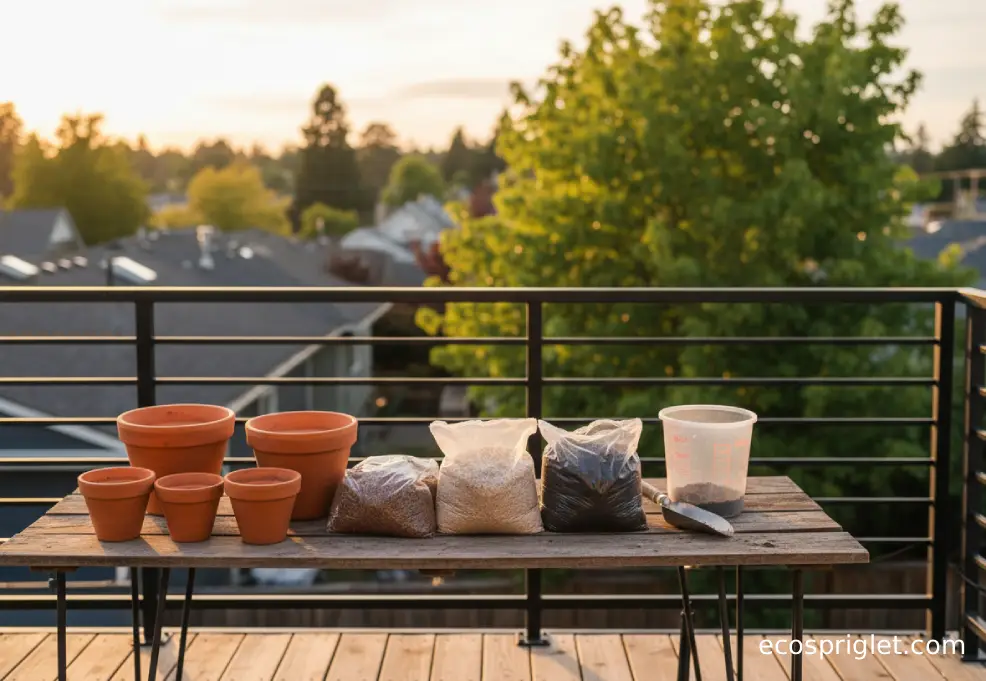
Sources: University of Minnesota Extension, University of New Hampshire Extension, Royal Horticultural Society.
A Simple Plan for Making Your Soil More Acidic Without Overcomplicating It
If you want the cleanest beginner-friendly version of this whole guide, here it is: test first, match the pH target to the plant, use elemental sulfur for gradual correction, and start container acid-lovers in an acidic potting mix instead of trying to rescue them later. That single sequence solves most problems before they start. It also keeps you from wasting money on products that sound helpful but do not move the needle much in real life.
For apartment gardeners, containers are often the smartest route because they let you control the root zone more precisely. A blueberry in a roomy pot of ericaceous compost, watered with rainwater when possible, is simply easier to manage than a blueberry forced into stubborn alkaline ground. And if you are working with hydrangeas, steady adjustments are kinder than dramatic ones. I still like that approach because it leaves plenty of room to learn as you go instead of trying to get everything perfect on day one.