If you’ve ever asked “How often should I water my house plants?” here’s the honest answer: it depends—on your light, pot size, soil mix, indoor climate, and the plant itself. The good news is you don’t need a complicated chart to get this right. I’m Daniel from Portland, and after a decade of balcony and indoor gardening, I’ve learned a rhythm that works in small spaces and busy lives: check your soil, water deeply when it’s truly needed, and let drainage do its job.
In this guide, I’ll show you quick moisture checks that never fail, realistic ranges by plant type (from cacti to herbs), how to adjust for winter, and a few setup tweaks that make watering less stressful. By the end, you’ll have a weekly routine you can actually stick to—without drowning ferns or starving succulents.
The Short Answer (and Why It Varies)
For many common foliage houseplants, water when the top 1–2 inches of potting mix feel dry, then water thoroughly until excess runs from the drainage holes. Let the pot drain fully, and do not leave it sitting in water. Missouri Extension gives the same basic principle: wet the entire soil mass, allow water to come through the drainage hole, and discard standing water from the saucer afterward.
That does not mean every plant wants the same dry-down. Cacti and succulents should dry more completely. Ferns and some tropical foliage plants prefer more even moisture. African violets need moisture without a soggy crown. But for a beginner, the top 1–2 inch check is a much safer starting point than a rigid weekly schedule.
- Check first: use your finger, a wooden skewer, or pot weight.
- Water thoroughly: light dribbles often leave the center of the root ball dry.
- Drain completely: empty saucers within about 30–60 minutes.
- Adjust by season: most plants need less water in winter and more in bright, warm months.
My beginner mistake was watering every Saturday. It felt organized. It also rotted a fern because the pot was still damp inside. Once I switched from calendar watering to soil checking, my indoor plants became much easier to read.
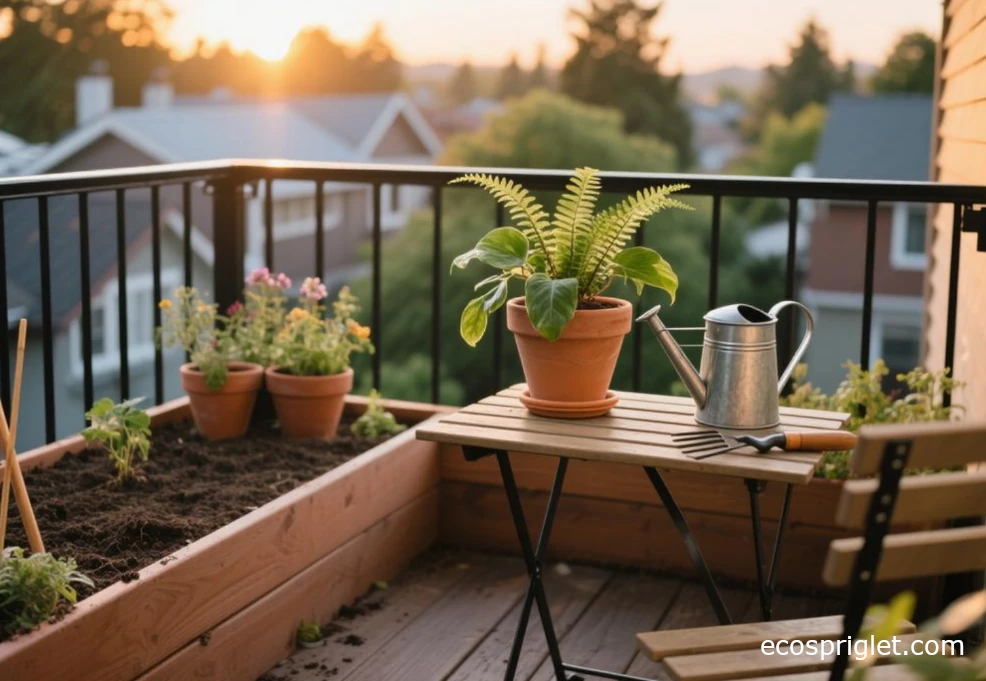
The 5 Big Factors That Set Your Watering Schedule
Before we dive into techniques, it helps to understand what actually sets your cadence:
- Light: Brighter light = faster drying and more frequent watering.
- Pot & Plant Size: Small pots and big, leafy plants dry fast; larger containers or smaller plants dry slower.
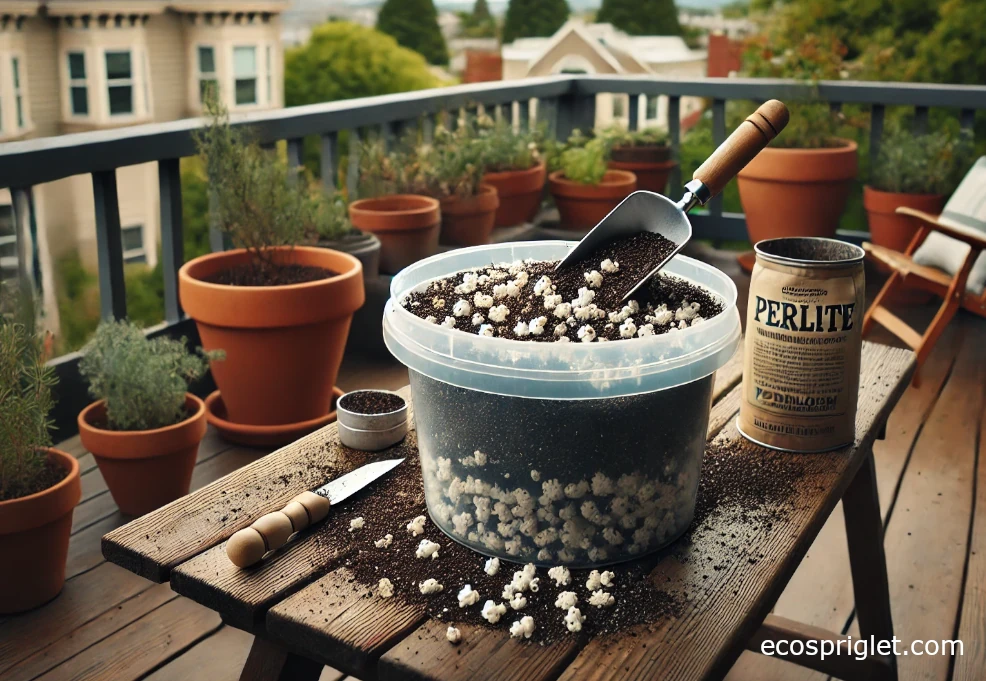
- Potting Mix: Airy mixes with perlite drain faster; peat-heavy mixes hold longer.
- Temperature & Humidity: Warm, dry air speeds evaporation; cooler, humid air slows it.
- Plant Type: Cacti/succulents prefer longer dry-downs; tropical foliage likes evenly moist (never soggy).
Daniel’s note: I tag each pot with three cues—light level, pot size, and mix. My monstera in an airy mix near a south window drinks twice as often as the one in a dim den.
- Two quick tips: After repotting up a size, expect longer intervals while roots colonize new mix. If you chronically overwater, add perlite to increase aeration (often ~20–30% for foliage mixes).
- Common mistake: Matching a cactus and a fern on the same schedule—instant trouble.
How to Tell When It’s Time: Simple Moisture Checks
Skip guesswork—use one (or more) of these:
- Finger test: Press 1–2″ into the mix; if dry, water thoroughly.
- Wooden skewer/chopstick: Insert to root depth, wait 60 seconds, pull and read—clean/dry = water; dark/moist = wait (great for dense mixes).
- Pot weight: Lift before/after watering to learn “heavy vs. light.”
- Moisture meters: Handy, but calibrate against the skewer test and your plant’s behavior.
Daniel’s note: My calathea looked dry on top but stayed wet inside. The skewer test exposed it—spacing out waterings solved the droop.
- Two quick tips: Water to runoff, then empty saucers promptly—ideally within 30–60 minutes. If the core stays dry after “sips,” do a deep soak to re-wet the root ball. If you bottom-water regularly, alternate with an occasional thorough top-watering to flush accumulated salts.
- Common mistake: Trusting only the surface; many mixes crust on top but stay wet below—test deeper.
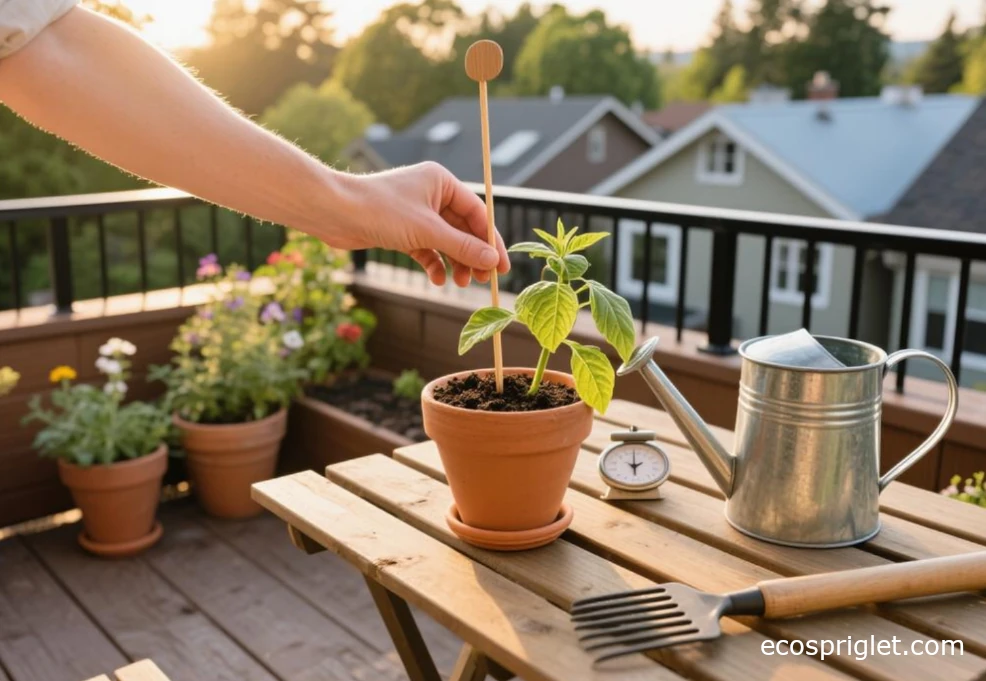
Watering by Plant Type (Cacti, Succulents, Foliage, Flowering, Herbs)
Plant type matters more than most beginners expect. A cactus, a fern, and a basil plant may all sit on the same shelf, but they do not want the same watering routine.
Cacti and Succulents
Let the mix dry completely, or nearly completely, before watering again. In bright, warm conditions, that may be around every 10–14 days for some plants. In winter or low light, it can stretch much longer. University of Maryland Extension notes that cacti and succulents should dry between waterings and need less frequent water in winter.
Foliage Tropicals
Plants like pothos, monstera, philodendron, and many peperomias usually do well when the top 1–2 inches dry before watering. Aim for evenly moist over time, not constantly wet. Many end up around every 5–10 days in bright summer conditions and closer to 10–21 days in winter, but your soil check matters more than the number.
Flowering Houseplants
African violets prefer moist but not soggy mix. University of Minnesota Extension warns that root rot from overwatering is one of the most common reasons African violets die, and it recommends keeping water off the leaves and crown when top-watering. Bottom watering can help, but the pot should still drain well and should not sit in water indefinitely.
Indoor Herbs
Basil, mint, parsley, and cilantro usually need more frequent checks than slow-growing foliage plants, especially under grow lights. Basil dislikes cold, wet soil, but it also wilts quickly if the pot dries too far. For a broader herb-care routine, see the Indoor Herb Garden guide.
Grouping plants by thirst makes the routine easier. Keep succulents together, thirsty herbs together, and moisture-loving foliage together. That way, you are not trying to remember ten different schedules every time you pick up the watering can.
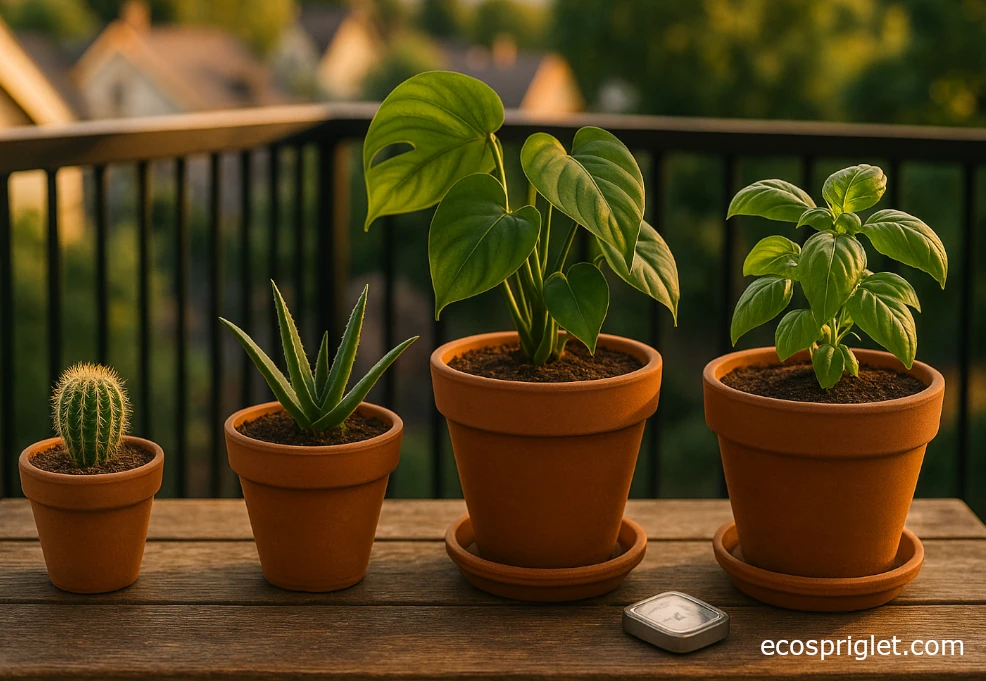
Spotlight Guides: Aloe, Lucky Bamboo, and Cactus
A few popular indoor plants break the standard houseplant pattern enough that they deserve their own notes.
Aloe Vera in Soil
Aloe wants bright light, a fast-draining succulent mix, and a pot with drainage holes. Water only after the mix has dried well down into the pot. In winter, reduce watering because growth slows. If aloe leaves turn mushy, translucent, or collapse at the base, suspect overwatering or poor drainage before you add more water.
Lucky Bamboo
Lucky bamboo is not a true bamboo; it is a Dracaena. It can grow in water or potting mix. In water, keep the roots submerged, change the water about weekly, and rinse the container and pebbles when algae builds up. If your tap water causes yellowing tips, try distilled, rain, or filtered water. In potting mix, keep it lightly moist but not soggy.
Indoor Cactus
Cacti need bright light and a free-draining cactus mix. During active growth, water only after the mix dries thoroughly. During short winter days, stretch the interval significantly. A terracotta pot can help the root zone dry faster if you tend to overwater.
Air Plants
Air plants, or Tillandsia, do not grow in soil. University of Illinois Extension recommends bright indirect light, good air circulation, and allowing plants to dry for several hours after watering. They can be misted, rinsed, or soaked depending on your conditions, but the key is drying well afterward so water does not stay trapped in the leaf bases.
My lucky bamboo improved when I stopped topping off old water and started changing it properly. Small routine, big difference.
Winter vs. Summer: Adjusting Without Stress
Indoor plants usually drink less in winter. Days are shorter, light is weaker, and many plants slow down. University of Maryland Extension notes that overwatering is one of the most common winter houseplant problems, because people keep using the same schedule even when plants are growing more slowly.
In summer, brighter light and warmer air often shorten the watering interval. A pothos that needs water every 6 days in July may need it every 12–18 days in January. Cacti that want occasional summer watering may go several weeks in winter. The exact number depends on your room, pot, and mix.
- Summer: check more often, especially near sunny windows or on warm balconies.
- Winter: slow down and let more of the mix dry before watering most plants.
- Heated rooms: the surface may dry quickly while the root zone stays damp, so use a skewer.
- Dim corners: move plants closer to light rather than compensating with more water.
Daniel’s rhythm is simple: in June through August, I check many foliage plants weekly. In December and January, I still check weekly, but I water far fewer of them. The habit stays consistent; the decision changes.
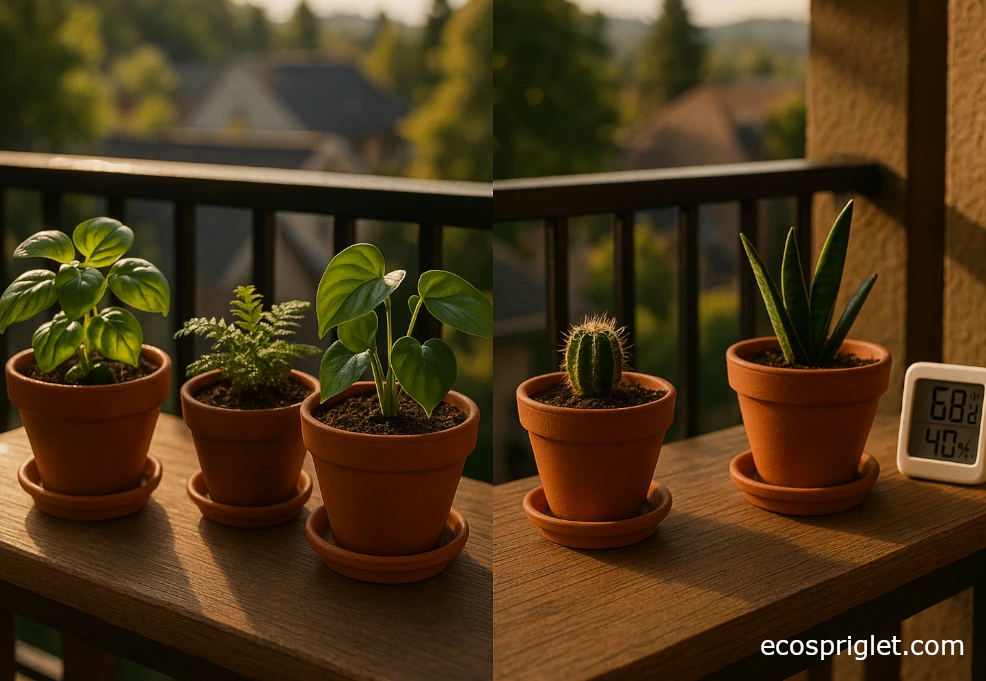
Drainage, Pots, and Soil Mix: Your Hidden Watering Controls
Good watering starts before you pour the water. A pot with no drainage hole turns every watering into a gamble. A dense mix holds moisture too long. A root-bound plant may dry so fast that you feel like you are always chasing it.
Use pots with drainage holes. Decorative cachepots are fine, but keep the plant in a nursery pot inside them and remove it to water, or empty the cachepot after watering. Missouri Extension specifically warns that pot coverings and deep planters can hold standing water even when the inner pot drains.
For most foliage plants, a high-quality soilless potting mix with added perlite gives a better air-water balance than heavy garden soil. Succulents and cacti need an even faster-draining mix. If your mix has been sitting open since last season, check whether it still smells fresh, drains well, and has not become compacted. I covered that in Does Potting Soil Go Bad?.
Skip the gravel layer at the bottom. Washington State University Extension horticulturist Linda Chalker-Scott explains that water does not move easily from a fine-textured layer into a coarse layer, and coarse drainage materials can interfere with normal water movement inside the pot. Fill the container with one consistent, well-aerated mix instead.
If you are reusing soil after pests, mold, or root rot, do not simply water differently and hope for the best. Start clean where needed; this guide can help: How to Sanitize Soil at Home.
Bottom Watering vs. Top Watering
Bottom watering is useful, especially for plants that dislike water on their leaves or crowns. African violets are the classic example. Set the pot in about 1 inch of room-temperature water, wait until the surface feels moist, then remove the pot and let it drain.
Top watering is still important because it helps rinse fertilizer salts through the potting mix. Missouri Extension notes that salts can form a white accumulation on the soil surface if plants are watered regularly from the bottom, and occasional top watering helps wash those salts out.
I like a mixed approach. Bottom water when a plant needs gentle, even moisture. Top water when I want to flush the mix, reset salts, or make sure the full root ball has been soaked. Either way, the final step is the same: drain fully and do not let the pot sit in wastewater.
Common Watering Mistakes to Avoid
Most houseplant watering problems come from habits that seem reasonable at first. I’ve made nearly all of these at some point, usually while trying to be extra responsible.
- Watering every Saturday: check moisture first; the calendar is only a reminder.
- Giving tiny sips: shallow watering can leave the center of the root ball dry.
- Letting pots sit in saucers: standing water reduces oxygen around roots and encourages rot.
- Treating succulents like pothos: soft, translucent leaves often mean too much water, not too little.
- Trusting only the surface: test deeper with a skewer if the pot is large or the mix is dense.
- Adding gravel for drainage: use drainage holes and a good mix instead.
The biggest shift is mental: watering is not a reward you give plants. It is a response to what the root zone needs.
Quick Weekly Watering Routine
Here is the routine I’d give a busy apartment gardener who wants fewer dead plants and less guesswork.
- Once a week: walk your plants and check soil moisture, pot weight, and leaf posture.
- Water only the ready ones: do not water a plant just because you are already holding the can.
- Water thoroughly: soak the full root ball until water drains out.
- Empty saucers: check again after 30–60 minutes.
- Note patterns: if one pot is always wet, improve light, drainage, or mix; if one is always dry, consider a larger pot.
Once a month, give regularly bottom-watered or fertilized plants a thorough top watering to help flush salts. Let the water run through, then drain fully before returning the pot to its usual spot.
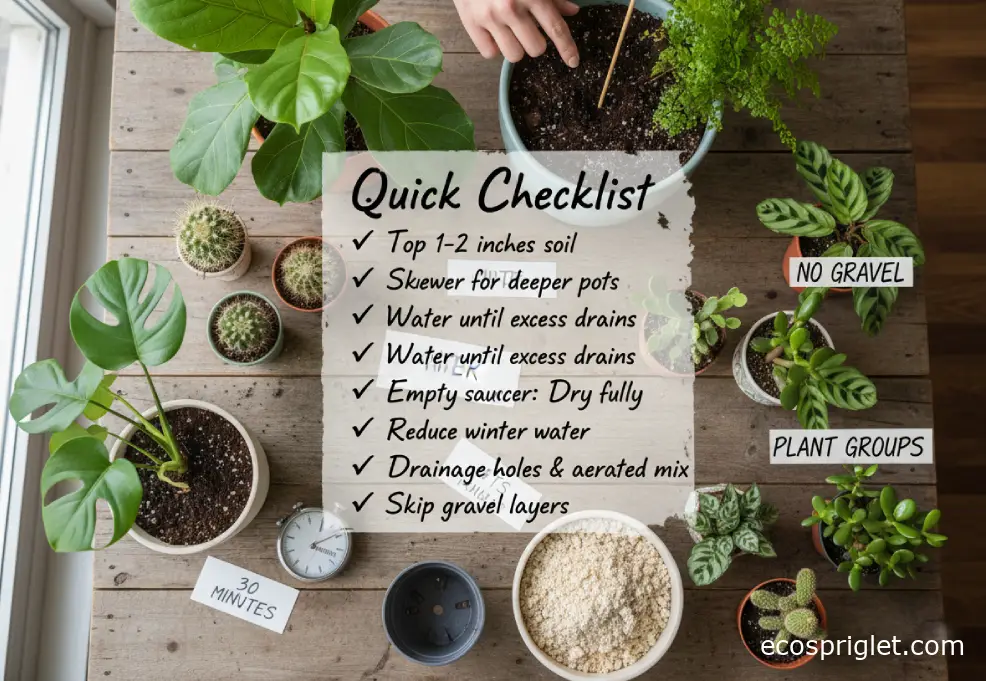
Quick Checklist
- Use the top 1–2 inches of soil as your first check for foliage plants.
- Use a skewer for deeper pots or dense mixes.
- Water thoroughly until excess drains from the bottom.
- Empty saucers within 30–60 minutes.
- Let cacti and succulents dry much more fully than tropical foliage plants.
- Reduce watering in winter, but keep checking moisture.
- Use drainage holes and a well-aerated potting mix.
- Skip gravel layers inside pots.
- Group plants by thirst to make weekly care easier.
Conclusion: Build a Watering Habit, Not a Watering Calendar
The best houseplant watering schedule is not a fixed date. It is a simple habit built on observation. Check the soil, confirm moisture deeper down when needed, water thoroughly when the plant is ready, and let the pot drain completely. That one routine solves more problems than any printable chart.
Once you understand the big drivers—light, pot size, mix, temperature, humidity, and plant type—you can adjust without stress. Your cactus can stay dry longer. Your basil can get checked more often. Your African violet can be watered gently without soaking the crown. Your winter plants can slow down without being pushed into rot.
Start with a weekly check, not a weekly watering. Over time, you’ll learn which pots dry fast, which rooms stay cool, and which plants need a little more attention. That is when indoor gardening starts to feel calmer: fewer soggy pots, fewer crispy surprises, and steadier growth from plants that are actually getting water when they need it.