If cilantro has ever turned into a sad, slimy mess in the back of your fridge, you’re not alone. It’s one of those herbs that can make tacos, noodles, eggs, and soups taste bright and “finished”… and then it wilts like it’s offended by your crisper drawer.
This guide is my grab-and-go routine for how to store cilantro so it stays perky longer—whether it’s a grocery-store bunch or a handful you just snipped from a windowsill pot. We’ll cover the two best fridge methods (the “bouquet jar” and the paper towel wrap), what to do if you need to store chopped cilantro, and the freezer options that actually taste good later. I’ll also show you quick troubleshooting for limp leaves and that funky odor that means it’s time to let go.
I’m writing this from an apartment-gardener’s angle—small fridge, busy week, and a stubborn desire to not waste the herbs I grow. Let’s keep your cilantro fresh and ready when dinner needs help.
Why Cilantro Goes Limp So Fast
Cilantro is tender and thirsty. The leaves have lots of surface area, and the stems keep “breathing” after harvest, losing moisture every hour it sits warm or trapped in the wrong kind of humidity. That’s why a bunch can look fine at 5 p.m. and be droopy by the next morning.
The goal is simple: keep the stems hydrated, keep the leaves from sitting in puddles, and keep everything cold enough to slow spoilage. Utah State University Extension flat-out calls cilantro “very perishable” and recommends refrigerator storage for best results.
One more real-life factor: many apartment fridges run warmer than we think. Food-safety guidance from the CDC recommends keeping your refrigerator at 40°F or below (and your freezer at 0°F or below). That temperature line matters because warmer fridges speed up both wilting and spoilage.
If you’re growing cilantro on a balcony or windowsill, this is the same logic as keeping a potted herb happy: steady moisture, not soggy leaves, and no heat stress.
Do This When You Bring Cilantro Home
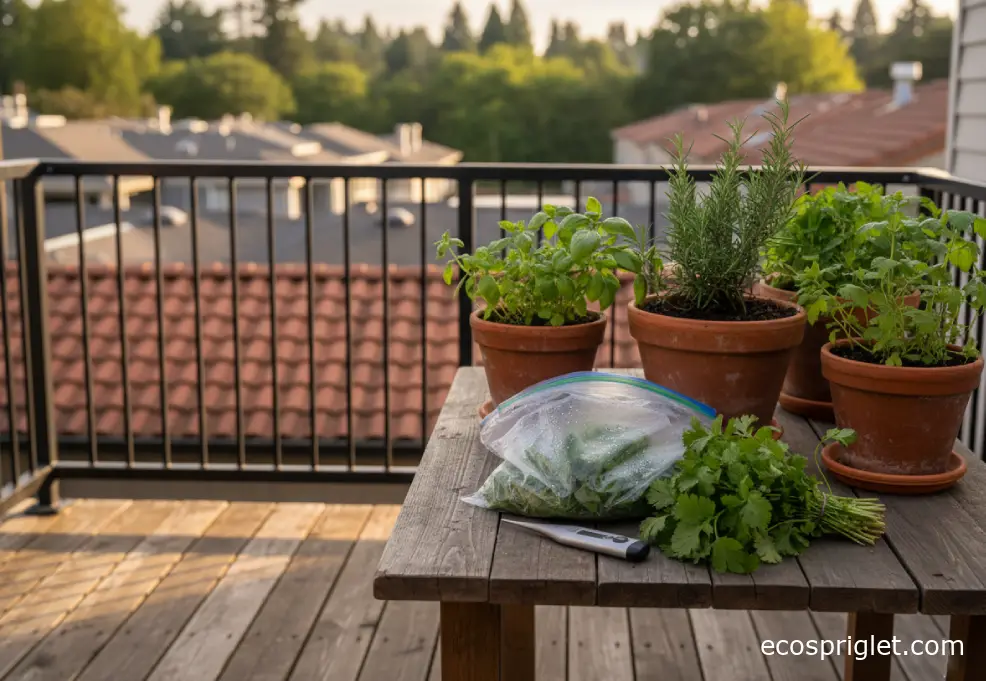
I treat cilantro like cut flowers: a tiny bit of prep up front saves you from the “why is everything wet and sad?” surprise later. I remember when I first tried this, I left cilantro in the store’s plastic sleeve, shoved it into the crisper, and two days later it smelled like a swamp. The fix was less complicated than I expected—mostly about airflow and moisture control.
- Pick through fast: pull out any yellow, blackened, or crushed leaves so they don’t drag the whole bunch down.
- Remove tight bands or twist ties that pinch stems (bruising speeds decline).
- Trim the stem ends about 1/4 inch to expose fresh tissue for drinking water (especially if you’ll use the jar method).
- Decide if you’re washing now or later. The FDA recommends washing produce thoroughly under running water before preparing and/or eating.
If you prefer washing right away (I often do when I’ve harvested from my own pots), University of Maine Cooperative Extension suggests washing herbs, shaking them dry (a salad spinner helps), and patting off extra water. Then store them correctly so dampness doesn’t turn into slime.

Best Fridge Method: Bouquet Jar Plus a Loose Bag
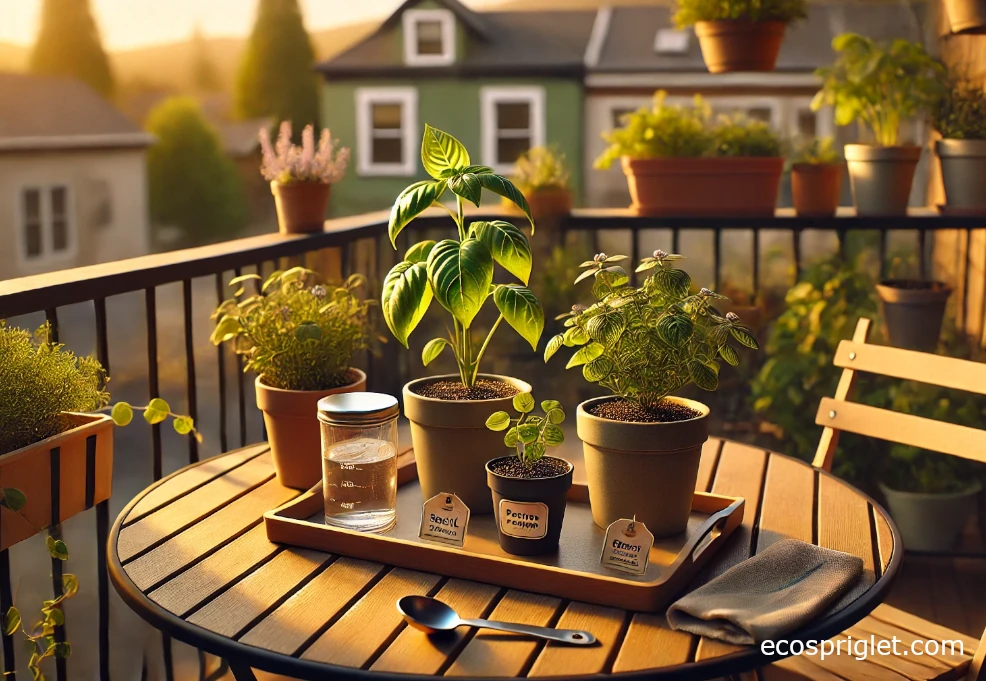
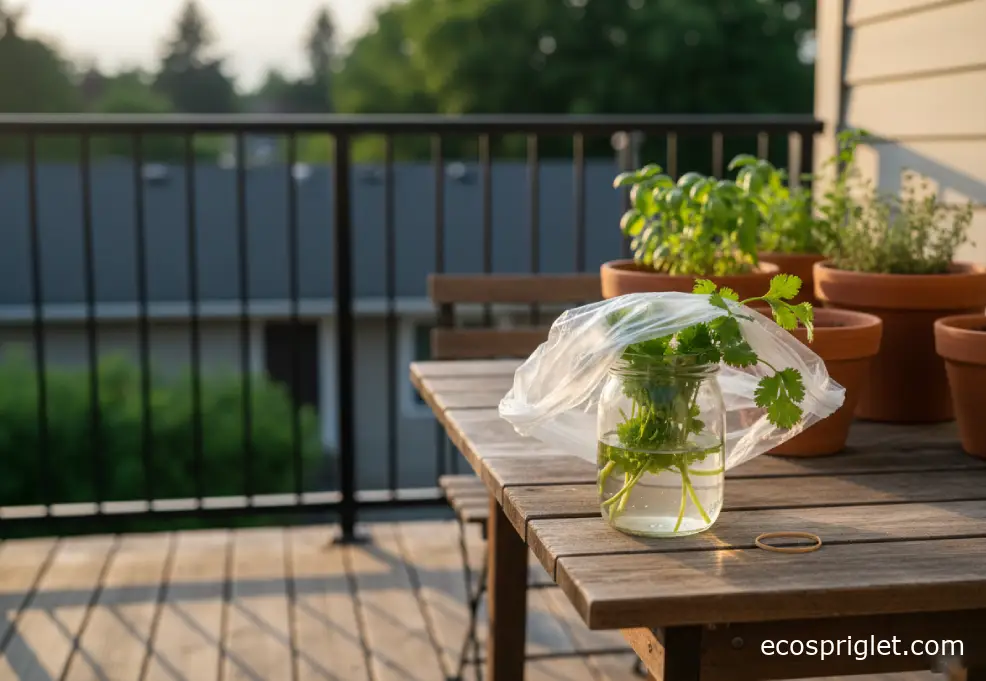
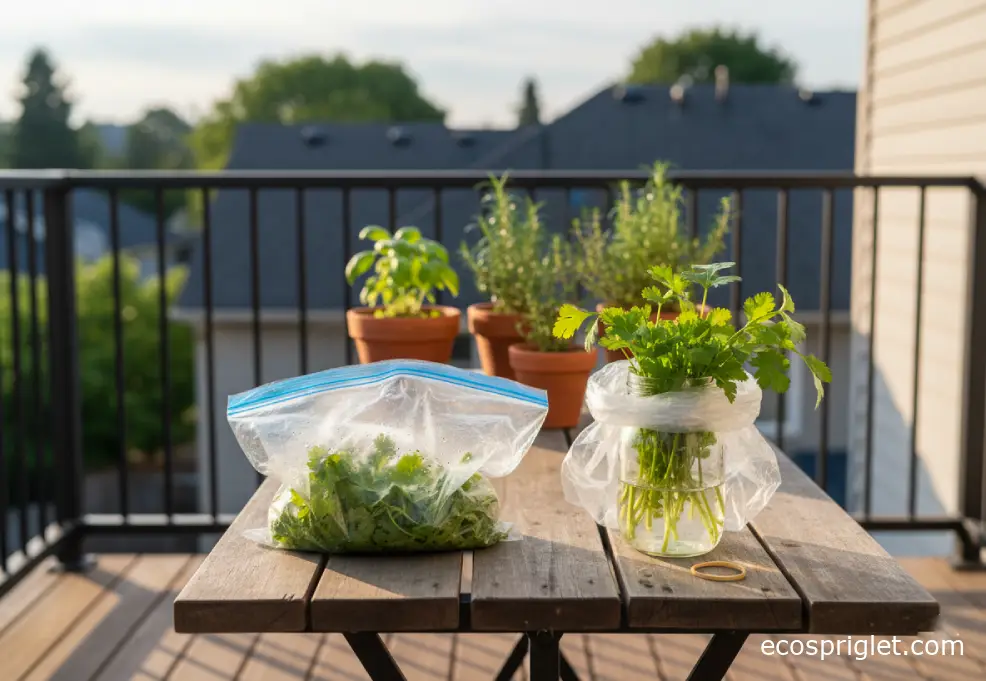
If you want the highest “grab a handful and it still looks alive” success rate, this is it. Utah State University Extension recommends placing the bunch in a container of water like a bouquet, covering the top loosely with a plastic bag, and refrigerating up to 1 week—changing the water every two days.
University of Maine Cooperative Extension describes a very similar approach for cut herbs: store them in a jar or glass with about 1 inch of water, cover with a plastic bag, refrigerate, and change the water daily; they note herbs can last 5 to 7 days this way.
My tiny apartment tweaks:
- Keep leaves above the water line. Only stems go in the water—wet leaves invite rot.
- Don’t seal the bag tight. “Loose tent” beats “airtight sauna.”
- If the stem ends look dark or slippery, trim another 1/4 inch and refresh the water.
| Method | Best For | Typical Freshness | Maintenance |
|---|---|---|---|
| Jar + loose bag | Big bunches, frequent use | About 5–7 days (often up to 1 week) | Change water daily or every 2 days |
| Paper towel wrap | Small fridges, crisper storage | Several days | Replace towel if it gets soggy |
| Freezer cubes | Cooking, soups, sauces | Best quality 3–6 months | Label and date |
One last non-negotiable: keep your fridge cold. CDC guidance is 40°F or below, which helps cilantro (and everything else) last longer.
Paper Towel Method for Small Fridges and Crispers
This is the method I use when my fridge is packed (hello, leftover containers) and I don’t want a jar tipping over. The trick is getting the towel moisture “just right.” Too dry and the cilantro dehydrates. Too wet and you get slime.
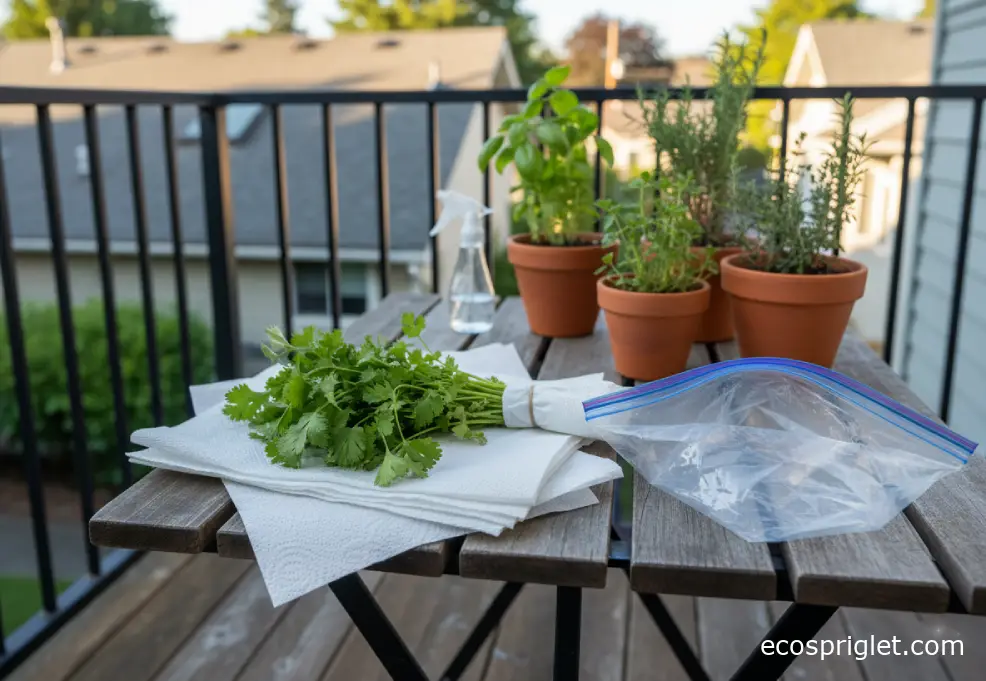
Utah State University Extension suggests covering cilantro loosely with a plastic bag and using two to three layers of paper towels when storing in the refrigerator for several days.
If you like a simple step sequence, Canada’s Food Guide describes laying herbs on a damp paper towel, rolling them up, placing them in a bag, and keeping them in the crisper drawer (they note up to about 5 days).
My practical “apartment fridge” cues:
- Dampen the towel, then wring it out so it’s barely moist—no dripping.
- Leave the bag slightly open or use a perforated bag for a little airflow.
- Check on day 2: if the towel feels wet, swap it for a fresh one; if it’s bone-dry, lightly re-dampen.
This method isn’t as long-lasting as the jar for me, but it’s fast, tidy, and great for weeknights.
How to Store Cut or Chopped Cilantro Without It Turning Mushy
If you chop cilantro ahead of time, you’re basically speeding up its clock. More cut edges mean faster moisture loss and faster browning. When I’m meal-prepping, I try to chop only what I’ll use in the next day or two, and keep the rest as whole stems and leaves in the jar method.
Here’s what works when you truly need to store chopped cilantro:
- Dry it thoroughly first. University of Maine Cooperative Extension notes washing herbs and shaking them dry (or using a salad spinner), then patting off extra water. That “extra water” is what turns chopped herbs into mush.
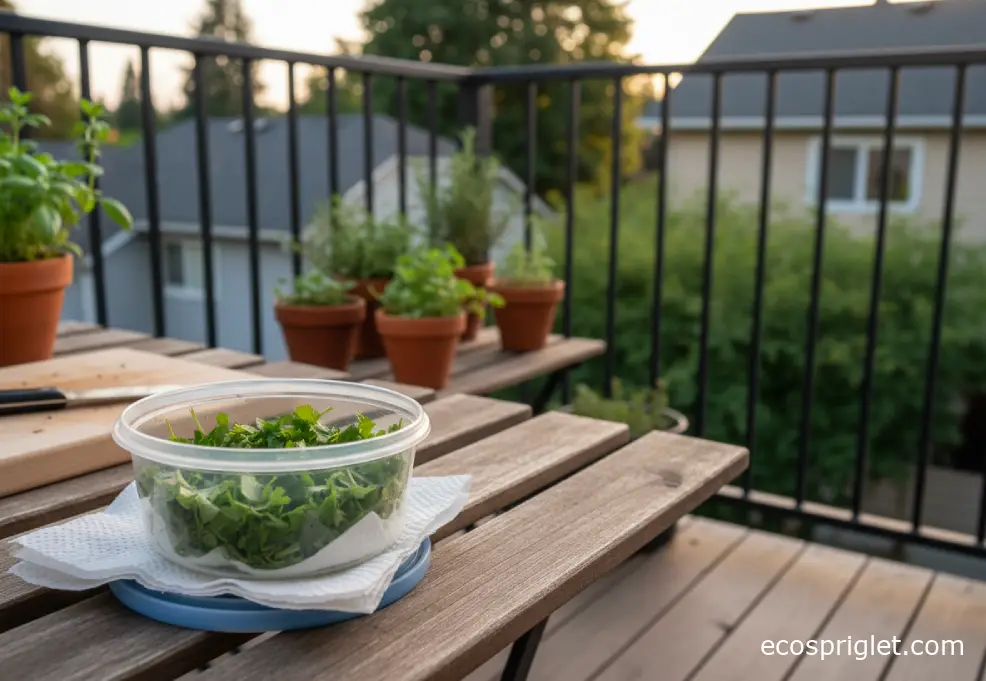
- Line a small container with a dry paper towel, add the chopped cilantro, then add another small piece of towel on top before closing the lid.
- Store it toward the middle/back of the fridge where temps stay steady (not in the warm door).
A common beginner mistake is packing chopped cilantro into a tiny airtight container while it’s still damp. If you open it and see condensation on the lid, swap the towel and leave the lid cracked for 10–15 minutes to vent, then close again.
Freezing Cilantro for Soups, Salsas, and Weeknight Cooking
Freezing is how I “save” cilantro that’s still green but won’t make it to Friday. Just know what you’re freezing it for: frozen cilantro is usually better in cooked dishes than as a fresh garnish. Ohio State University Extension explains that herbs have textural changes after freezing and thawing and are often better suited for cooked uses; they also recommend using frozen herbs within 3–6 months for best quality (even though they may be safe longer).
Two reliable options:
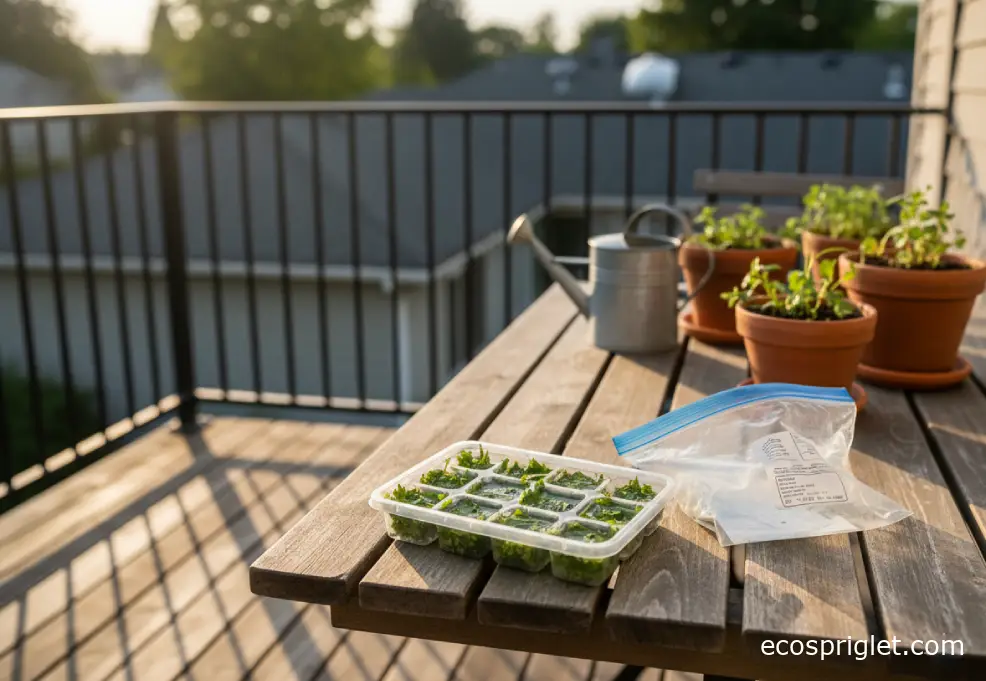
- Tray-freeze (less mess): spread whole leaves or rough-chopped cilantro in a single layer and freeze quickly (about 2 hours), then move to a freezer bag with the air pressed out.
- Flavor cubes: chop cilantro, press into an ice cube tray, cover with water (or oil), freeze, then transfer cubes to a labeled bag. Clemson Extension specifically describes chopping herbs and freezing them in water-filled ice cube trays.
Keep your freezer at 0°F for proper storage, and label the bag with the date so you actually use it.
Reviving Wilted Cilantro and Troubleshooting Off Smells
If cilantro is limp but not slimy, you can sometimes coax it back for same-day cooking. I’ll dunk the leaves and stems in a bowl of very cold water for 5–10 minutes, then spin or pat dry before storing again. It’s not magic, but it can buy you a meal.
What you don’t want to “revive” is cilantro that’s already spoiling:
- Slippery stems, slimy leaves, or a strong sour/musty odor: toss it.
- Lots of blackened leaves: pick what’s good immediately and use it in a cooked dish, or freeze it the same day.
Food-safety guidance from the FDA emphasizes keeping the refrigerator at or below 40°F and being willing to discard food that looks or smells suspicious.
Common Mistakes to Avoid When You Store Fresh Cilantro
- Leaving cilantro in the store sleeve and tying it shut tight (it traps moisture and bruises leaves).
- Washing and then storing it wet. If you wash ahead, dry it well—spin, shake, and pat dry.
- Letting leaves sit in water (stems drink; leaves rot).
- Forgetting maintenance: change jar water daily or every two days, and replace paper towels if they get soggy.
- Storing it in a warm fridge. Aim for 40°F or below.
Daniel’s note: the moment cilantro starts looking tired, I stop pretending it’ll be a garnish later and either cook with it that night or freeze it. That one habit has probably saved me the most money over the years.
Small-Batch Ideas So Nothing Gets Tossed
When cilantro is still green but starting to get floppy, I shift from “pretty” uses to “flavor” uses. A few easy saves:
- Stir it into rice, beans, or scrambled eggs at the very end so it keeps some brightness (University of Maine Cooperative Extension notes delicate herbs like cilantro are often added in the last minute or two).
- Blend a quick cilantro sauce (cilantro + oil + lime + salt) and use it within a few days, kept cold at 40°F or below.
- Freeze “flavor cubes” for soups and sauces (it’s my favorite lazy-night trick).
If you’re harvesting cilantro from a pot, try snipping what you’ll use in the next 24–48 hours and leaving the rest growing. It’s the easiest storage method there is.
The best way to keep cilantro fresh isn’t a secret gadget—it’s matching the herb’s needs: cool temps, hydrated stems, and leaves that aren’t stewing in moisture. If you remember one thing, make it the bouquet-jar method: about 1 inch of water, a loose bag “tent,” and regular water changes. That combo is backed by Extension guidance and is the closest thing I’ve found to “set it and forget it” cilantro storage.
For smaller fridges, the paper towel wrap is a solid backup, and freezing is the best rescue plan when you can tell a bunch won’t survive your week. Keep your fridge at 40°F or below, wash produce under running water before eating, and trust your senses—if cilantro turns slimy or smells off, it’s done.
If you want an even easier life, grow a little cilantro in a pot and harvest what you need—then you’re “storing” it on a sunny windowsill instead of in the crisper.