A rubber plant has a way of making even a modest apartment feel more inviting. Its broad, glossy leaves bring a wonderful splash of green to a room, while its upright growth gives you the presence of a small indoor tree without needing a huge floor area.
Known botanically as Ficus elastica, the rubber tree is one of my favorite choices for people who want a substantial houseplant but don’t want to spend every afternoon fussing over it. Give it a bright spot, a pot that drains properly, and a little attention to soil moisture, and it can remain attractive for years.
That doesn’t mean it’s completely trouble-free. Yellowing leaves, sudden leaf drop, and curling foliage can be frustrating, especially when you’re not sure whether the problem is water, light, or temperature.
The good news is that most rubber plant care comes down to recognizing a few simple signals. I’ll walk you through choosing the right location, watering without drowning the roots, managing growth in a small apartment, and dealing with the common problems before they get worse.
Get to Know Your Rubber Plant Before Choosing a Spot
The rubber plant belongs to the fig family, Moraceae, and is native to tropical parts of Asia. You may also see it sold as the India-rubber tree, rubber fig, or simply rubber tree.
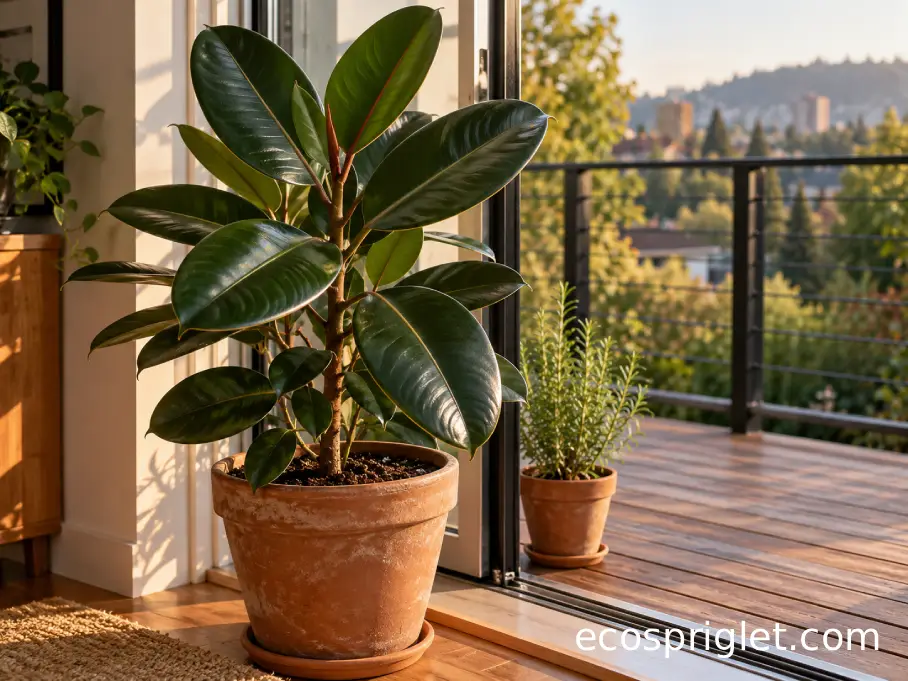
Its most recognizable feature is its thick, oval foliage. Healthy leaves feel firm and leathery, with a slightly waxy surface that naturally catches the light. New growth often emerges wrapped in a reddish sheath, which eventually dries and falls away.
Despite the name, this isn’t the commercially important rubber-producing tree Hevea brasiliensis. Ficus elastica produces milky latex, but today it’s grown mainly for its ornamental foliage.
According to NC State Extension, indoor specimens are commonly maintained at roughly 2–10 feet tall through pruning and container management. That gives apartment gardeners plenty of flexibility.
Which Variety Should You Choose?
Different varieties offer slightly different colors and growing habits. Four particularly attractive choices include:
- Robusta: Large, glossy, deep green leaves and a bold upright appearance. A dependable choice for beginners.
- Burgundy: Very dark green foliage with reddish or burgundy tones that look especially striking in bright rooms.
- Tineke: Cream-and-green variegated leaves, sometimes with subtle pinkish new growth. Best suited to brighter indoor locations.
- Decora: Broad, thick green leaves with a distinctive pale central vein, giving the plant a classic rubber tree appearance.
For a first plant, I’d choose a healthy green-leaved specimen in a 6–8-inch nursery pot rather than buying the biggest tree in the store. Smaller plants are easier to position, water, and move while you learn how your apartment’s light changes through the seasons.
Before purchasing, check beneath several leaves for insects, inspect the stems for sticky residue, and make sure the potting mix doesn’t smell sour or rotten.
Find Bright Light Without Burning the Leaves
Light makes a bigger difference to a rubber tree’s appearance than many beginners expect. A plant might survive in a fairly dim room, but it won’t necessarily maintain the compact growth and generous foliage you’re hoping for.
For healthy indoor growth, aim for bright, indirect light. An east-facing window is an excellent starting point because it provides gentle morning sunshine without the strongest afternoon heat. A south- or west-facing window can also work, particularly if you use a sheer curtain to soften intense sunlight.
I usually start by positioning a new rubber plant about 1–3 feet from a bright window, then adjust its placement according to the leaf response. This is a starting point rather than a fixed rule because window size, outdoor shade, and seasonal daylight all matter.
How to Tell Whether the Light Is Right
If new leaves are developing normally and the stem remains relatively sturdy, the location is probably working. Slow growth, long spaces between leaves, or a noticeable lean toward the window suggest the plant could use more light.
Bleached patches or dry, crispy areas on leaves facing the glass may indicate excessive direct sunlight. Move the plant farther back or filter the light, especially during summer afternoons.
For more even growth, rotate the pot approximately a quarter turn every 2–4 weeks. This prevents the tree from leaning consistently in one direction without repeatedly relocating it.
Temperature matters, too. A comfortable indoor range is approximately 65–80°F. Keep your plant away from cold drafts, frequently opened winter doors, and direct blasts from heating or cooling equipment.
Clemson Cooperative Extension recommends avoiding temperatures below 55°F and sudden temperature changes. Rubber trees appreciate a stable environment more than constant adjustments.
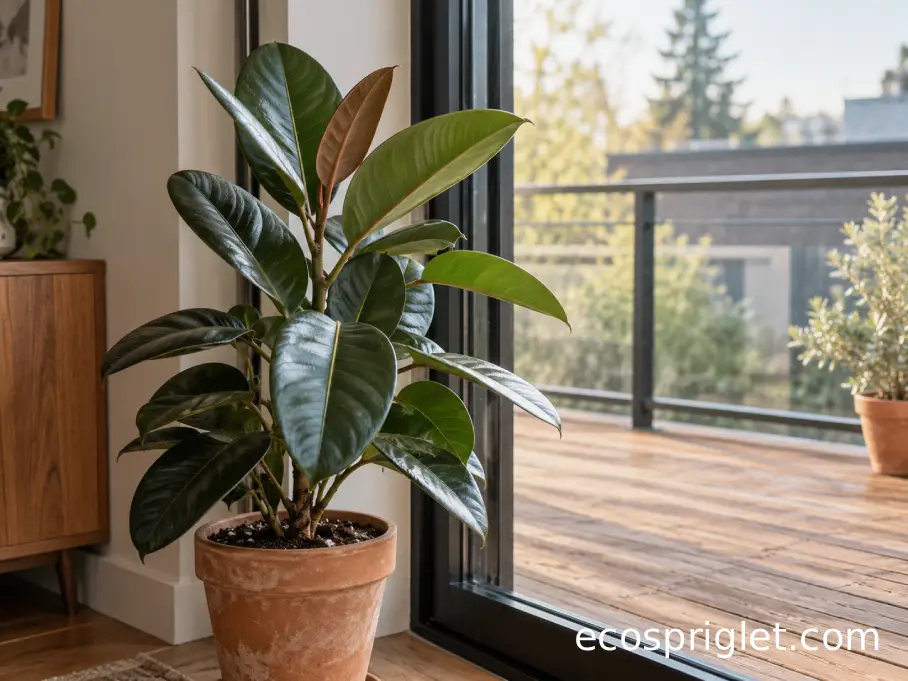
Water by Checking the Soil, Not Following a Calendar
If there’s one habit that makes rubber plant care easier, it’s learning to check the soil before reaching for your watering can. The roots need moisture, but they also need air. When potting mix stays saturated for too long, oxygen becomes limited and roots can deteriorate. That’s why a consistently wet container is often more dangerous than occasionally watering a little late.
I learned this the hard way with an indoor ficus near my balcony door. The top of the soil looked dry, so I watered again. A few days later, the lower leaves began yellowing. When I checked deeper, the mix was still damp. The problem wasn’t a thirsty plant; it was my watering schedule.
A Simple Watering Routine
- Check the top 1–2 inches: Push your finger into the mix. If it still feels noticeably damp, wait and check again in a few days.
- Water thoroughly: When the upper soil has dried sufficiently and the pot feels lighter, water slowly until excess begins draining from the bottom.
- Empty the saucer: Let the pot finish draining, then discard any collected water rather than leaving the roots standing in it.
- Adjust with the seasons: Check more frequently during bright, warm growth periods and less frequently when winter light is weak.
As a rough example, an actively growing plant in an 8-inch pot may need checking every 5–7 days during warm weather. In a cool apartment during winter, the soil might remain moist for considerably longer.
Those are inspection intervals, not instructions to water automatically. A large pot, dense mix, or low-light location can dramatically change the timing. A wooden chopstick is useful if you dislike putting your fingers into soil. Insert it a few inches, leave it briefly, and remove it. Damp soil sticking to the lower portion tells you moisture is still present farther down.
For more on watering containers without creating soggy roots, see our indoor plant watering guide.
Give the Roots a Pot and Soil Mix That Actually Drain
Rubber trees don’t need an elaborate soil recipe, but they do need a container that allows excess water to escape. A good-quality indoor potting mix is usually sufficient, especially if it contains ingredients such as perlite or bark that help maintain air spaces around the roots.
If your existing mix seems unusually dense and slow to dry, you can try combining approximately three parts standard houseplant potting mix with one part perlite. Treat that as a practical starting blend, not a strict formula. The goal is a mix that absorbs moisture without staying heavy and waterlogged.
Choose the Right Pot Size
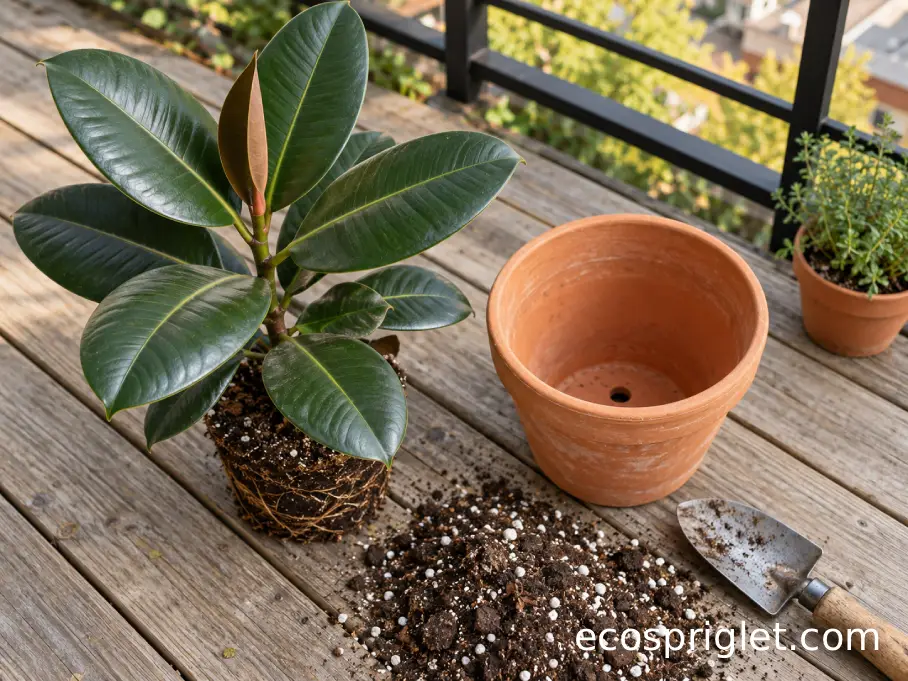
Most young plants do well staying in their original nursery containers until the roots need more space. When repotting becomes necessary, choose a new pot roughly 1–2 inches wider than the current one. Moving a 6-inch plant straight into a 12-inch pot creates a large volume of unused soil that may stay wet for too long.
Iowa State University Extension recommends moving houseplants up only one or two container sizes and using containers that drain properly.
For renters, a practical arrangement is to keep the rubber tree in a draining nursery pot inside a decorative outer planter. Remove the inner pot for watering, let it drain fully, and then return it to the decorative container.
Avoid relying on a layer of stones at the bottom of a pot as a replacement for drainage holes. It reduces available root space and doesn’t provide a reliable exit for excess water.
Repot when roots are circling densely, emerging through drainage holes, or making the pot unstable. If the plant is healthy and growing comfortably, there’s no need to disturb it simply because another spring has arrived.
Feed, Prune, and Shape Your Tree Without Overdoing It
One reason I recommend rubber trees for apartment gardeners is that you can influence their shape without needing complicated training equipment.
Leave the main growing tip alone and the plant generally develops a taller, more upright profile. Pruning that tip may encourage side branches, creating a fuller shape over time.
You don’t need to keep cutting it to make progress. In a small room, a few well-planned adjustments are usually enough.
Four Easy Maintenance Habits
- Feed during active growth: In spring and summer, apply a balanced liquid houseplant fertilizer at the manufacturer’s recommended dilution. For a modest indoor plant, feeding about once a month is a conservative starting point. Reduce feeding in low light and stop when growth slows significantly.
- Prune in spring: If the tree is getting too tall, use clean, sharp pruning shears to cut the main stem just above a leaf node at your desired height. New branches may develop below the cut.
- Support a leaning stem: Use a sturdy plant stake and soft ties if your rubber tree becomes top-heavy. Check that ties aren’t digging into the bark as the stem thickens.
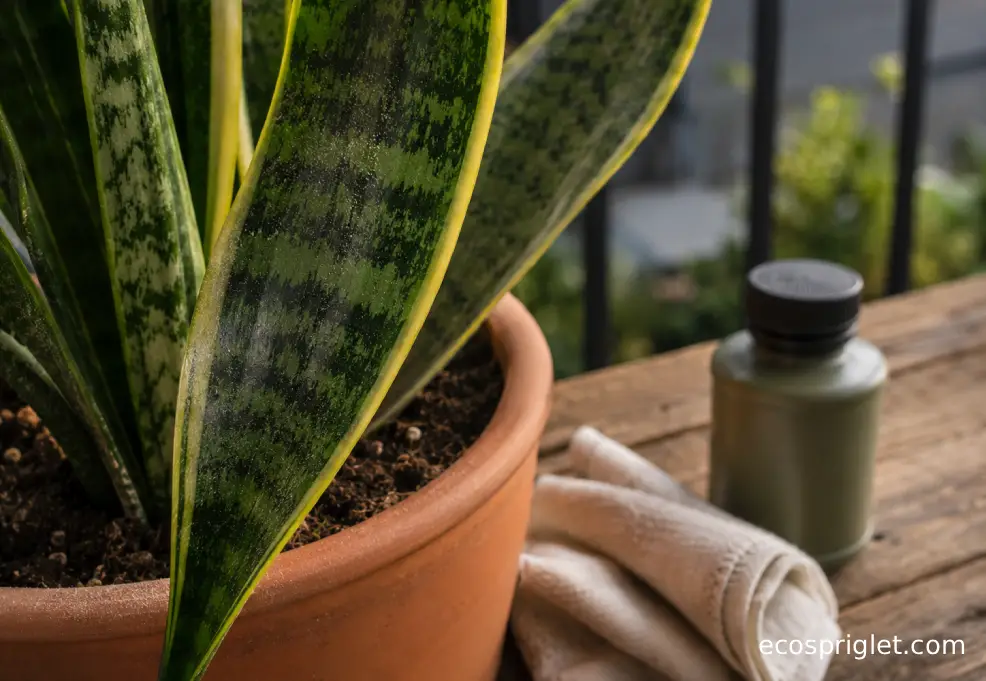
- Clean dusty foliage: Wipe leaves gently with a soft damp cloth every few weeks or whenever dust visibly accumulates. Avoid commercial leaf-shine products.
Rubber plants release a white, sticky sap when stems or leaves are cut. It can irritate skin, so wear gloves while pruning, protect nearby floors, and keep cuttings away from children and pets.
Don’t remove too much foliage from a struggling plant. If your tree is already dropping leaves or showing root problems, correct its growing conditions before attempting a major prune.
Can You Grow a New Plant From a Cutting?
Yes. Stem-tip cuttings and air layering are established propagation methods for Ficus elastica, as noted by the Royal Horticultural Society.
For a modest home project, take a healthy 4–6-inch stem cutting with at least one node during active growth. Wear gloves, allow the excess milky sap to stop flowing, and place the cutting into a moist, airy propagation medium.
Keep it warm, in bright indirect light, and lightly moist rather than saturated. A loosely fitted clear cover can help maintain humidity, but allow ventilation and remove the cover if condensation becomes excessive.
Rooting can take several weeks or longer, and not every cutting succeeds. Wait for a healthy root system and signs of new growth before moving the cutting into a larger pot.

Read the Leaves Before Making a Care Change
Rubber plants communicate stress through their foliage, but one symptom can have several causes. A curled leaf doesn’t automatically mean the plant is thirsty, just as a yellow leaf doesn’t always mean you’ve overwatered.
The most useful clues come from combining leaf symptoms with soil moisture, temperature, and recent changes in location.
Common Leaf Problems and What to Do
- Leaves curling inward: Check whether the potting mix is excessively dry, the plant is near a heat source, or pests are feeding beneath the leaves. Water if the root zone is dry and move the plant away from hot, drying drafts. Remember that newly emerging leaves naturally unfurl as they grow.
- Lower leaves turning yellow: Inspect the soil before watering again. Persistently wet mix, especially with a soft stem base or unpleasant odor, may indicate declining root health. If only an occasional older bottom leaf yellows while new growth remains healthy, it may be normal aging.
- Sudden leaf drop: Think back over the previous 1–2 weeks. A cold draft, sudden move, overly wet soil, or a sharp light change may be responsible. Correct the likely cause and avoid changing several conditions at once.
- Brown edges or pale, scorched patches: Review watering and sunlight exposure. Crispy patches on the window-facing leaves can suggest sunburn, while dry edges may accompany water stress or unusually dry conditions.
Before taking drastic action, examine the plant in this order: soil moisture, drainage, available light, temperature, and pests.
If the soil is soggy and the plant is wilting, remove the inner pot from its decorative container, check that drainage holes are clear, and inspect the roots if the problem continues. Healthy roots are generally firm; rotten roots may be dark, soft, and unpleasant-smelling.
For persistent rot, remove badly decayed material with clean tools and repot into fresh, well-draining mix. A severely damaged root system may not recover, so preserving a healthy stem cutting can be a sensible backup.
Give your rubber tree time after making a correction. Existing damaged leaves won’t necessarily regain their appearance. The better sign is healthy new growth and a reduction in further leaf loss.

Keep Pests Under Control With Simple Inspections
Rubber plants aren’t unusually difficult to keep pest-free, but their large leaves and stem joints can provide hiding places for insects. The most common pests worth watching for include spider mites, mealybugs, and scale insects.
Mealybugs resemble tiny pieces of white cotton, particularly where leaves meet stems. Scale insects appear as small, attached bumps, often along stems and veins. Spider mites can cause fine speckling and delicate webbing, especially during dry indoor conditions.
I make pest inspections part of routine watering rather than treating them as a separate chore. It takes less than a minute to turn over a few leaves and check the stem joints.
At the first sign of infestation, move the affected plant away from other houseplants. For a small problem, gently wipe or rinse affected foliage and physically remove visible insects.
Inspect the plant again every 3–4 days because small insects and eggs may remain hidden. For persistent infestations, choose a houseplant pesticide specifically labeled for the identified pest and indoor use, follow all label directions, and test a small leaf area first.
The University of Minnesota Extension recommends inspecting new plants and isolating them for 1–2 weeks to help prevent pest introductions.
Avoid spraying random household cleaners or concentrated homemade mixtures onto the leaves. They can damage foliage without reliably controlling the insects.

Keep Dogs, Cats, and Children Away From the Sap
If you share your apartment with curious pets, this is one part of rubber tree care that deserves special attention.
Are Rubber Plants Toxic to Dogs and Cats?
Yes. Ficus elastica should be treated as unsafe for pets to chew or eat. Its milky sap can irritate the mouth and digestive tract, potentially causing discomfort, drooling, or vomiting. The sap can also irritate human skin.
Clemson Cooperative Extension specifically recommends keeping rubber plants away from pets and young children who may chew on foliage.
Place the plant somewhere your dog or cat genuinely cannot reach, and remember that a tall floor plant may still be accessible to a climbing cat. Remove fallen leaves promptly and keep fresh pruning scraps out of reach.
If your pet chews or swallows part of the plant, contact a veterinarian or animal poison-control service for guidance. Do not attempt to induce vomiting without veterinary instructions.
There’s also an important naming distinction: the baby rubber plant, Peperomia obtusifolia, is a different species. The ASPCA lists Peperomia obtusifolia as non-toxic to dogs and cats. Check the botanical label rather than assuming all plants sold with rubber in their common name have the same safety profile.
Let Your Rubber Tree Enjoy a Sheltered Summer Balcony
A rubber tree can spend part of the warm season outdoors, but I wouldn’t move one straight from a comfortable living room into full balcony sun. Indoor foliage needs time to adjust to stronger outdoor light, moving air, and changing temperatures. An abrupt change can cause scorched leaves or stress-related leaf drop.
Start in a protected, shaded location for several days. Gradually introduce gentle morning sunlight over the following week or two while observing the leaves.
Keep the plant sheltered from strong wind. Rubber trees can become top-heavy, and large leaves catch gusts surprisingly easily, especially on upper-story balconies.
Use a stable container placed well inside the railing, away from edges and busy walkways. Make sure the total weight of the plant, wet soil, and container is appropriate for the balcony, and follow any building restrictions.
Outdoor containers may dry faster than indoor ones. During hot weather, check soil moisture every 2–3 days rather than assuming your indoor watering routine still applies.
Bring the plant inside before nighttime temperatures approach 55°F. Inspect both sides of the foliage for insects before returning it to your living space.
There’s no requirement to give a healthy rubber plant an outdoor vacation. If your balcony is exceptionally windy, exposed to intense afternoon sun, or difficult to manage safely, a bright indoor window is usually the simpler choice.

Common Mistakes to Avoid With Rubber Plant Care
Most struggling rubber plants don’t need expensive treatments or a complete overhaul. Often, the simplest improvement comes from correcting one everyday habit.
These are the mistakes I’d watch for first, particularly if you’re growing your first Ficus elastica indoors.
- Watering on the same day every week: Soil moisture changes with light, temperature, and plant growth. Test the upper 1–2 inches before deciding to water.
- Choosing a decorative pot without drainage: A beautiful container can hide a soggy root zone. Keep a draining inner pot and empty the outer container after watering.
- Keeping the plant too far from a window: A dark apartment corner may slow growth and lead to sparse foliage. Move the tree gradually toward brighter, indirect light.
- Using too much fertilizer: Additional feeding won’t compensate for poor light or unhealthy roots. Feed modestly during active growth and reduce applications when growth slows.
- Changing several conditions at once: Moving, repotting, pruning, and fertilizing a stressed plant together makes it difficult to identify what’s helping. Correct the clearest problem first.
The last point is especially important. I’ve seen gardeners repot a mildly stressed plant, move it into stronger sunlight, and increase watering all in the same weekend. When the leaves respond badly, there’s no clear way to tell which change caused the trouble.
My approach is much simpler: check drainage, soil moisture, and temperature first. If those are reasonable, investigate light and pests. Make a sensible correction, then monitor the plant’s response over the following 2–3 weeks.
Remember that an older damaged leaf may not recover even when your care improves. The goal is to stop new damage and encourage healthy foliage, not to make every existing leaf perfect.
Enjoy a Healthier Rubber Plant With a Simple Routine
A healthy rubber plant doesn’t require a complicated maintenance schedule. It needs a suitable location, a little consistency, and someone willing to pay attention when its growing conditions change.
Start with a bright window that provides indirect sunlight. Choose a container with working drainage holes, check the soil before watering, and keep the plant away from cold drafts. During spring and summer, modest feeding and occasional pruning can help maintain healthy growth and an attractive shape.
If you notice curling leaves or yellowing foliage, don’t immediately assume the worst. Check the potting mix, look beneath the leaves for pests, and think about any recent changes in temperature or sunlight. Often, identifying the cause early makes the solution much easier.
For apartment living, I particularly like the way rubber trees grow upward rather than sprawling across valuable floor space. A well-positioned specimen can become a wonderful green focal point without demanding an entire room.
Start with the right spot and a manageable watering routine. Then let the plant show you what it needs. With a little patience, your rubber tree can become one of the most rewarding and long-lasting plants in your indoor collection.