When you want greenery but don’t want a second job, easy house plants are the sweet spot—especially in an urban apartment where light and space can be unpredictable. The trick isn’t finding “unkillable” plants (that’s mostly a marketing myth). It’s matching a plant’s habits to your home: how bright your windows are, how warm your rooms stay, and how often you realistically remember to water.
I’ve kept plants in everything from a bright, drafty Portland loft to a dim studio where the “sunny spot” was basically a rumor. The plants that lasted weren’t necessarily the prettiest on day one—they were the ones that forgave missed waterings, tolerated lower light, and didn’t panic if the humidity dipped in winter.
This guide focuses on easy indoor house plants that stay calm under normal apartment life: you travel, the heater runs, you forget a watering, and they still look good.
What Makes a House Plant Easy to Take Care Of
An easy to care for house plant usually has three qualities: it tolerates a range of light, it stores water (or at least doesn’t wilt immediately), and it’s not prone to drama if you skip a week of perfect care. That’s why thick-leaved plants (like snake plant and ZZ plant) and tough vines (like pothos) are so often recommended as easy care indoor house plants.
The other “easy” factor is feedback. The best beginner plants give you readable signals: droopy leaves when they’re thirsty, slower growth when light is too low, or yellowing when you’ve been too generous with water. Overwatering is the most common way people lose indoor plants—not lack of fertilizer, not a mysterious disease. Sources like University of Maryland Extension repeatedly emphasize checking moisture rather than watering on a schedule.
If you want a simple mindset shift: treat care like a quick weekly check-in, not a daily routine. A two-minute scan (soil feel, leaf color, any pests) beats “a little splash of water every day,” which often keeps roots too wet.
7 Easy House Plants That Forgive You
I remember my first pothos in a tiny apartment—north-facing window, winter gloom, and me watering like I was “being responsible.” The plant didn’t die from low light. It sulked because I kept the soil constantly damp. Once I let it dry between waterings, it bounced back fast. That’s a theme with a lot of easy to grow indoor house plants: steady, not soggy.
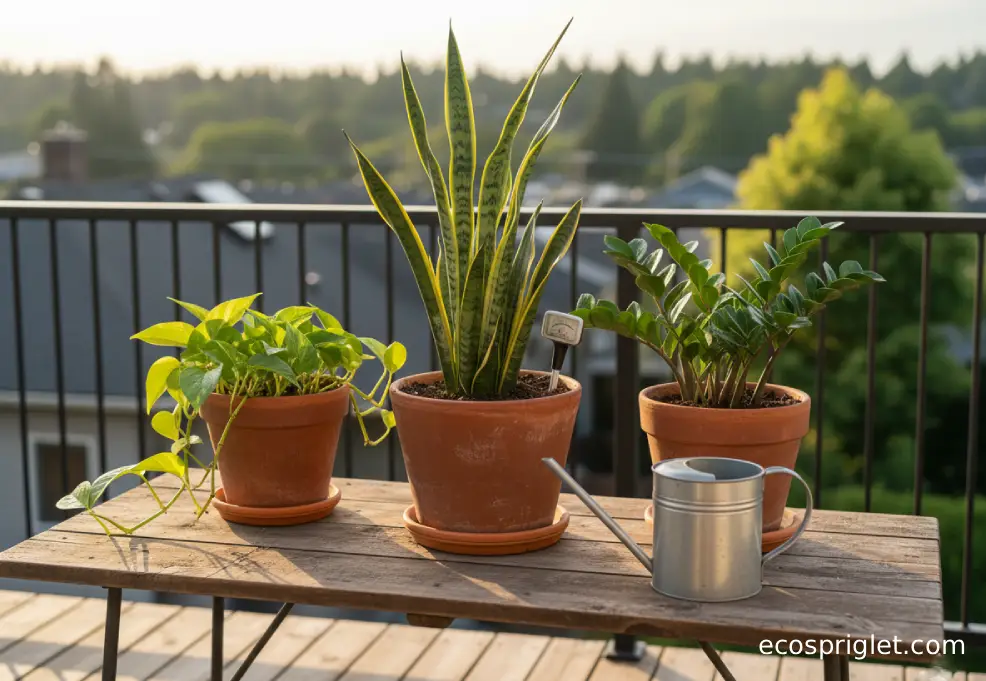
- Pothos (Epipremnum aureum): Prefers bright, indirect light but can hang on in low light; let the potting mix dry between waterings. (NC State Extension Plant Toolbox)
- Snake plant (Dracaena trifasciata): Tolerates very low light; allow soil to dry between waterings and water very sparingly in winter. (NC State Extension Plant Toolbox)
- ZZ plant (Zamioculcas zamiifolia): Grows in very low light (even fluorescent-only areas), but does best in bright indirect; water only after the soil dries out completely. (NC State Extension Plant Toolbox)
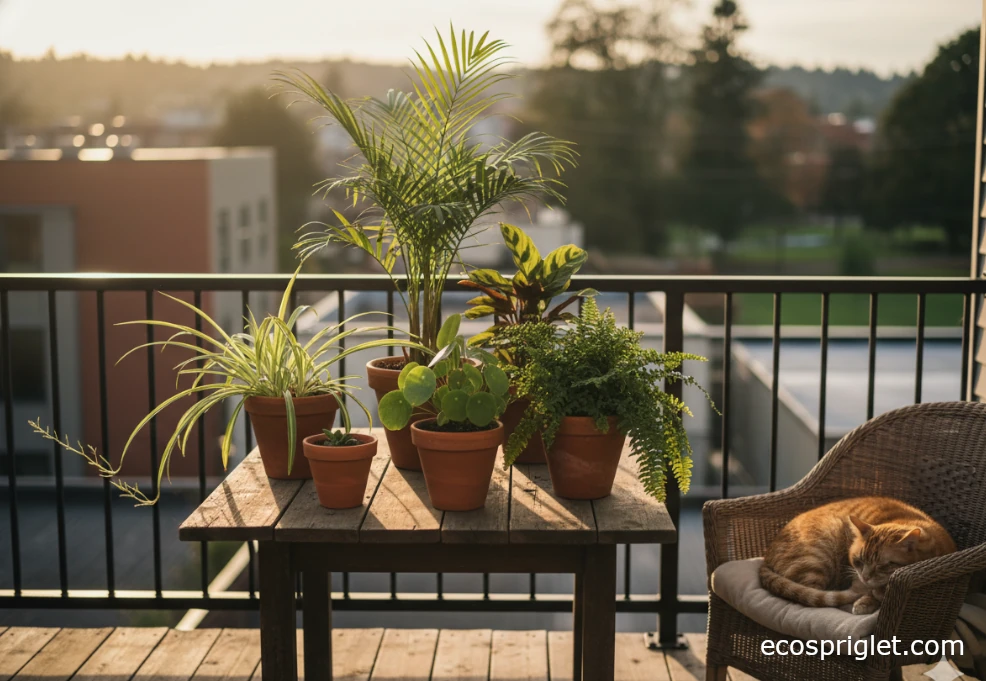
- Spider plant (Chlorophytum comosum): A classic for beginners; great when you want something fast-growing and forgiving.
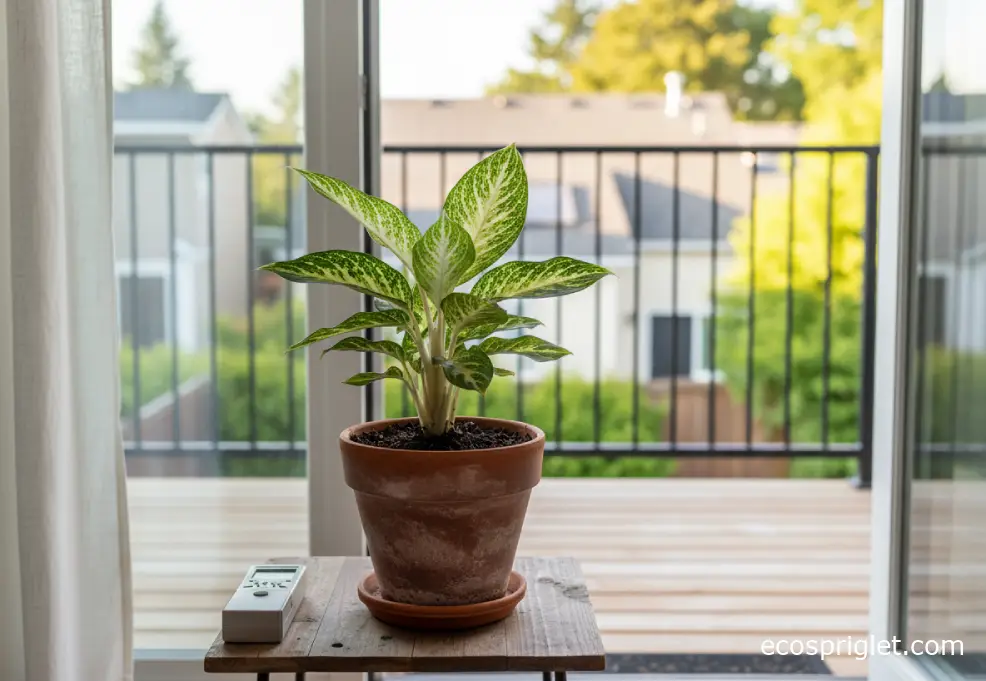
- Chinese evergreen (Aglaonema): Solid green types handle low light well; keep out of harsh sun. (Clemson HGIC)
- Cast iron plant (Aspidistra elatior): Lives up to the name; a strong choice for low-light corners. (NC State Extension Plant Toolbox)
- Blunt leaf peperomia (Peperomia obtusifolia): Compact, tidy, and a good “small shelf” plant for apartments.
Pet-Safety Reality Check (And Easy Swaps)
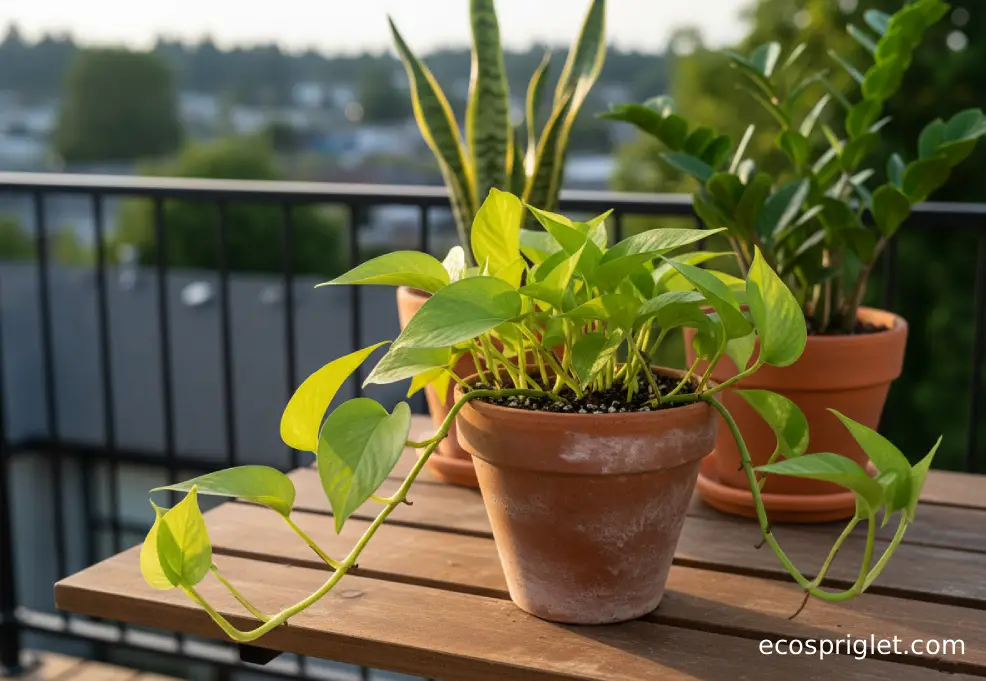
Some of the most popular “easy care house plants” are toxic if chewed—especially pothos and snake plant. If you’ve got a curious cat or dog, use ASPCA’s database as your north star. Golden pothos and snake plant are listed as toxic to cats and dogs.
Easy swaps that are listed as non-toxic by ASPCA: spider plant, parlor palm, calathea, and blunt leaf peperomia.
Light Without the Stress: Finding a Spot That Works
Most apartment plant problems are really “light problems wearing a watering costume.” In lower light, soil stays wet longer, so watering on a fixed schedule becomes risky. In brighter light, plants use water faster and growth is sturdier.
Here’s a practical shortcut: start by identifying your best window, then decide how far back you can place plants. Illinois Extension gives useful distance guidelines tied to window direction and light level (for example, low light might be several feet back from a north window, or much farther from a south window).
- Low light: Great for snake plant, ZZ plant, cast iron plant, and solid-green Chinese evergreen. Expect slower growth, not instant lushness.
- Bright indirect light: The “happy middle” for many easy indoor house plants—pothos, peperomia, and plenty of others.
- Direct sun: Powerful but easy to overdo; it can scorch shade-loving foliage if it’s hot afternoon sun.
If you notice stretching (leggy growth) or leaves getting smaller, that’s usually your plant asking for more light. Illinois Extension notes that spindly, elongated growth is a common indicator of insufficient light.
A Watering Routine That Actually Works
If you only learn one habit for house plants easy to take care of, make it this: water based on soil moisture, not the calendar. University of Maryland Extension recommends testing soil with your finger to about 2 inches—if it’s dry, it’s probably time to water for many common houseplants.
University of Nevada, Reno Extension offers a similarly simple rule of thumb for many indoor plants: water when the soil feels dry about an inch below the surface.
- Water deeply, then drain: Water until it runs out the bottom, then empty the saucer. Don’t let pots sit in water for long periods.
- Match the plant type: Snake plant and ZZ plant want longer dry spells; pothos and spider plant like drying between waterings but not bone-dry for weeks.
- Adjust for season: In winter, many homes have less light and plants drink less—so the same pot stays wet longer.
- Watch the leaves: Persistent yellowing often points to excess moisture. University of Maryland Extension calls overwatering the number one reason indoor plants fail.
If you want “easy to take care indoor house plants,” don’t chase perfection—chase consistency. A quick weekly check is usually enough for most foliage plants, and it’s more forgiving than small daily sips that keep roots damp.
Pots, Potting Mix, and Repotting (Skip the Gravel Myth)
Pot choice is less about aesthetics and more about physics: drainage holes plus a well-drained potting mix prevent the root issues that make “easy to care for house plants” suddenly feel hard. One persistent myth is adding gravel or rocks to the bottom of a pot to “improve drainage.” Washington State University Extension’s classic myth-busting paper explains why it doesn’t help the way people think—and can actually create a perched water table that keeps roots wetter. UC Master Gardeners repeat the same guidance: skip the gravel layer.
Instead:
- Use a quality potting mix (not garden soil), and consider adding extra perlite if a plant likes fast drainage.
- Choose a pot with drainage holes and a saucer you can empty.
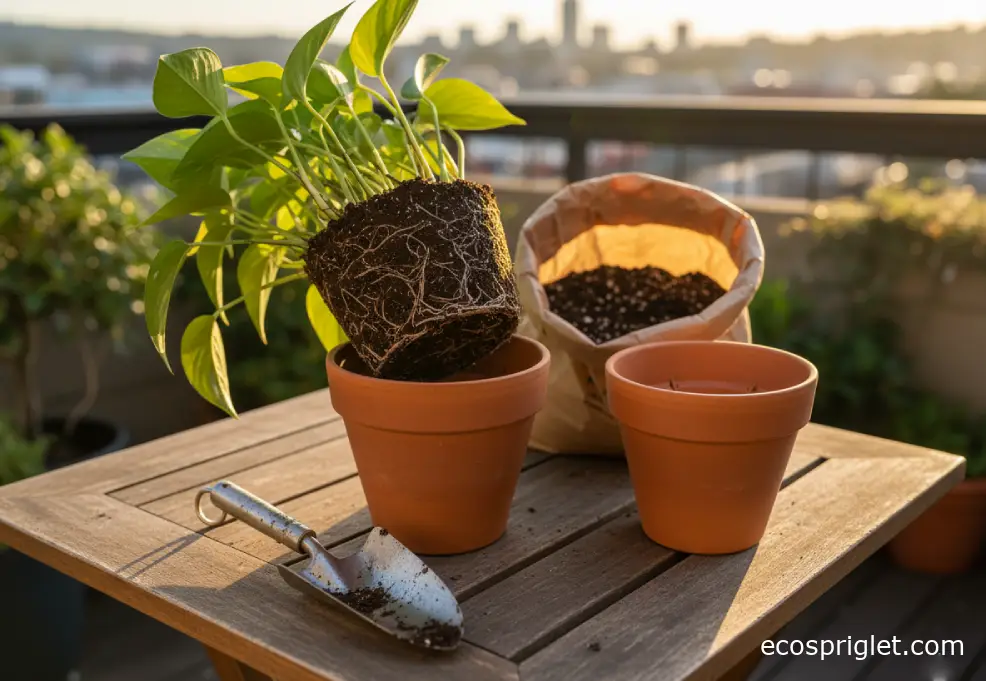
- When repotting, move up just 1–2 inches in pot diameter to avoid a big volume of wet soil around a small root system.
| Sign | What It Usually Means | Simple Fix |
|---|---|---|
| Roots circling the pot or popping out the drain hole | Plant is pot-bound | Repot 1–2 inches larger, refresh mix |
| Soil dries extremely fast after watering | Root mass is crowding out mix | Repot or top-dress with fresh mix |
| Soil stays wet for many days and smells “sour” | Poor drainage or overwatering | Check drainage holes, adjust watering, consider fresh mix |
Repotting frequency depends on growth rate. Clemson HGIC notes fast growers may need annual repotting, while slow growers can go 2–3 years. Another solid rule from Arkansas Extension: many houseplants won’t need repotting more often than once a year, and many go longer.
Gentle Feeding and Humidity for Easy Care Indoor House Plants
Fertilizer is optional for survival, helpful for growth. The easiest approach is “less, but consistent” during active growth, then back off when light drops. University of Maryland Extension suggests fertilizing from March through September, and notes that monthly applications of a diluted liquid fertilizer in summer can keep many plants healthy.
University of Minnesota Extension puts it in an apartment-friendly way: as daylight increases, resume feeding gently—half strength every 2 to 4 weeks can be plenty for many houseplants.
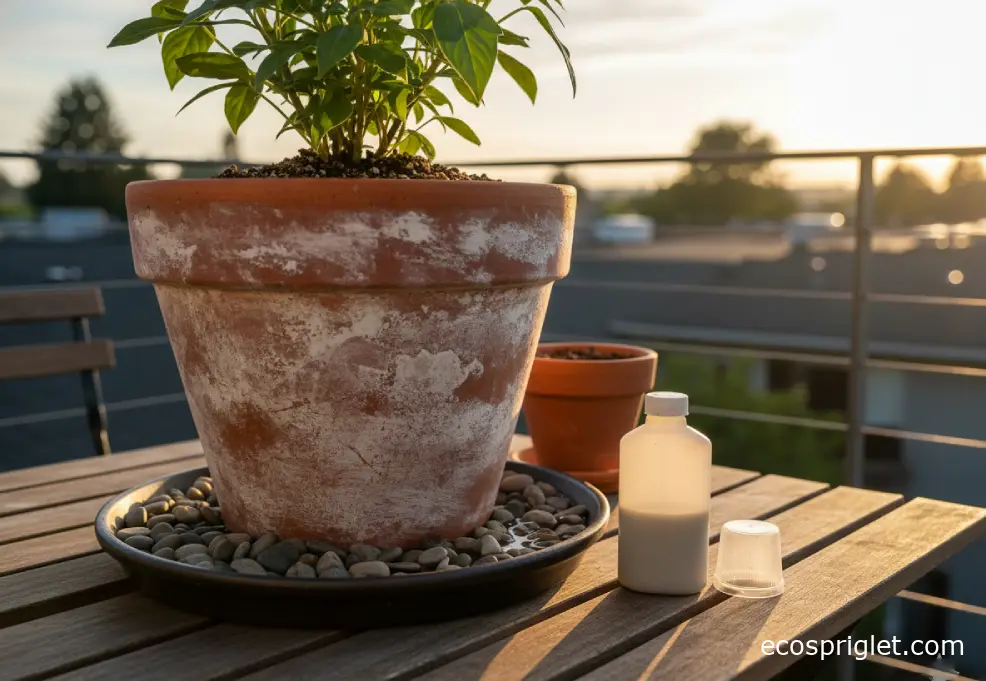
Humidity is a similar story: don’t overcomplicate it. If your home is extremely dry (hello, winter heat), group plants together, use a small humidifier near your collection, or try a pebble tray. Just don’t mist constantly as a “fix-all”—it’s often short-lived and can be messy.
Quick Troubleshooting: Yellow Leaves, Gnats, and Slow Growth
- Yellow leaves (especially lower leaves): Often linked to excess moisture. University of Maryland Extension notes overwatering is a leading cause of yellowing and indoor plant failure. Try letting the mix dry more between waterings and confirm your pot drains well.
- Fungus gnats: They thrive in consistently moist potting mix. Wisconsin Extension recommends letting the top inch of soil dry and using sticky traps; bottom-watering can also help keep the surface drier.
- Leggy, stretched growth: Usually not enough light. Illinois Extension points out spindly growth as a light warning sign—move the plant closer to a window or add a small grow light.
- Slow growth: Sometimes normal (especially in winter). Check light first, then consider a gentle feeding schedule during brighter months.
One underrated trick: rotate pots a quarter turn every week or two. It evens out growth and helps plants stay fuller instead of leaning hard toward one window.
Common Mistakes New Indoor Plant Keepers Make
- Watering on a schedule: Soil dries at different rates based on light, pot size, and season—check moisture instead. (University of Maryland Extension)
- No drainage holes: Pretty pots are fine as cachepots, but the inner nursery pot needs holes so roots can breathe.
- Putting “low light” plants in no light: Low light still means light. Plants may survive a while, but they won’t thrive indefinitely.
- Overpotting: Jumping to a much bigger pot can keep the mix wet too long, raising rot risk.
- Ignoring pet safety: If your cat is a nibbler, don’t gamble—use the ASPCA list and pick non-toxic options like spider plant or parlor palm.
When friends ask me for a house plant easy to take care of, I usually recommend starting with two plants, not ten. Get your light and watering rhythm down first, then expand your collection with confidence.
Small-Apartment Styling Ideas That Help Plants Thrive
Styling isn’t just décor—it can make plant care easier. If you set things up so watering and light checks are effortless, you’ll keep even easy to take care of house plants looking better for longer.
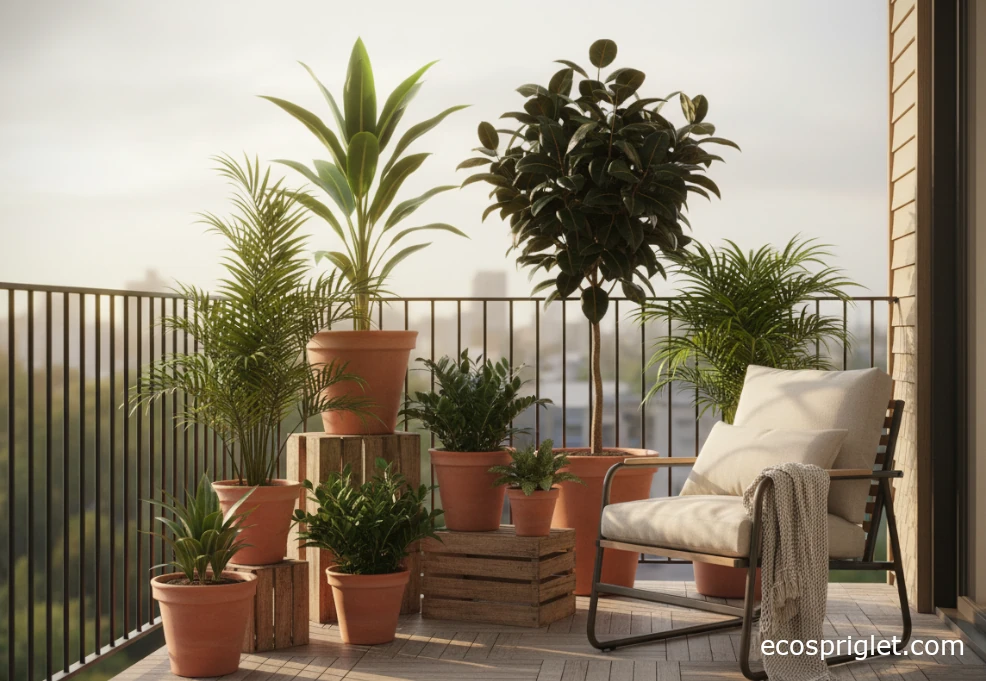
- Group by light needs: Put your bright-indirect lovers together near the window, and keep your easy house plants low light picks (like snake plant and ZZ) a bit farther back.
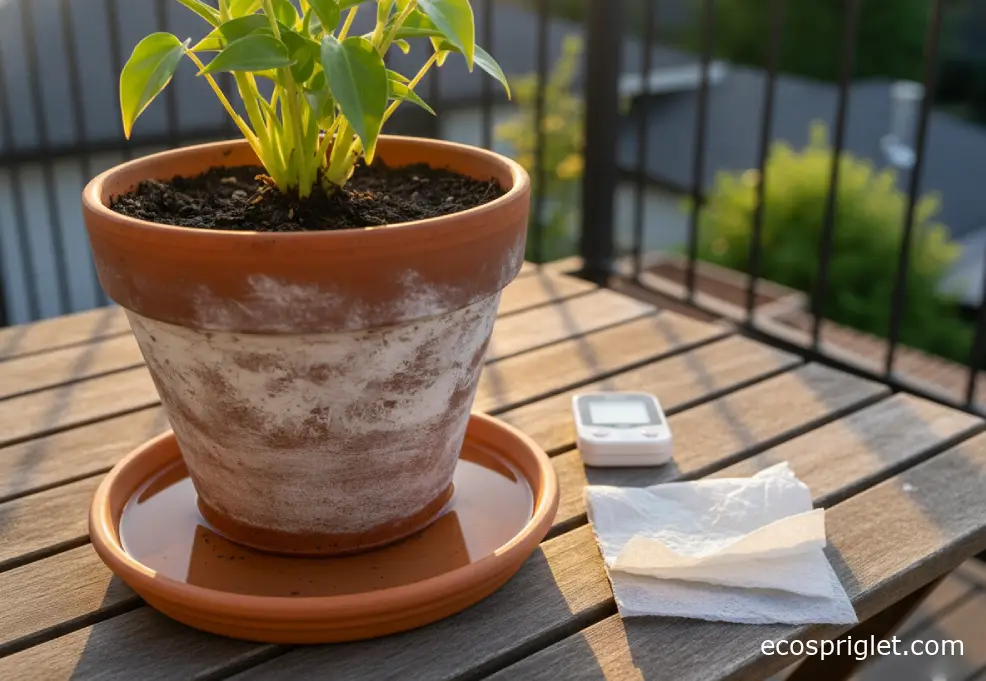
- Use trays intentionally: A waterproof tray under a cluster protects floors and makes it obvious when saucers need emptying.
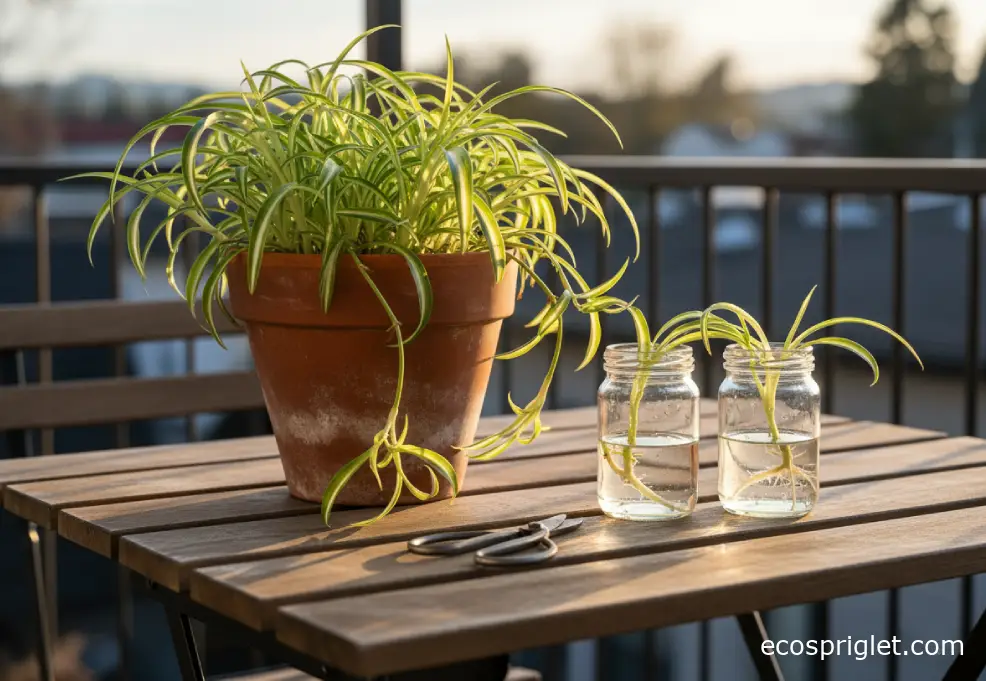
- Try one propagation station: Spider plant babies root readily in water, and it’s a fun way to “grow your own” without buying more plants.
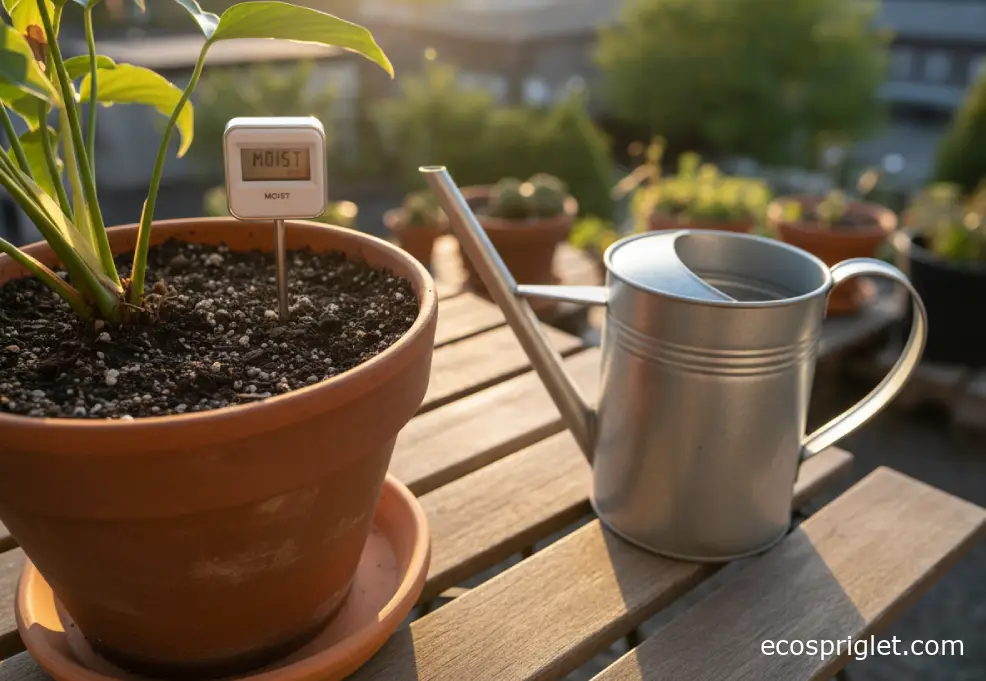
- Make watering convenient: Keep a small watering can and moisture meter in the same spot so you don’t “forget” the check.
The best easy house plants aren’t “magic.” They’re just well-matched to real apartment life: light that changes with the season, a watering routine that’s more check-in than schedule, and pots that drain properly. Once you get those basics right, you’ll notice that many plants become house plants that are easy to take care of—because you’ve removed the main stressors.
Start with two or three reliable choices (pothos, spider plant, snake plant, ZZ, or Chinese evergreen), place them where the light actually fits, and use the soil-dryness test before you water. If something looks off, don’t panic—most issues trace back to light and moisture. Adjust one variable at a time, give the plant a couple of weeks, and you’ll learn faster than any checklist can teach.