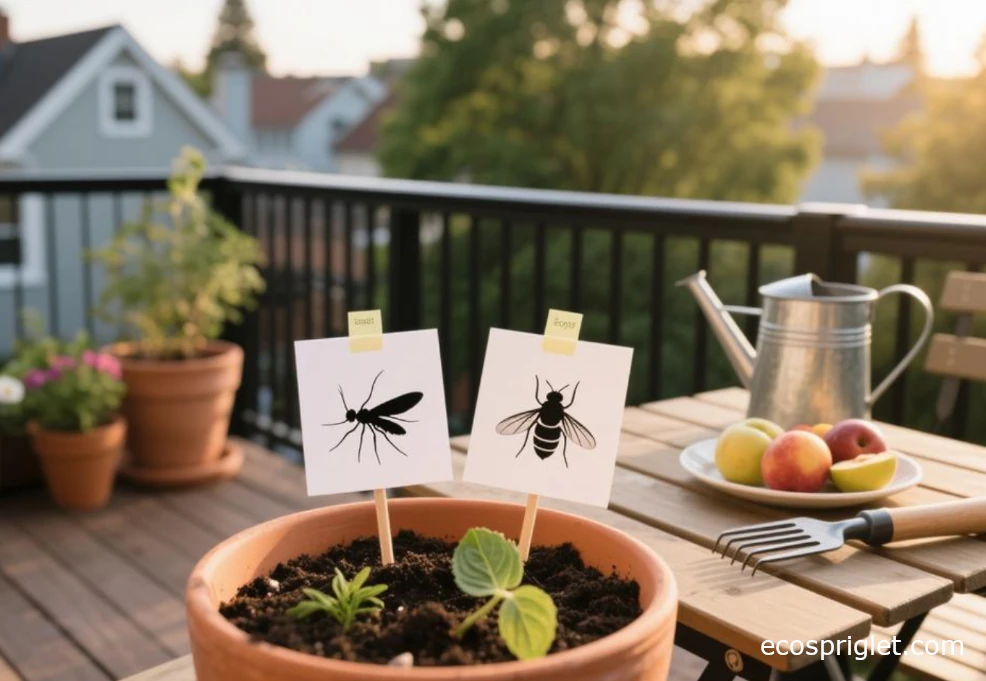
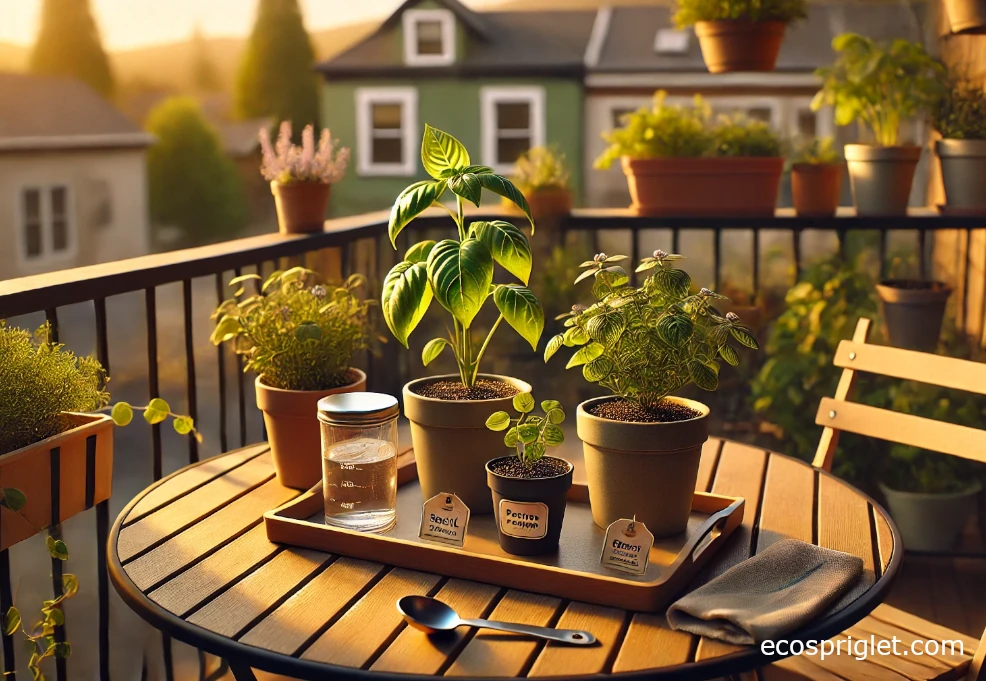
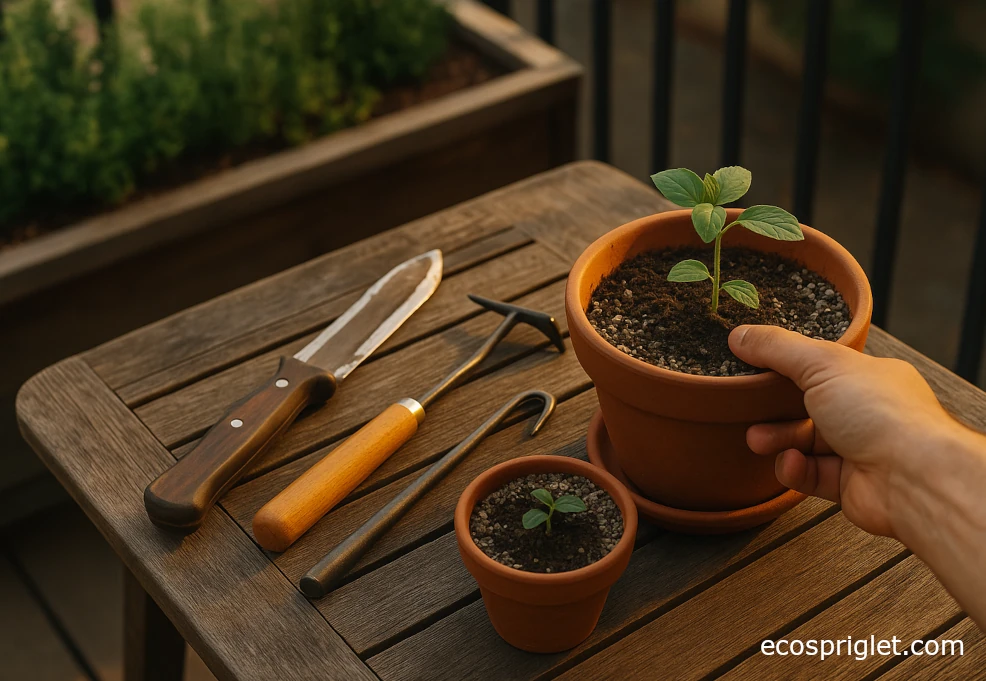
If you have ever stepped onto your balcony and found potting mix scattered across the decking, you already know the squirrel problem is not just cute wildlife behavior. Squirrels dig in containers because loose potting mix feels like an easy place to hide food, investigate bulbs, or search for something edible. The good news is that learning how to keep squirrels out of potted plants does not require harsh chemicals, complicated traps, or turning your terrace into a fortress.
For apartment gardeners, the best approach is simple: block the digging surface, remove the easy rewards, and make each container a little less interesting than the next one down the block. I have dealt with this on my own Portland terrace, especially in fall when squirrels seem convinced every terracotta pot is a pantry. A few physical barriers, a neater planting routine, and some balcony-safe habits usually solve most of the damage within a week or two.
This guide focuses on humane, renter-friendly fixes for flower pots, herb containers, bulb planters, and mixed balcony displays.
Why Squirrels Keep Digging in Your Containers
Squirrels are not usually trying to destroy your plants. Most are looking for loose soil where they can cache food, retrieve something they buried earlier, or investigate bulbs and seeds. That matters because the best fix is not a stronger smell or a scarier gadget; it is making the soil surface physically harder to dig.
Freshly filled containers are the biggest target. New potting mix is loose, fluffy, and easy to excavate. Fall bulb pots are another favorite because squirrels often dig where bulbs have just been planted. The Royal Horticultural Society notes that bulbs in pots can be protected with wire netting, and that barriers can often be removed once shoots appear because the bulbs become less attractive after growth starts.
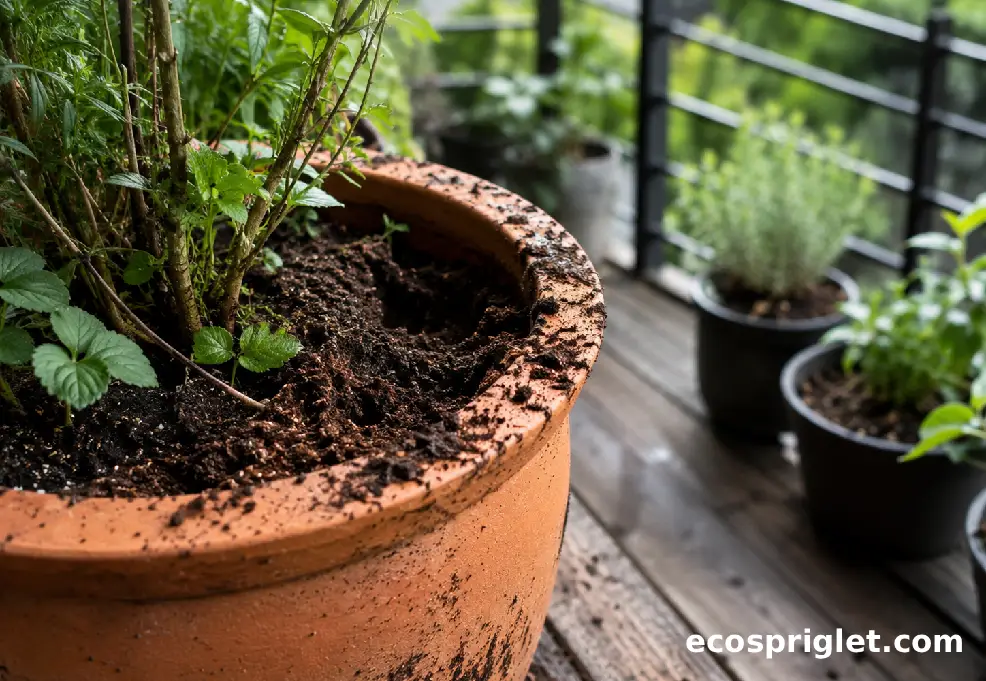
On balconies, squirrels also learn routines. If one pot has exposed soil, birdseed nearby, or a few buried acorns already in it, they may return again and again. I usually check for three clues before changing anything: loose soil sprayed outside the pot, small cone-shaped holes 1–3 inches deep, and seedlings or bulbs lifted from below rather than chewed from above.
Once you know it is digging rather than plant disease or wind damage, you can move straight to barriers.
Start With the Fastest Physical Barrier
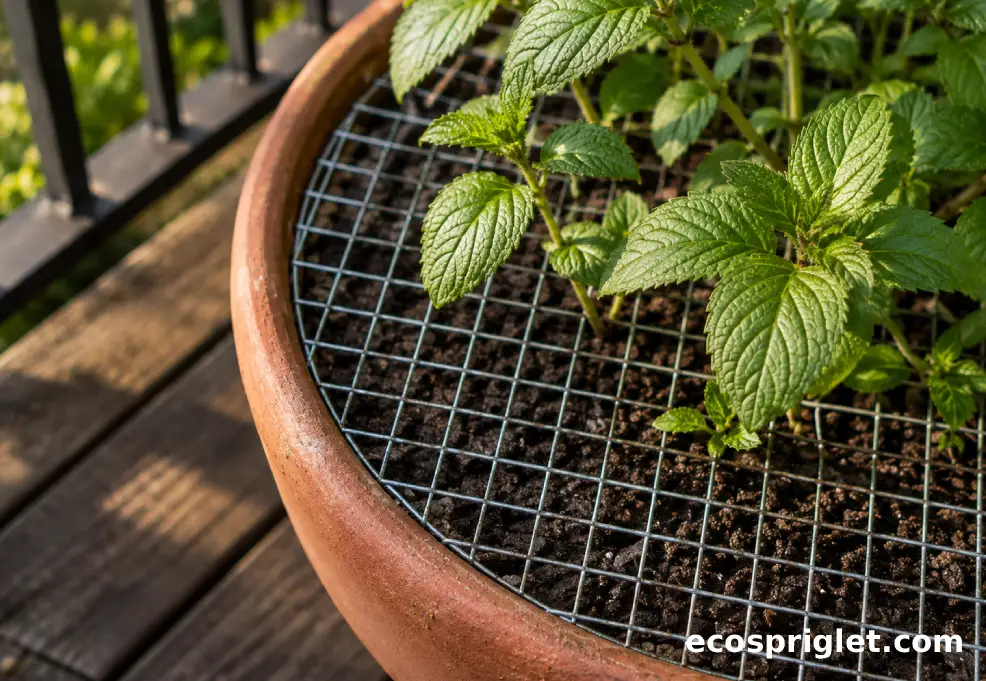
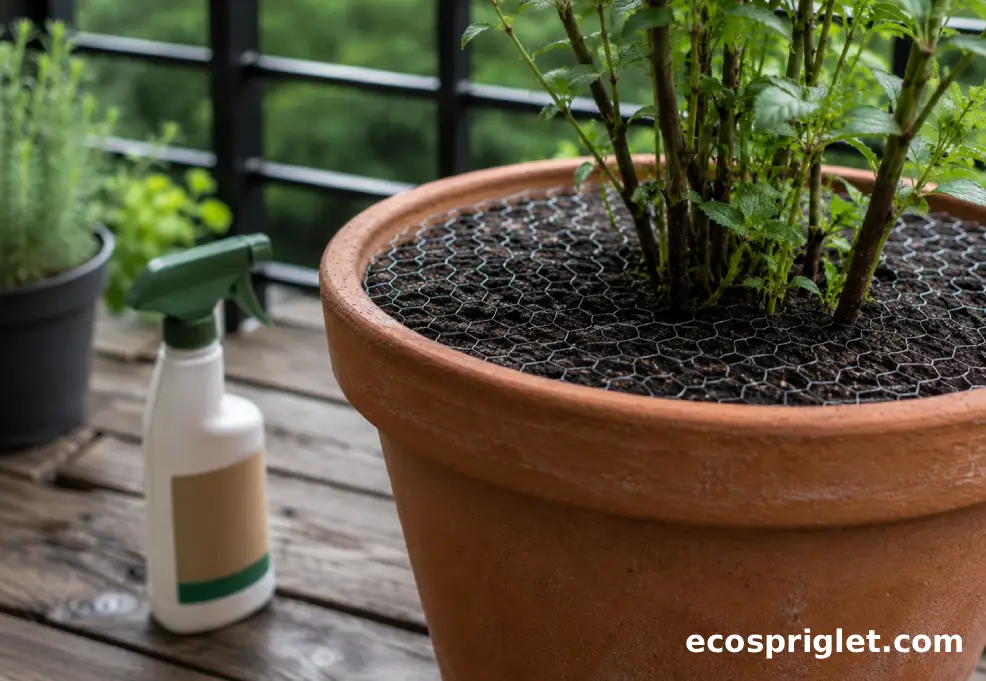
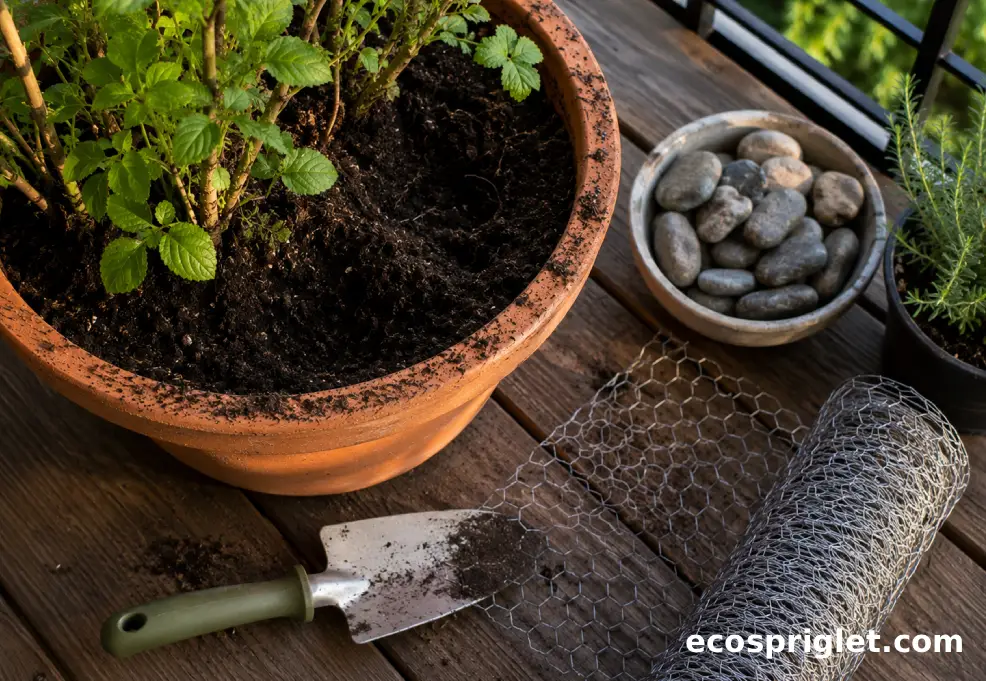
The most reliable squirrel fix is a barrier that covers the potting mix but still lets water and air through. For most flower pots, cut hardware cloth, chicken wire, or sturdy wire mesh into a circle 1 inch wider than the pot opening. Snip a slit from the edge to the center, fit it around the plant stems, then tuck the edges just under the pot rim.
Use mesh openings around 1/4–1/2 inch for small seedlings and newly planted bulbs. For established ornamentals, 1-inch chicken wire can work if the squirrel cannot easily lift it. Wear gloves when cutting wire, and bend sharp ends downward so they do not scratch hands, pets, or leaves.
- For seedlings: Use 1/4-inch hardware cloth and remove it before stems press tightly against the openings.
- For bulbs: Leave the mesh on through winter, then remove it when shoots are 2–3 inches tall.
- For herbs: Cut a wider center opening so basil, parsley, or mint stems are not rubbed by metal in wind.
- For balcony edges: Secure the barrier under the pot rim so loose mesh cannot lift or blow away.
Sources such as RHS and Penn State Extension recommend wire or hardware cloth as a practical exclusion method for bulbs and seeds. On a small terrace, I like this fix first because it solves the digging problem without adding strong odors, sticky products, or extra mess.
Make the Soil Surface Less Fun to Dig
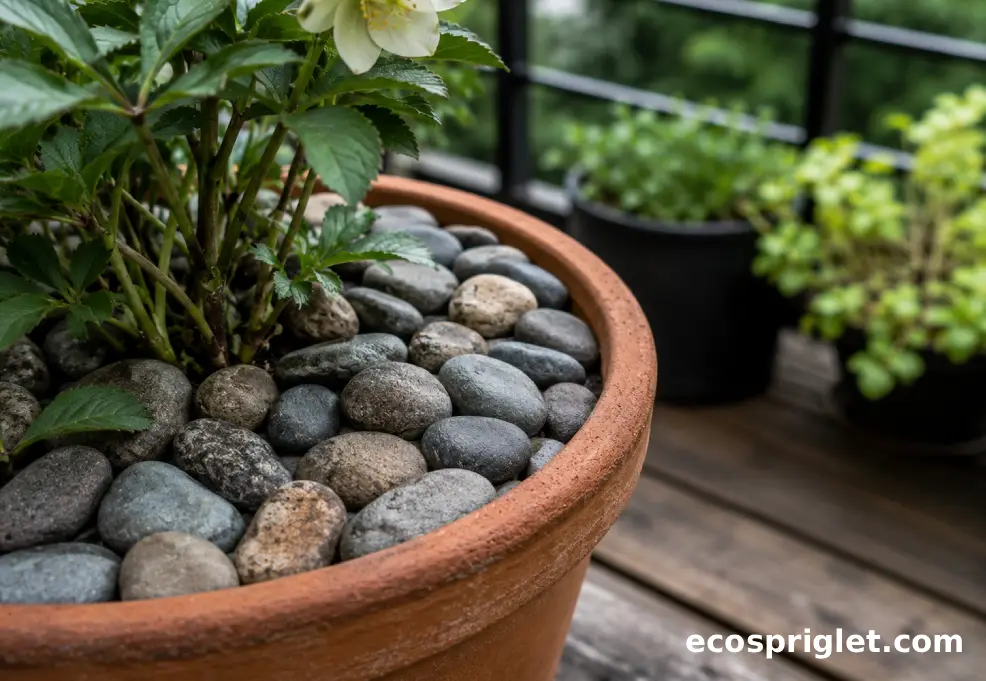
If you want a softer-looking option than wire, top-dressing can help. A 1/2–1 inch layer of smooth river stones, coarse bark, pine cones, or chunky horticultural grit makes the pot less inviting. The key is to cover the surface without sealing it. Water should still soak through quickly, and the plant crown should stay clear.
For shallow annuals and flowers, use lighter materials such as pine cones, orchid bark, or coarse mulch pieces. For deeper pots with established shrubs, a ring of smooth stones works well. Keep stones at least 1 inch away from soft stems so moisture does not sit against the crown.
One important container note: surface stones are different from putting gravel in the bottom of a pot. Illinois Extension explains that a gravel layer under potting mix does not improve drainage and can leave water perched in the soil above it. Use stones on top as a digging deterrent, not as a drainage shortcut.
For renters, top-dressing also cuts down on sweeping. When squirrels test the pot, they hit an awkward, uneven surface instead of loose potting mix. They may still nose around for a day or two, but many move on when the payoff disappears.
Protect Bulbs, Seeds, and Freshly Planted Flower Pots
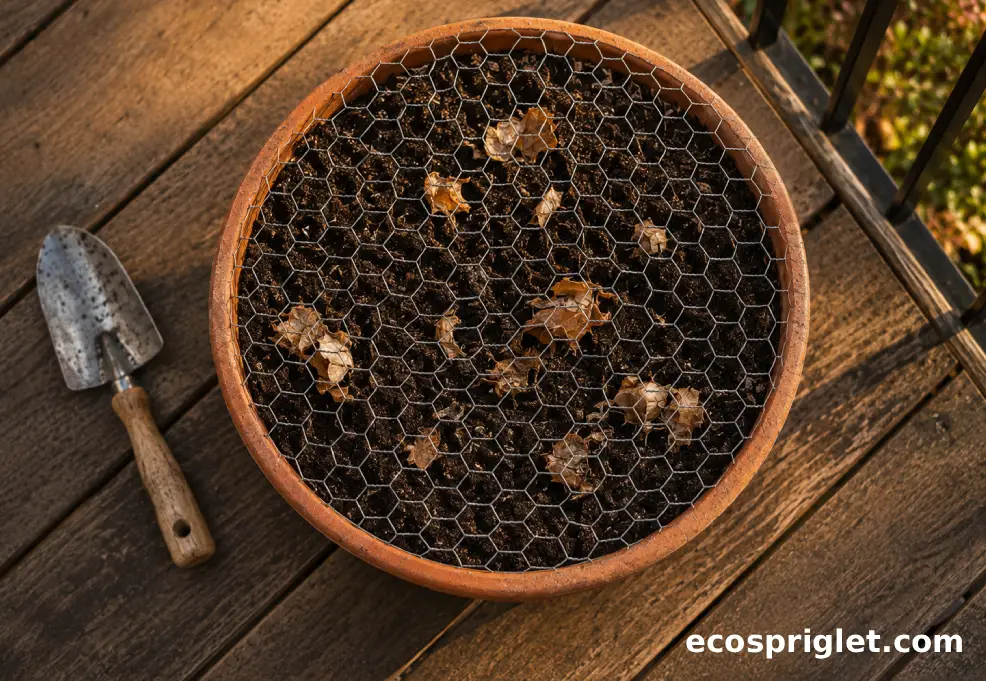
Bulb pots need a slightly different strategy because squirrels are often drawn to the planting disturbance itself. After planting tulips, crocuses, or other tempting bulbs, water the container well, firm the surface gently with your palms, and cover the top immediately. Waiting even one night can be enough for a squirrel to investigate.
RHS advises placing chicken wire over bulb containers after planting and removing it in spring when the first shoots appear. I follow a similar routine on my terrace: plant, water, mesh, label. The label matters more than it sounds because once the wire is on, every pot looks like a quiet brown circle until growth starts.
If you are trying to keep squirrels out of flower pots with seeds, do not leave soft, freshly sifted mix exposed. Use a lightweight seed tray cover, cloche, or a piece of mesh propped 1–2 inches above the surface until seedlings are sturdy. Remove covers during warm afternoons if condensation builds up, especially on enclosed balconies where air movement is weak.
- Water after planting: Moist, settled mix is less fluffy and less inviting than dry loose mix.
- Clean up clues: Sweep spilled seed, bulb skins, and potting mix from the deck right away.
- Group vulnerable pots: Put new plantings together so one temporary mesh panel can protect several containers.
For edible seedlings, choose physical covers over homemade sprays. It is cleaner, safer, and easier to remove when the plants need more airflow.
Use Scents and Repellents Carefully
Repellents can help, but they are rarely the whole answer. Penn State Extension notes that capsaicin-based squirrel repellents can be variable, depending partly on other available food sources. That matches what I have seen in containers: scent may slow a curious squirrel, but a loose, unprotected pot still looks diggable.
Use commercial animal repellents only according to the label, especially around herbs, vegetables, pets, and children. Reapply after rain or heavy watering if the product label says to. Avoid spraying flowers that pollinators are actively visiting, and do not apply hot pepper products to edible leaves you plan to harvest soon unless the label clearly allows that use.
Skip mothballs completely. The National Pesticide Information Center explains that mothballs are pesticides regulated by label directions, and outdoor use for wildlife control can harm children, pets, animals, soil, plants, and water. Oregon State University Extension is even more direct: mothballs should not be used in gardens to repel animals such as squirrels.
A practical scent routine looks like this: install a barrier first, clean up spilled seed or food, then use a labeled repellent around the outside of the pot or planting area if squirrels keep returning. Think of scent as a nudge, not a fence.
Set Up Your Balcony So Squirrels Have Fewer Rewards
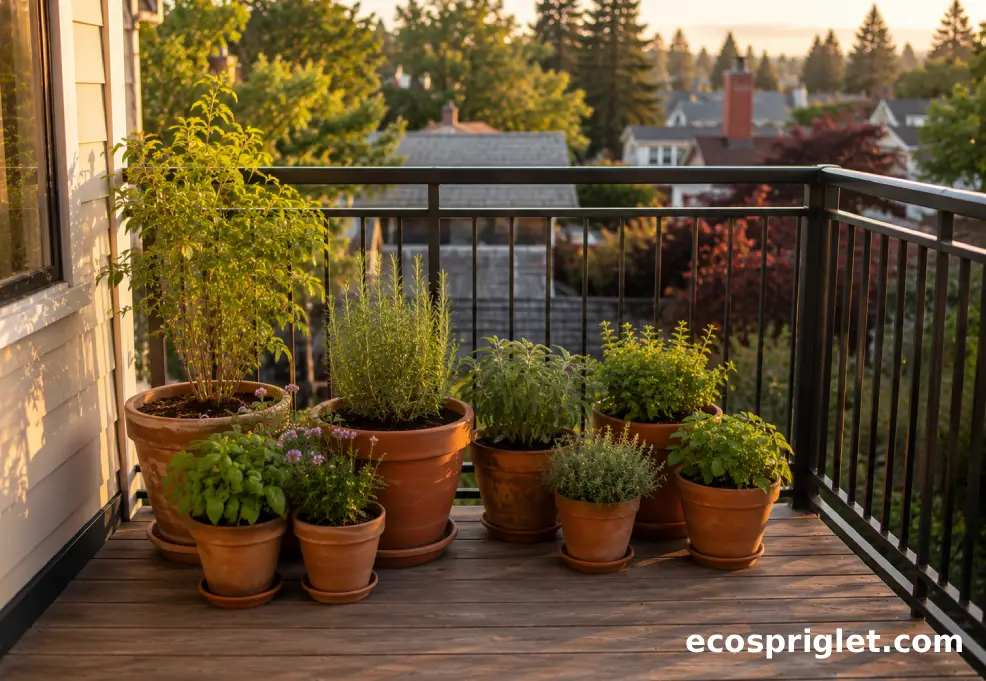
A squirrel-proof pot is easier to maintain when the whole balcony is less rewarding. Birdseed is the biggest culprit. If you feed birds above or near your containers, dropped seed can turn every planter into a snack zone. Move feeders at least 6–8 feet from vulnerable pots if your space allows, add a seed tray, or pause feeding for two weeks while you reset the containers.
Keep potting mix bags closed, sweep spilled soil, and remove acorns or nuts as soon as you spot them. Squirrels remember successful hiding places. A pot that already contains cached food may be dug up repeatedly until the stash is gone.
Balcony safety matters too. RHS notes that balconies and roof gardens have weight and wind challenges, and recommends checking structural limits, keeping heavy containers near load-bearing areas, and using low, stable planters in exposed spots. For apartment dwellers, that means squirrel barriers should never create a new hazard. Do not leave loose mesh, bamboo stakes, or lightweight covers where gusts can lift them over a railing.
I like to place the most vulnerable pots near a wall, not the outer edge. They are easier to check, less exposed to wind, and less likely to become a mess for downstairs neighbors.
Common Mistakes to Avoid
The mistake I learned the hard way was trying one dramatic fix instead of two boring ones. Years ago, I sprinkled a strong-smelling deterrent around a fall bulb pot and felt very clever. The next morning the pot was still dug up, and now the deck smelled terrible. Barriers would have taken less time.
- Relying only on scent: Use mesh, stones, or covers first; repellents work best as backup.
- Using mothballs outdoors: They are not a safe garden repellent and should not be used in pots.
- Covering drainage holes: A squirrel fix should not trap water or block the pot from draining freely.
- Leaving sharp wire exposed: Fold cut edges downward and check them after windy days.
- Ignoring the food source: Birdseed, spilled nuts, and fresh bulb debris invite repeat visits.
Another beginner mistake is packing the soil surface with heavy stones around small annuals. That can damage tender stems and make watering uneven. Use lighter bark or pine cones for delicate flowers, and save heavier river stones for deeper, established containers.
Finally, do not assume every dug pot is a squirrel problem. Cats, raccoons, birds, and even wind can make a mess. Look for repeated small holes, cached nuts, and digging that starts soon after planting. The fix is similar, but identifying the pattern helps you choose the right barrier.
A Simple 10-Minute Rescue Plan
When you find a pot dug up, fix it the same day if you can. Squirrels are creatures of habit, and a pot that stays open after one successful dig is more likely to be visited again.
- Gently firm the plant back into place and add potting mix only if roots are exposed.
- Water lightly until the top 2–3 inches settle; avoid flooding a stressed plant.
- Remove any buried acorns, nuts, or bulb scraps you find near the surface.
- Add wire mesh or a 1/2–1 inch top-dressing layer before sunset.
- Sweep the balcony so spilled mix and seeds do not advertise the pot again.
If the plant is a seedling and the stem has snapped, replace it rather than nursing it for weeks. If a bulb has been lifted but still feels firm, replant it at the proper depth and protect the surface immediately. For mixed flower pots, I usually add mesh for two weeks, then switch to stones or bark once the planting fills in.
This is also a good moment to check your broader setup. Our balcony container garden basics guide can help you rethink pot placement.
Ready to Keep Your Flower Pots Squirrel-Free
The best way to keep squirrels out of your potted plants is to stop thinking of the problem as a battle and start treating it like container design. Cover loose soil, protect fresh plantings, clean up food clues, and use repellents only as a careful supporting tool. For most balcony gardeners, wire mesh for new pots and a tidy top-dressing for established containers will solve far more than sprays or scare tactics.
Start with your most damaged pot today. Firm the soil, remove any buried snacks, add a barrier, and sweep the area around it. Then watch what happens over the next few mornings. If the digging stops, repeat the same method on your other vulnerable containers. If squirrels keep testing one pot, combine mesh with a light top-dressing and move the container closer to a wall for a week.
Small-space gardening always asks us to be practical. A protected pot is easier to water, cleaner for neighbors, safer in wind, and a lot more fun to look at with your morning coffee.