Potatoes feel like they should be easy: toss them in a cabinet and forget about them. But in an apartment kitchen (warm air, bright lights, and that one cupboard that doubles as a sauna), potatoes can go from “dinner plan” to “science project” fast. The best way to store potatoes is all about controlling four things: temperature, light, airflow, and moisture.
If you remember just one rule, make it this: keep them cool, dark, and breathing. Light turns them green. Heat encourages sprouting. Stale air and trapped moisture invite rot. And the fridge? Sometimes helpful, often not—depending on whether the potato is raw, cut, or cooked.
Below you’ll find simple apartment-friendly setups, plus long-term storage tips for potatoes from the garden, clear guidance for sweet potatoes, and safe methods for peeled, cut, and baked potatoes.
What Actually Ruins Potatoes (And Why Storage Matters)
Potatoes are living tubers, even after harvest. They respond to their environment, and the “bad stuff” is usually a predictable reaction:
Light triggers greening. That green tint is chlorophyll, but it’s also a warning sign that bitter glycoalkaloids can rise in the skin. Keep potatoes in the dark and trim away any green areas; if a potato is very green or bitter-smelling, toss it. Iowa State Extension specifically recommends dark storage and notes quality issues when conditions aren’t right.
Warm temps encourage sprouting. Above about 50°F, sprouting becomes much more likely within a few months, especially for grocery-store potatoes that have already been warmed and cooled on and off.
Trapped moisture + poor airflow leads to mold and soft rot. Potatoes are roughly 80% water, so they need humidity to avoid shriveling—but not condensation. That’s why breathable storage beats sealed plastic. Oregon State Extension and University of Idaho both emphasize high humidity plus airflow as the sweet spot (harder at home, but we can fake it).
My first apartment mistake was storing potatoes under the sink. It felt logical (cooler, right?), but the cabinet trapped humidity from cleaning supplies and dishwater. I lost half a bag in a week. If you’ve got one “never again” storage spot, under-sink is a strong contender.
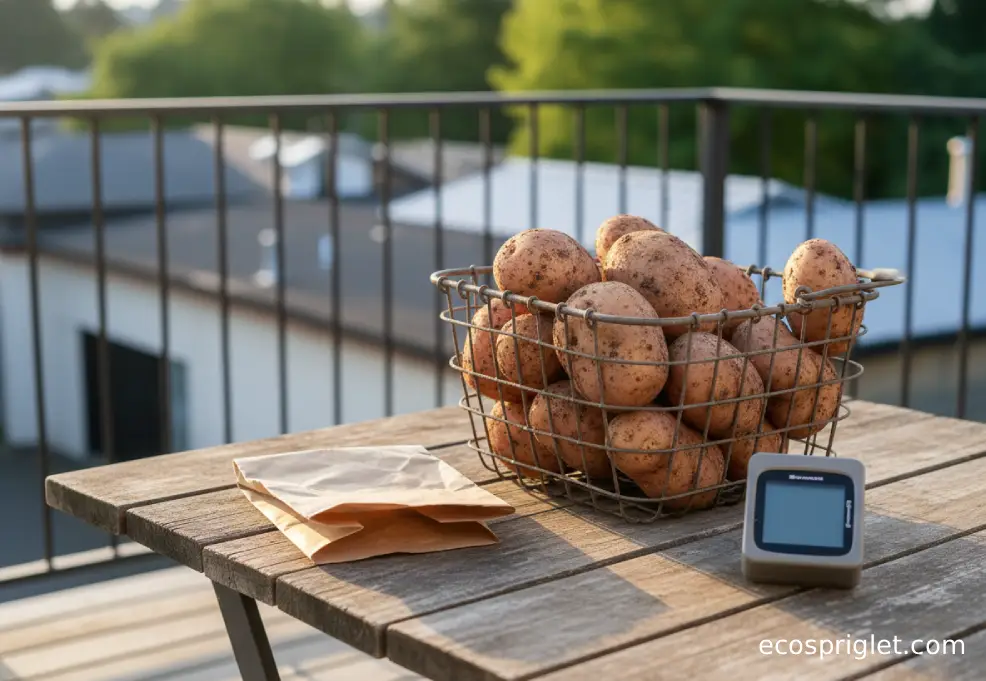
The Best Way to Store Potatoes in an Apartment Kitchen
If you don’t have a basement or cellar (most of us don’t), aim for the closest apartment version of “cool, dark, ventilated.” University of Nebraska–Lincoln’s storage guidance is a helpful target: cure first (if homegrown), then store around 40–45°F in darkness, with airflow.
Here are apartment setups that work surprisingly well:
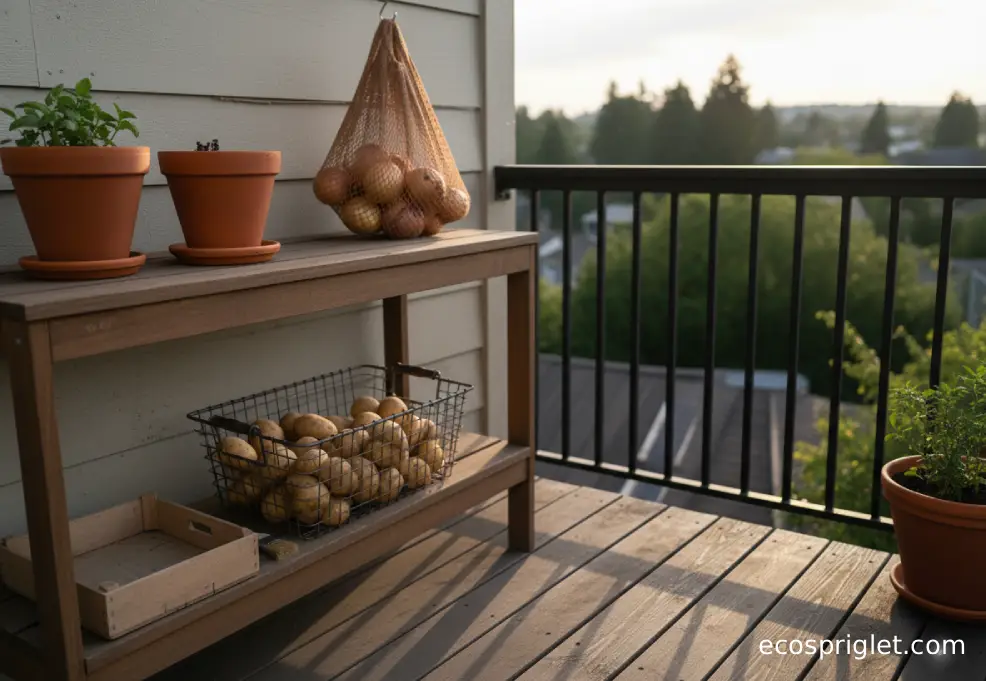
- Bottom pantry shelf or a dark cupboard that’s not above/next to the oven. Put potatoes in a paper bag, a mesh bag, or a ventilated bin. Avoid plastic grocery bags unless you punch a bunch of holes.
- A ventilated cardboard box “mini root cellar”: line a shoebox with a dry paper towel, add potatoes in a single layer, and crack the lid so it can breathe. Store the box in the coolest closet you have.
- A shaded balcony storage tote (if temperatures cooperate): think “cool and shaded,” not “sun-warmed.” If your balcony swings hot during the day, skip this.
Two practical rules that prevent most problems:
- Don’t wash potatoes before storage. Brush off soil; wash right before cooking. (Oregon State Extension notes curing and careful handling for better keeping quality.)
- Do a 60-second weekly check. Pull any soft or leaking potatoes immediately so they don’t speed-ruin the rest of the pile.
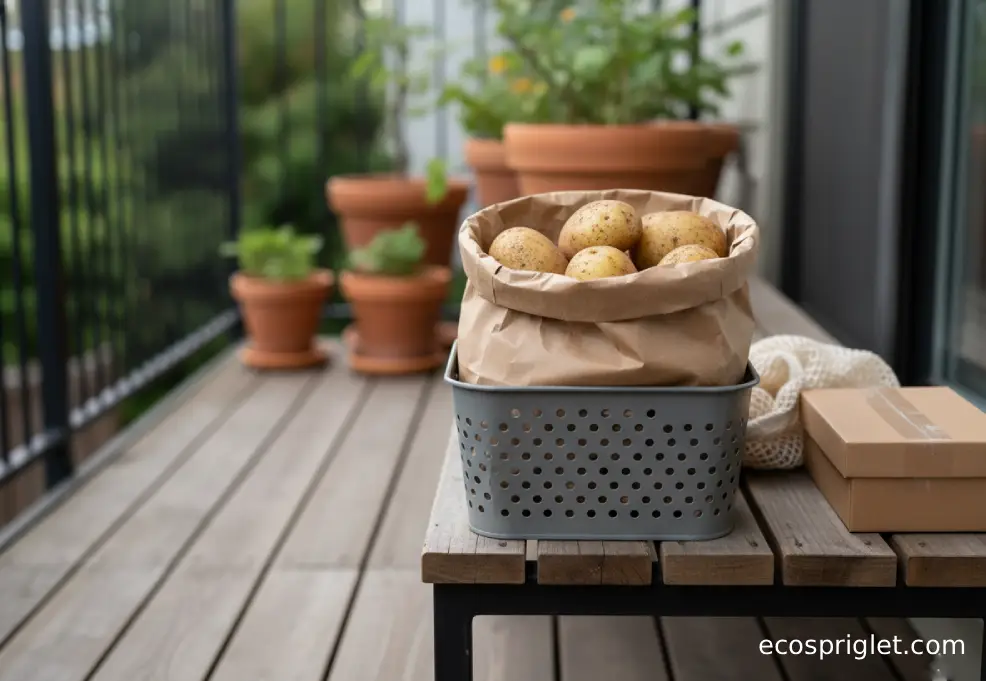
How to Store Potatoes Long Term From Your Garden
Garden potatoes can store for months, but only if you cure them first. Curing toughens the skin and helps small wounds heal—huge for preventing rot in long-term storage. North Dakota State University and Oregon State Extension both describe curing in moderately warm conditions with high humidity and good ventilation before dropping to cooler storage temps.
A simple home curing method that works in small spaces:
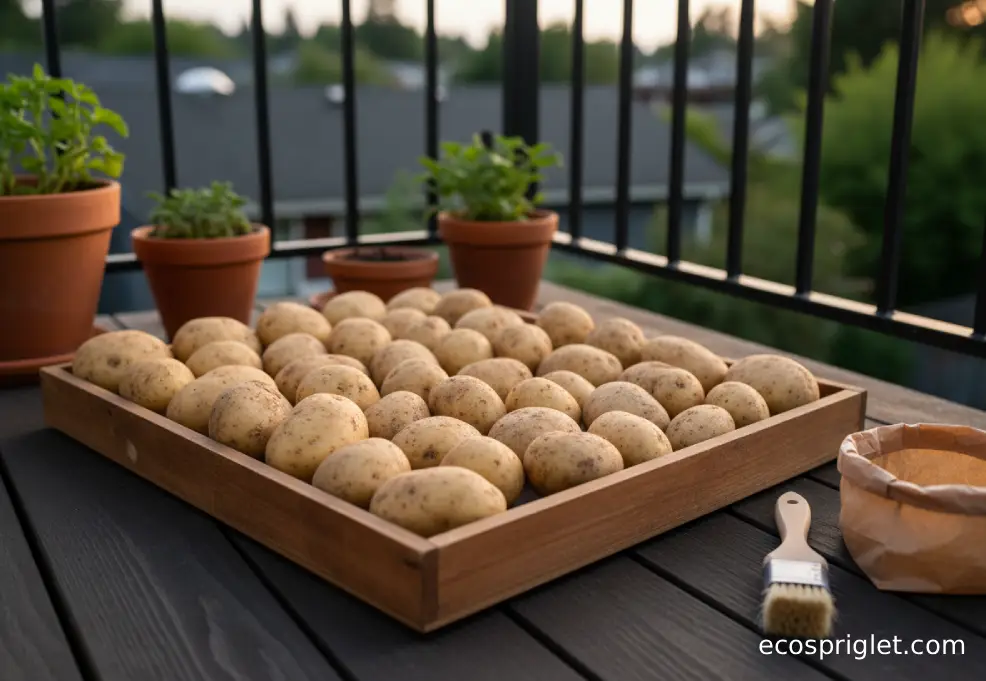
- Brush, don’t wash. Remove loose dirt with a soft brush.
- Cure in the dark for about 7–14 days with airflow. A closet floor with the door cracked and a small fan on low nearby can work (not blowing directly on them).
- After curing, store cooler for the long haul. Many extensions suggest around 40–45°F for table potatoes after curing; warmer storage increases sprouting.
Common beginner mistake: curing too cold. University of Nebraska–Lincoln notes that wounds won’t heal properly at 50°F or below, which can shorten storage life. If your place is chilly, cure in the warmest dark spot you can manage, then move them cooler afterward.
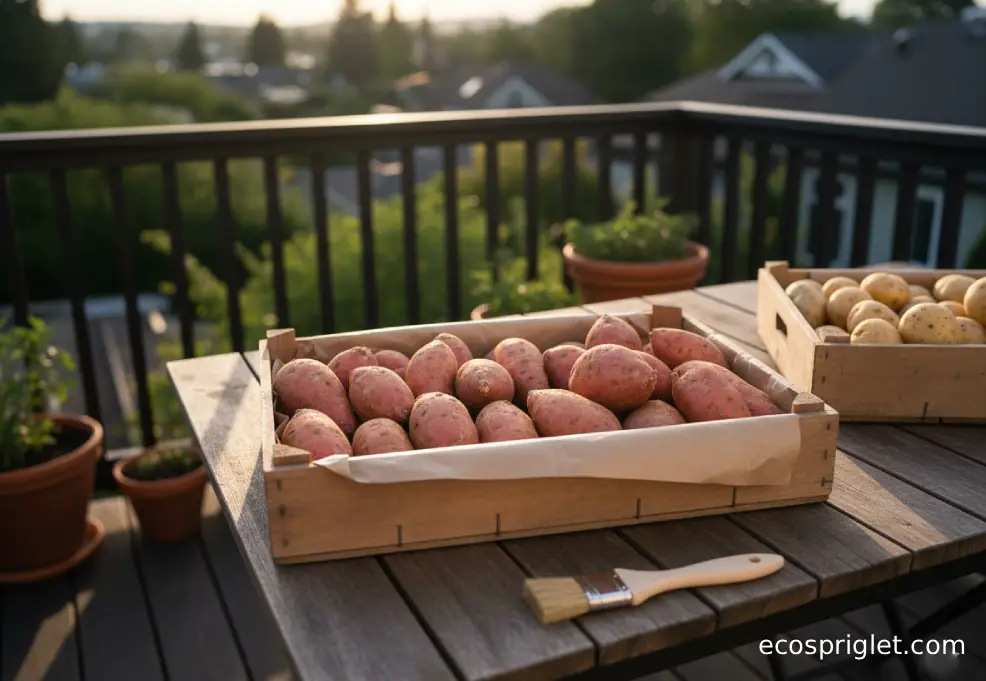
How to Store Sweet Potatoes Without Chilling Injury
Sweet potatoes are the warm-blooded cousins in the potato world. They hate cold. Several university sources warn that temperatures below about 55°F can cause chilling injury (hard centers, off flavors, and weird texture). Penn State Extension and UMass Extension both recommend storage around 55–60°F, and Mississippi State Extension also keeps them in that warmer band.
So the best way to store sweet potatoes is usually:
- Room-temp cool spot (but not cold): a darker pantry shelf away from heat sources.
- Breathable container: crate, basket, or paper bag—no sealed plastic.
- Never the fridge for raw sweet potatoes unless you’re okay with quality loss from chilling.
If you grew them yourself, curing matters here too. Missouri Extension notes curing in warm, humid conditions for about 10 days before storage, which improves keeping quality and sweetness.
Should You Store Potatoes in the Fridge?
This is where people get tripped up, because the answer changes depending on the potato’s state.
Whole raw potatoes: Many extension resources recommend cool (around 40–45°F), dark storage, but they also note that very cold temps can convert starches to sugars, leading to sweeter taste and darker browning when cooked. Iowa State Extension points out that below 40°F potatoes can develop a sugary taste (and suggests resting them at room temperature for a few days to restore flavor).
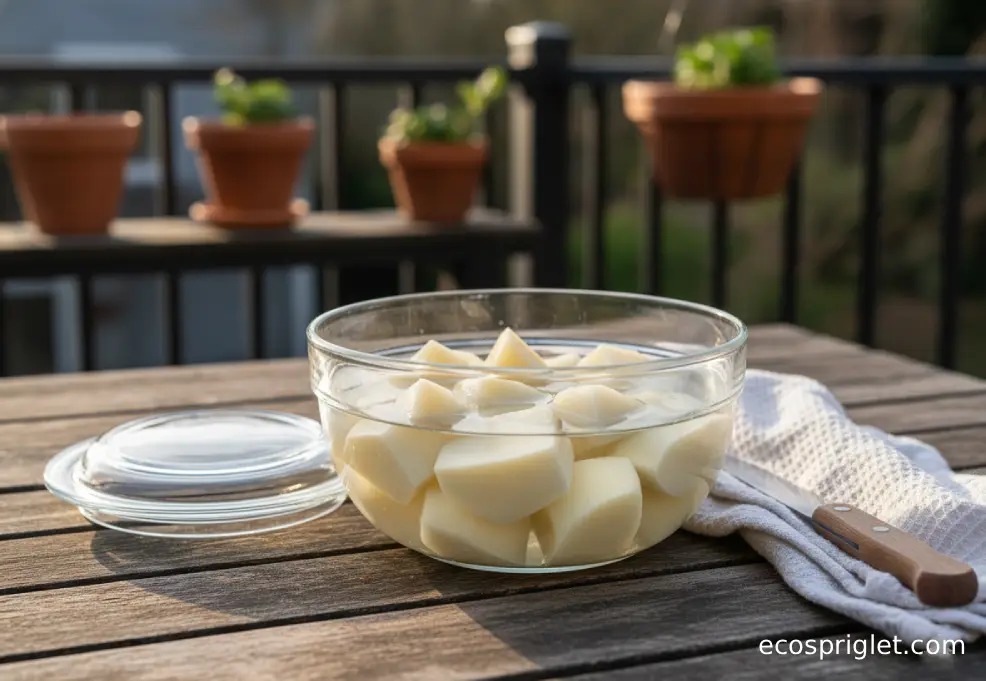
Cut or peeled potatoes: The fridge is your friend. Store them submerged in water, covered, and use within about 24 hours for best quality (texture starts to suffer).
Cooked potatoes (including baked potatoes): Refrigerate promptly and keep the fridge at 40°F or below. Michigan State University Extension notes cooked potatoes should be refrigerated within two hours at 40°F or lower.
How to Store Peeled and Cut Potatoes So They Don’t Turn Brown
If you’re meal-prepping in a small kitchen, this is the cleanest method I know:
- Peel and cut the potatoes.
- Submerge completely in cold water (no exposed surfaces).
- Cover and refrigerate, then use within about 24 hours for best texture.
The Idaho Potato Commission’s guidance is straightforward here: water + refrigeration prevents overnight darkening, and 24 hours is a solid quality target.
Two common mistakes (and easy fixes):
- Wrapping peeled potatoes in plastic and calling it good. Fix: use water—air exposure is what drives the discoloration.
- Soaking for “a few days” and wondering why fries turn soft. Fix: keep it to a day for best texture; longer soaking can waterlog the surface.
How to Store Baked and Cooked Potatoes Safely
Cooked potatoes are a different food-safety category than raw ones: once cooked, they’re moist, neutral in pH, and much more likely to support bacterial growth if held warm too long. Michigan State University Extension recommends cooling and refrigerating cooked potatoes within two hours, at 40°F or below.
Here’s the practical routine I use:
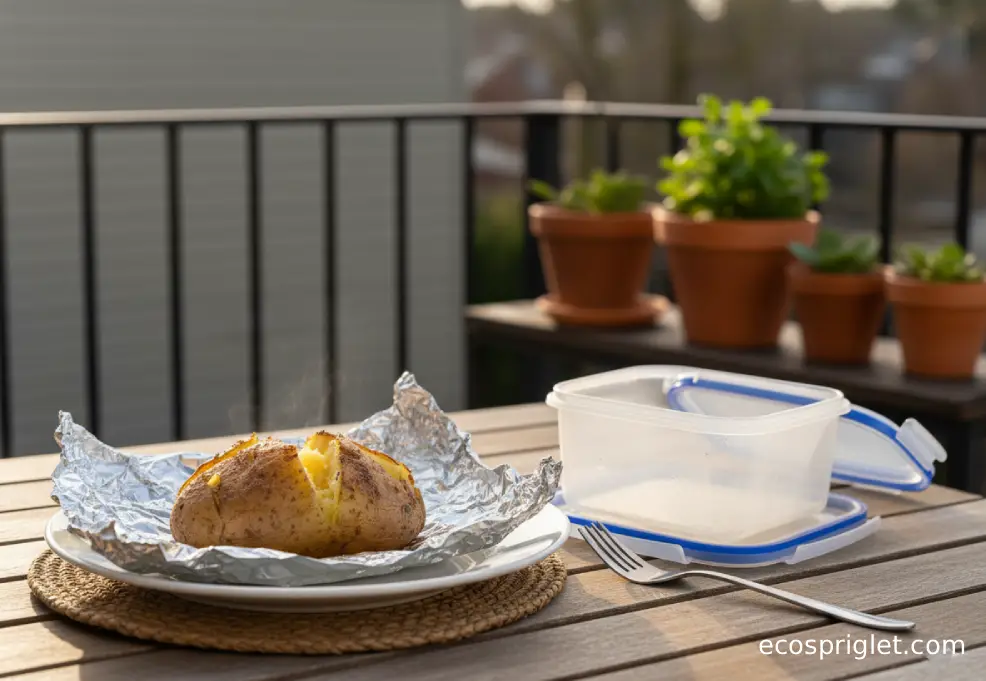
- Cool fast: split big baked potatoes in half so heat escapes quicker.
- Fridge within 2 hours in a shallow container (faster chilling than a deep pile). Foodsafety.gov emphasizes keeping cold foods cold (40°F or under) and refrigerating cooked foods promptly.
- Foil warning: if you baked potatoes in foil, don’t leave them wrapped at room temperature. Foodsafety.gov’s botulism materials list baked potatoes in foil as a risk scenario; remove foil, cool, and refrigerate.
For leftovers, use your senses first, but as a general rule, many food-safety references (including the FoodKeeper resource mentioned by Iowa State Extension) treat cooked leftovers as a “use within a few days” situation, not a week-long storage plan.
How to Store Potatoes and Onions Without Making Both Go Bad Faster
Potatoes and onions look like they belong together because they both like cool, dark storage. But Iowa State Extension specifically calls out that potatoes should not be stored with onions, because storing them together shortens shelf life.
The apartment-friendly solution is boring-but-effective:
- Keep them in separate breathable containers (two baskets, two paper bags, two bins).
- Give them distance: different shelves, different cupboards, or opposite ends of a pantry.
- Also keep potatoes away from ripening fruit (like apples), which can promote sprouting. Iowa State Extension mentions ethylene from fruit as a sprouting trigger.
If you want a tidy system, pair this with a simple “use-first” bin for the older potatoes.
Common Mistakes New Apartment Cooks Make With Potato Storage
I’ve watched friends do every one of these (and yes, I’ve done most of them myself):
- Storing potatoes in bright light (countertops, open bowls): leads to greening. Keep them dark.
- Stashing them in sealed plastic: traps moisture and speeds rot. Go breathable (paper, mesh, ventilated bin).
- Parking them near the oven or dishwasher: warmth encourages sprouting. Above ~50°F, sprouting risk climbs.
- Mixing potatoes with onions: shortens shelf life for at least one of them.
- Leaving foil-wrapped baked potatoes out: remove foil, cool, refrigerate promptly.
If your potatoes keep sprouting no matter what, it’s often just heat. In summer, my “cool cupboard” isn’t cool anymore, so I switch to buying smaller quantities and using them faster. It’s not glamorous advice, but it works.
Quick Troubleshooting: Keep, Trim, or Toss?
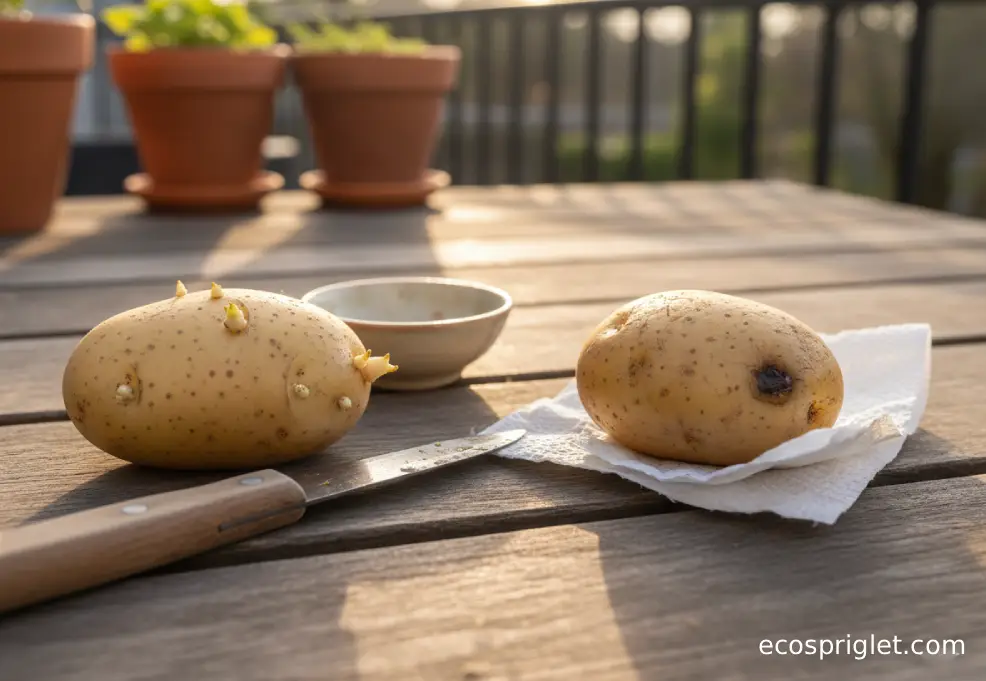
- Small sprouts + firm potato: usually a “trim and use soon” situation. Remove sprouts and cook promptly.
- Green patches: trim deeply. If a potato is very green, bitter, or you see widespread green under the skin, toss it. Iowa State Extension emphasizes dark storage to prevent greening and notes quality issues tied to temperature and conditions.
- Soft, wrinkled, wet, or foul-smelling: toss. One rotten potato can take others down with it, so remove it immediately.
- Sweet taste or dark browning during cooking after fridge storage: likely sugar buildup from cold storage; Iowa State Extension notes the “sweet” effect when stored too cold and suggests holding at room temp a few days before use to improve flavor.
Small-Space Storage Upgrades That Make a Big Difference
If you want potatoes to last longer without turning your kitchen into a root cellar cosplay, these upgrades help:
- Add airflow: swap a bowl for a mesh bag or ventilated bin.
- Chase the coolest microclimate: an interior closet floor often runs cooler than a kitchen cabinet above appliances.
- Use “first out” cooking: keep a small counter bowl of just 2–3 potatoes you plan to cook next, and leave the bulk stash dark and cool.
And if you’re growing potatoes in containers (it’s more doable than people think), long-term keeping quality starts with harvest timing and curing—see Growing Spuds in Containers for the balcony angle.
Storing potatoes well is less about a perfect temperature and more about consistent habits: darkness, ventilation, and keeping them away from heat and moisture. For most apartment kitchens, the best way to store potatoes is a breathable bag or bin in the coolest dark spot you have—then a quick weekly check to pull anything turning soft.
If your potatoes are from the garden, curing is the step that turns “good for a couple weeks” into “good for months,” and multiple Extension programs back that up with practical guidance.
Sweet potatoes deserve their own lane: keep them warmer (around 55–60°F) and out of the fridge to avoid chilling injury and off textures.
For food safety, treat cooked potatoes like any other leftover: cool and refrigerate within two hours and keep the fridge at 40°F or below. And if foil-wrapped baked potatoes are involved, unwrap before chilling—simple move, big safety win.