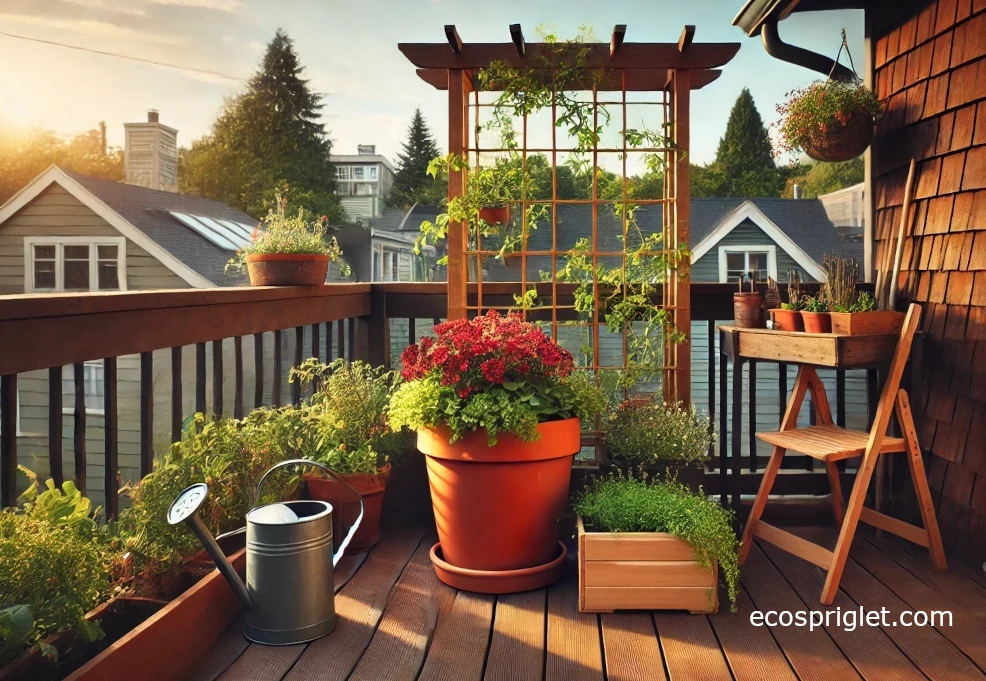
If you’ve got a balcony, a sunny stoop, or even a bright window and a stubborn streak, you can absolutely try growing potato plants in pots. The big win with growing potatoes in containers is control: you pick the soil, you manage moisture, and you harvest without digging up your whole life. The big challenge is also control—containers dry out faster, overheat faster, and punish “I’ll water tomorrow” habits.
I grow a lot of food in small spaces in Portland, and potatoes are one of those crops that feel like magic the first time you dump out a bag and find real spuds staring back. This guide walks you through container choice, seed potato prep, the “hill as you go” method, watering and feeding, and harvesting without heartbreak. I’ll also tackle the most searched small-space question: can you grow potatoes indoors? (Yes… with caveats.) Along the way, I’ll point out beginner mistakes I’ve made so you don’t have to repeat them.
Pick the Right Pot, Bag, or Tub (Size Matters More Than You Think)
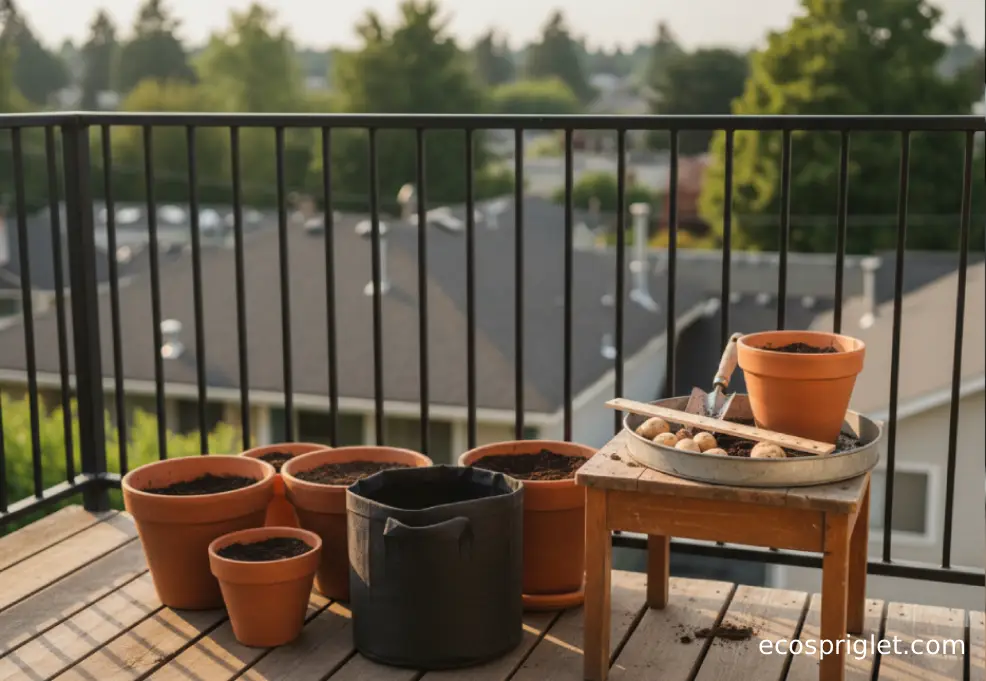
For planting potatoes in planters (or buckets, bags, and tubs), think “wide and deep enough to stay evenly moist.” Most balcony growers do best with a container in the 10–15 gallon range and at least about 2–3 feet tall if you’re using a taller bag or tub—tall enough to mound soil as plants grow, but not so tall that watering becomes uneven. Sources: UNH Extension.
If you want a simple rule that rarely backfires: one plant per ~5–7 gallons is a comfortable density in containers. If you crowd them, you may still get potatoes, but they tend to be smaller and you’ll fight moisture problems.
| Container Type | Good Size for Beginners | How Many Seed Pieces | Best For |
|---|---|---|---|
| Fabric grow bag | 10–15 gallons | 2–3 | Easy harvest, good drainage |
| Plastic tub / bin (food-safe) | 10–15 gallons | 2–3 | Holds moisture longer (needs drainage holes) |
| Large pot / planter | 10+ gallons | 1–2 | Looks tidy on a balcony |
| 15-gallon container | 15 gallons | 3–4 | Max yield in one vessel |
Beginner mistake to avoid: “I’ll just add rocks at the bottom for drainage.” Don’t. It can create a perched water layer that keeps roots wetter, not drier. Use drainage holes and a quality potting mix instead. Sources: Washington State University Extension (container drainage myth).
Quick setup tip: if your balcony gets hot afternoon sun, lighter-colored containers stay cooler. If it’s windy, heavier pots or bags snugged into a crate are less likely to tip.
Choose Seed Potatoes and Varieties That Behave in Containers
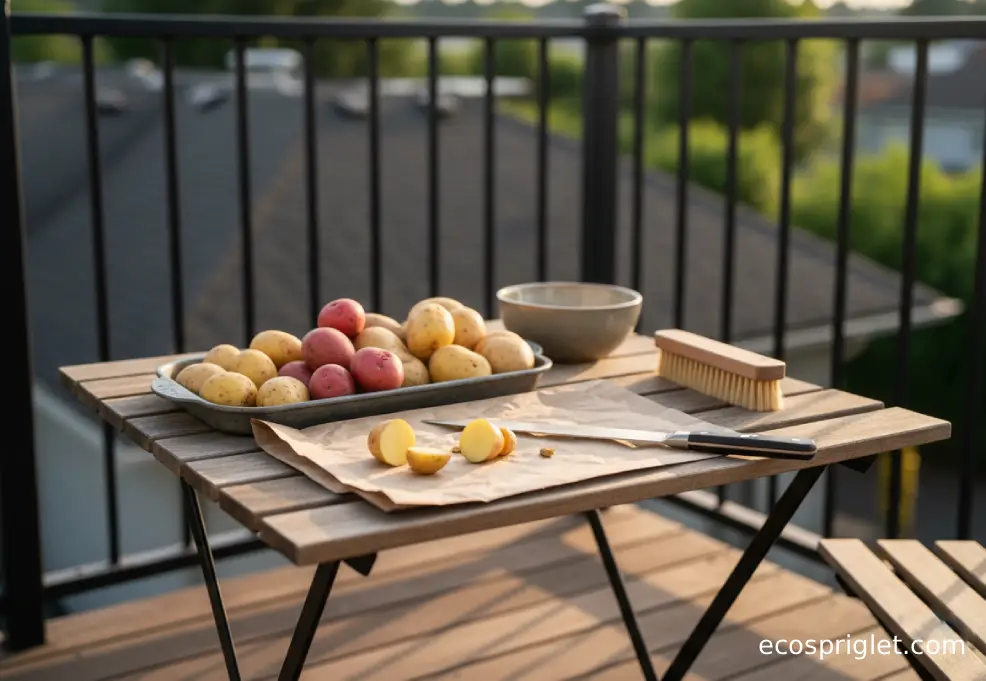
For planting a potato in a pot, start with certified seed potatoes if you can. Grocery-store potatoes can carry diseases or be treated to slow sprouting, and the risk just isn’t worth it in a small container where problems spread fast. Sources: UF/IFAS Extension; Ask Extension.
Variety choice is mostly about timing and space:
- Early / “new potato” types tend to fit container life nicely because they finish faster.
- Fingerlings are great in bags and tubs—fun shapes, usually good yields in tight quarters.
- Maincrop / storage types can work, but you’ll need consistent watering and patience.
If you’re cutting larger seed potatoes: aim for pieces with at least one or two “eyes,” then let the cut sides dry for a day or so (in a cool spot) to reduce rot risk. Don’t overthink it—just don’t plant freshly cut, wet pieces straight into cold, soggy mix.
Optional but helpful: pre-sprouting (“chitting”) in a bright, cool place can give plants a head start. Sources: University of Minnesota Extension (green sprouting/chitting discussion).
Planting Potatoes in Planters, Bags, or Tubs (My No-Fuss Method)
I remember the first time I tried planting potatoes in bags—I got overexcited and filled the whole bag with soil right away. The plants grew, sure, but I missed the whole advantage of containers: you can mound soil gradually and keep tubers covered. Now I do it the boring, reliable way.
Step-by-step (works for pots, bags, and tubs):
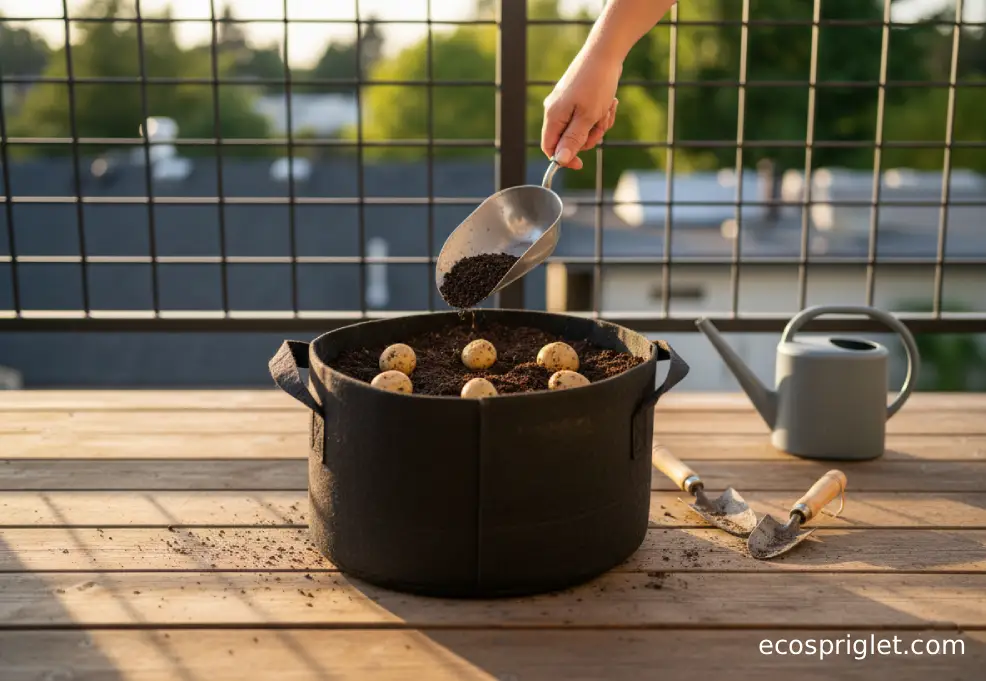
- Start with 6–8 inches of potting mix in the bottom of your container.
- Set seed potatoes on top (don’t cram them). In a 15-gallon container, 3–4 seed pieces is a sensible maximum. Sources: Ask Extension.
- Cover with another 6–8 inches of mix and water thoroughly.
- Place in full sun when possible—at least 6 hours/day, and 8–10 is even better if you have it. Sources: UMD Extension; UNH Extension.
My little “container insurance” move: I water once to settle the mix, then I wait and water again only when the top layer starts to dry. Overwatering early is how seed pieces rot in containers.
Soil tip: use a quality potting mix (not heavy garden soil). If you want to lighten it, mixing in some perlite is fine—just keep the mix sturdy enough to hold moisture and nutrients. Sources: NC State Extension (container basics).
Care Through the Season: Watering, Feeding, and Sun Without Drama
Potatoes are surprisingly chill plants—until they’re in containers. Then they become honest: if you miss watering, they’ll show you fast. The goal is even moisture, not swampy soil.
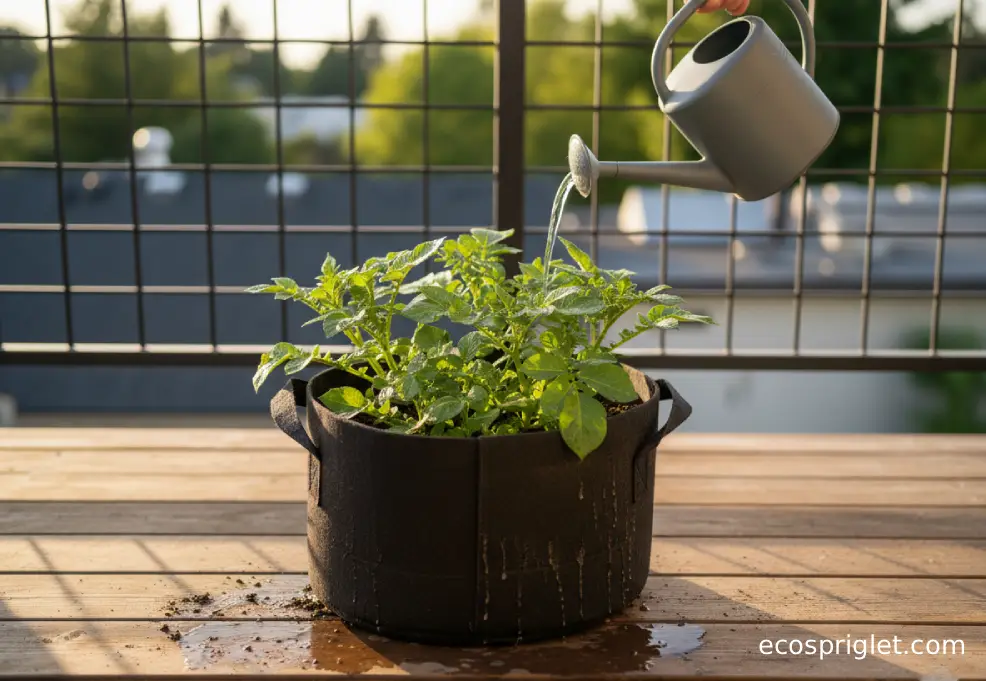
Watering norms that work in small spaces: check moisture with your finger and water when the soil feels dry about 1 inch below the surface. Water deeply so the whole container is moistened and excess can drain. Sources: University of Nevada, Reno Extension (watering rule of thumb).
Sun: full sun is best. If you only get 4–5 hours, you can still grow foliage, but yields usually drop. If you’re choosing between a hot, reflective spot and a slightly shadier, cooler one, I’ll take cooler with decent light—heat stress in containers is real.
Feeding: containers leach nutrients. A simple approach is to blend in compost at planting, then use a balanced fertilizer lightly once plants are established. If you see lots of leaves and very few flowers (or weak growth), back off the nitrogen and keep watering consistent.
Hilling in Containers and Preventing Green, Bitter Tubers
Hilling is the container potato “secret sauce.” Tubers form along buried stems, and keeping them covered also prevents greening. When potatoes are exposed to light, they can turn green and develop higher levels of glycoalkaloids like solanine—best avoided. Sources: NDSU Extension; UAF Extension; Oregon State University Extension.
Here’s the timing I use:
- When shoots are about 6–8 inches tall, add potting mix so only the top few inches of leaves remain above the soil line.
- Repeat every week or two until your container is nearly full.
- If you ever see tubers peeking out, cover them immediately.
Beginner mistake to avoid: burying the plant so deeply that you smother all the leaves. You want to cover stems, not erase the plant.
Troubleshooting Container Potato Problems (Before They Ruin the Harvest)
Most container potato problems come from three things: inconsistent watering, poor airflow, or starting with questionable “seed” potatoes.
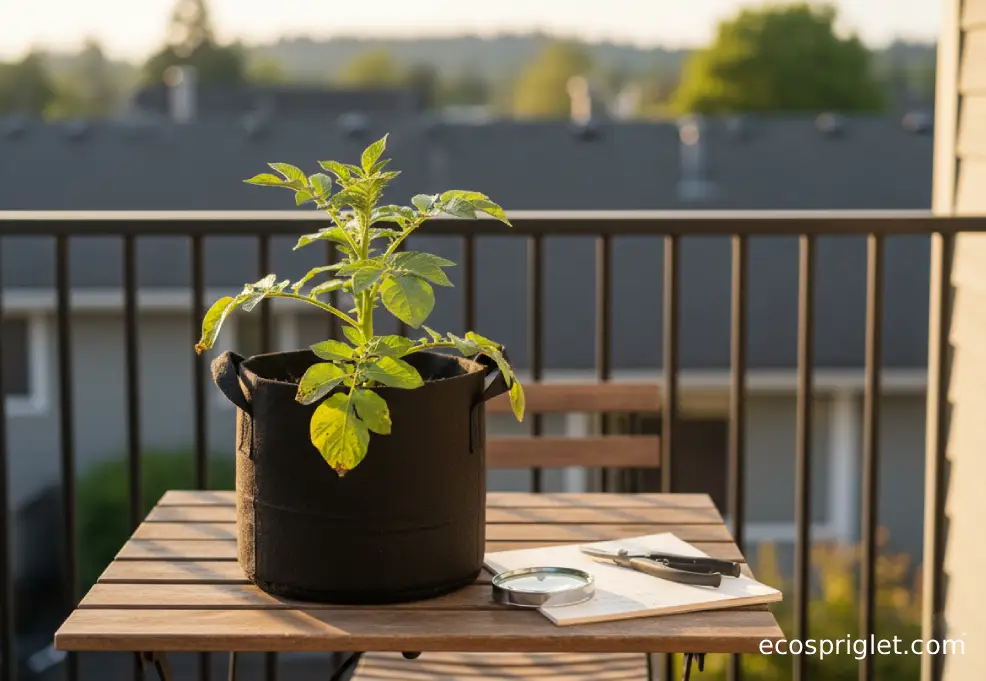
If leaves yellow from the bottom up: it’s often natural aging later in the season, but early yellowing can mean overwatering or nutrient issues. Let the top layer dry a bit between deep waterings, and make sure your container drains freely.
If plants wilt in the afternoon: check the soil. If it’s dry, water. If it’s wet and plants still wilt, you may have heat stress or root trouble—move the container to morning sun/afternoon shade during heat waves if you can.
If you see spots spreading fast: remove the worst leaves and improve airflow. Avoid splashing water on foliage. And if you used grocery-store potatoes, consider starting over with certified seed next season. Sources: UF/IFAS Extension; Ask Extension.
Can You Grow Potatoes Indoors? Yes, but Light Is the Dealbreaker
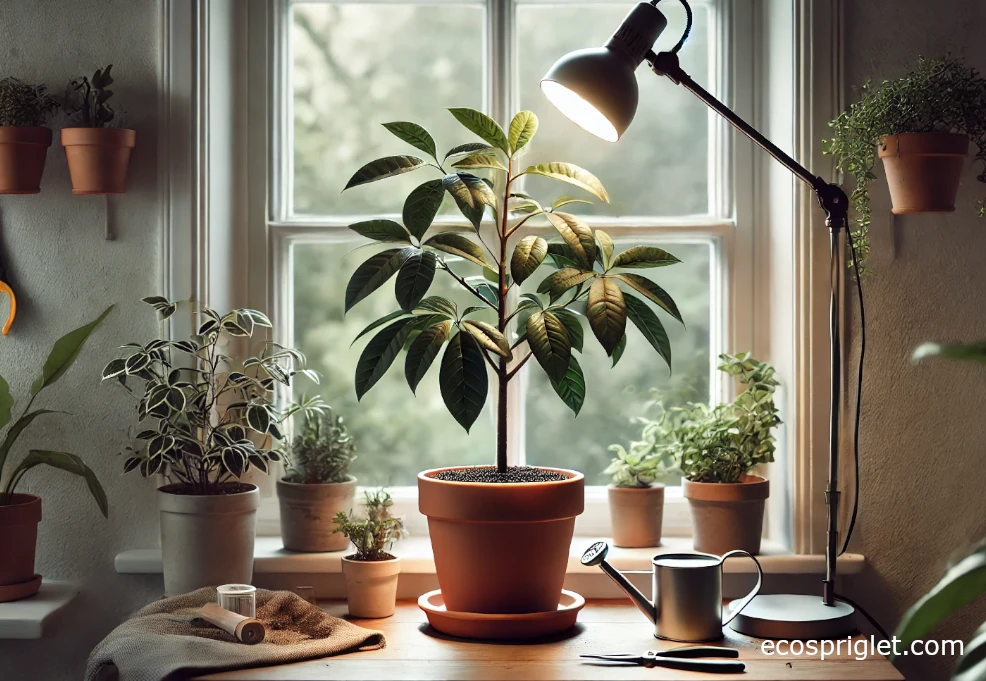
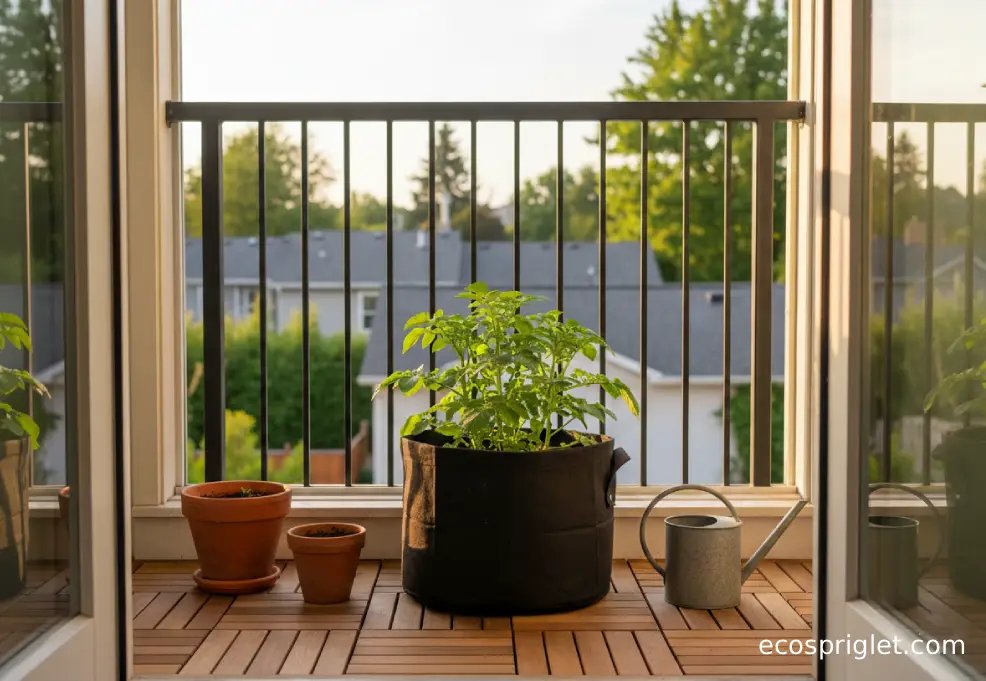
This is the question I hear most from apartment growers: can you grow potatoes indoors? You can, but it’s rarely the easiest way to get dinner. Potatoes want strong light (think full sun outdoors). If you’re trying growing potatoes indoors, you’ll need either a very bright, sunny window or a serious grow light setup to keep plants sturdy rather than spindly.
Indoor success tips:
- Pick a smaller container variety and don’t overcrowd the pot.
- Use a fan on low for airflow (helps reduce disease pressure).
- Be extra careful about overwatering—indoor pots dry slower.
What about “sweet potato vine indoors”?
That’s a different plant (sweet potato, Ipomoea batatas) often grown for foliage. It can make a great sweet potato plant indoors in bright light, but don’t assume an ornamental vine will produce big edible tubers in a small pot. If you grow it around pets, note that sweet potato vine is listed as non-toxic to cats and dogs by ASPCA. Sources: ASPCA.
If indoor growing is your only option, I’d still consider herbs or leafy greens for reliable results. But if you’re set on an indoor potato plant, treat it like an experiment and keep expectations modest.
Harvesting Potatoes From Containers (Without Damaging the Good Ones)
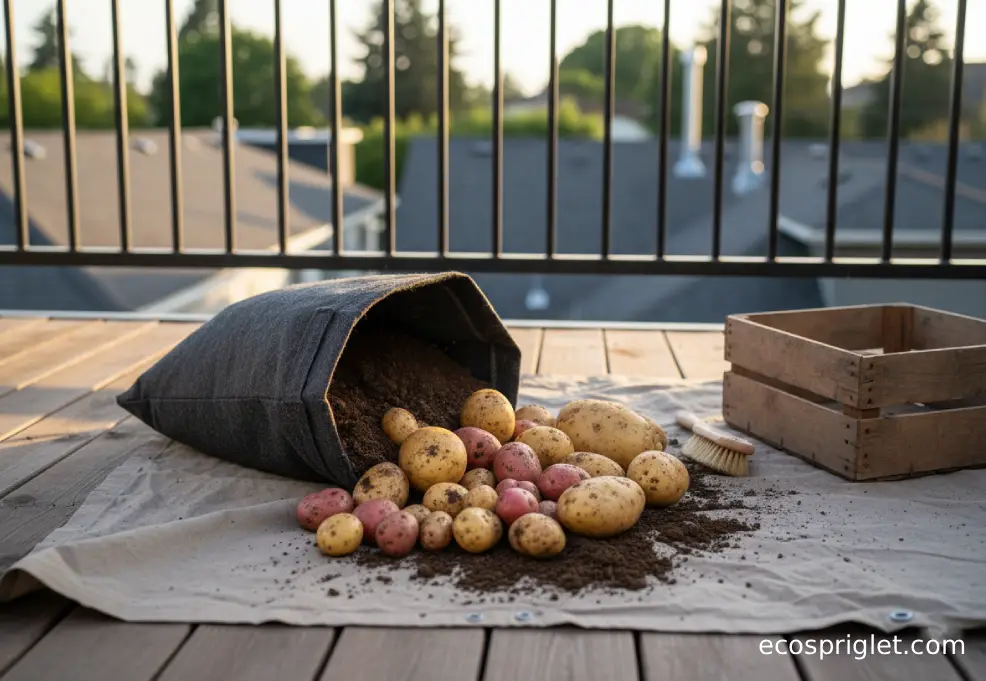
The best part of potatoes grown in tubs (or bags) is harvest day: no digging, just a controlled spill. You’ll usually harvest when plants have flowered and/or when the foliage starts to yellow and die back.
Two harvest styles:
- New potatoes: gently “reach in” and grab a few once plants are established and flowering, leaving the rest to size up.
- Main harvest: wait for the foliage to die back, then dump the container onto a tarp and sort.
Important: if any tubers turned green from light exposure, don’t eat the green parts. Keeping tubers covered during hilling prevents this. Sources: NDSU Extension; UAF Extension.
After harvest, brush off soil and let potatoes dry in a cool, dark, well-ventilated spot for short-term holding. For longer storage guidance, Minnesota Extension notes potatoes store best in cool, dark conditions.
Common Mistakes New Balcony Potato Growers Make
- Using a tiny pot: small containers swing from dry to soggy too fast. Aim bigger (10–15 gallons is a comfortable range). Sources: UNH Extension.
- Adding gravel “for drainage”: it can make drainage worse. Use holes + potting mix. Sources: Washington State University Extension.
- Overcrowding seed pieces: it looks efficient, but it often reduces tuber size and invites disease. Sources: Ask Extension.
- Skipping hilling: exposed tubers turn green from light. Sources: NDSU Extension; UAF Extension.
- Inconsistent watering: container potatoes do best with steady moisture—check about 1 inch down before watering. Sources: University of Nevada, Reno Extension.
I learned the gravel myth the hard way years ago—perfect-looking plants, then a weird wet layer at the bottom and sad roots. Once I stopped “engineering” the pot and just focused on mix + drainage holes, everything got easier.
Small-Space Upgrades That Make Container Potatoes Easier
If you’re serious about how to grow potatoes at home in containers, these small tweaks help a lot:
Mulch the surface. A thin layer of straw or shredded leaves helps slow moisture loss (especially on breezy balconies). Keep mulch back from the main stems to avoid trapping too much moisture right at the crown.
Stabilize tall bags. If you’re using a grow bag, nest it in a crate or between heavier pots so wind doesn’t knock it around when it’s half full of soil.
Try a “two-stage” location. Early season: max sun. Mid-summer heat: morning sun and lighter afternoon exposure if leaves look stressed.
Conclusion: Your First Container Potato Harvest Is Closer Than It Looks
Growing spuds in containers is one of the most satisfying small-space projects I know because the payoff is literal: you tip a bag over and dinner falls out. If you remember just a handful of things, make it these: pick a container with enough volume (10–15 gallons is a friendly range), use a potting mix that drains well, start with certified seed potatoes, and commit to hilling so tubers stay covered and ungreen. Keep moisture steady by checking about 1 inch down—containers punish guesswork, but they reward consistency.
As for the indoor question—can potatoes be grown indoors? Yes, but only if you can provide strong light and keep watering disciplined. If you want a more reliable indoor edible plant, leafy greens are easier. But if you’re itching to experiment, container potatoes can still be a fun winter project with the right setup.
If you try it, take a photo on planting day and another on harvest day. The difference is the whole point.