If you’re craving results fast, you’re not alone. When I first started balcony gardening, I was impatient in the most relatable way: I wanted something to change week-to-week—new leaves, taller stems, a handful of salad greens—anything that made the whole setup feel alive. The good news is that “fast growing plants” absolutely exist for apartment life, but speed looks different depending on where you’re growing. Outdoors in containers, “fast” often means a seed-to-harvest crop you’ll pick within weeks, or a vine that covers a railing in a month or two. Indoors, “fast” is more about steady new leaves when your light and watering are dialed in.
This guide covers quick-return plants you can grow in pots, the best fast growing climbing plants for fences, realistic fast growing privacy plants for balconies, and a grounded answer to what is the fastest growing plant (and what is the fastest growing tree). I’ll also share the practical knobs you can turn to grow faster plants without frying them—because in containers, pushing growth too hard can backfire.
What “Fast Growing” Really Means in Containers
In an apartment setting, the “fast” you feel is usually one of three things:
- Fast from seed to harvest (radishes, baby salad greens, some herbs).
- Fast to fill space (annual vines and climbers that race up a trellis).
- Fast to look bigger (plants that throw new leaves quickly when conditions are right).
The container reality check: root space, light, and watering consistency set the speed limit. A plant can only grow as fast as its roots can support, and pots dry faster than in-ground beds. The trick is picking plants that naturally sprint and giving them enough pot volume to keep sprinting without stress.
Two quick container norms that help almost everything: use a potting mix (not garden soil), and size up your container when in doubt. For many fruiting veggies, Extension guidance commonly lands around a 5-gallon container as a practical minimum. Sources: Texas A&M AgriLife Extension; N.C. A&T Cooperative Extension.
Fast Growing Plants You Can Eat Soon (The “I Want Results” List)
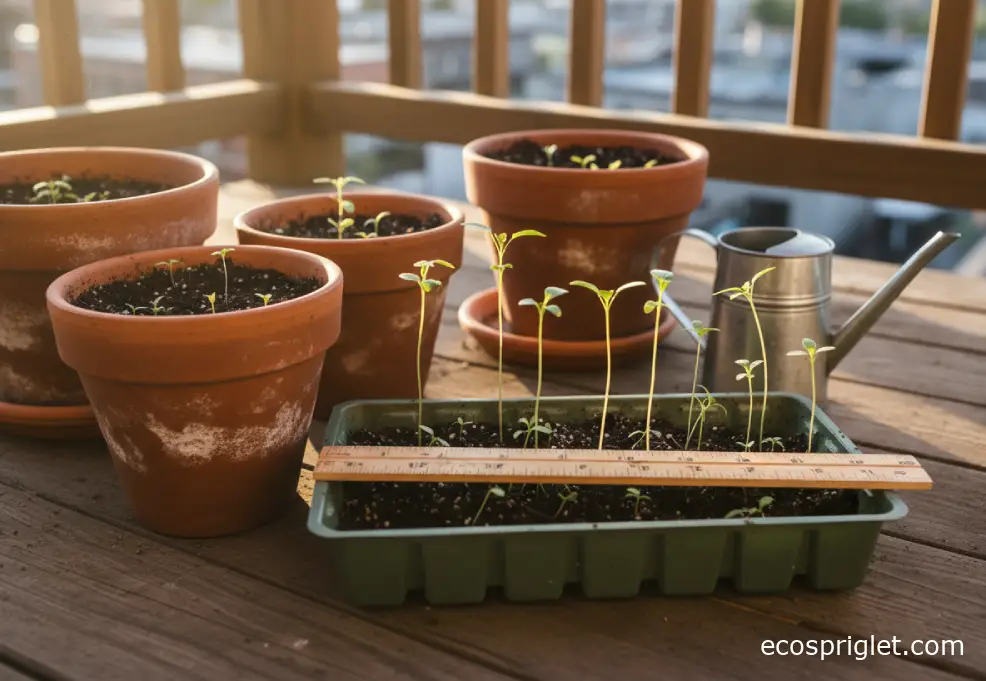
If you want that “wow, it worked” feeling fast, go for crops that don’t need to flower or fruit. Leaf and root crops are your best friends on a balcony.
- Radishes: great in smaller containers and forgiving if you keep moisture steady. Many gardeners get harvestable roots quickly, especially with cool weather.
- Baby salad greens (lettuce mixes, arugula): cut-and-come-again is perfect for small spaces.
- Green onions: steady, easy regrowth from starts or even kitchen scraps if you keep light high.
- Basil (from a starter plant): not instant, but it can bulk up fast with pinching.
Two speed-boosting tips that don’t cause chaos:
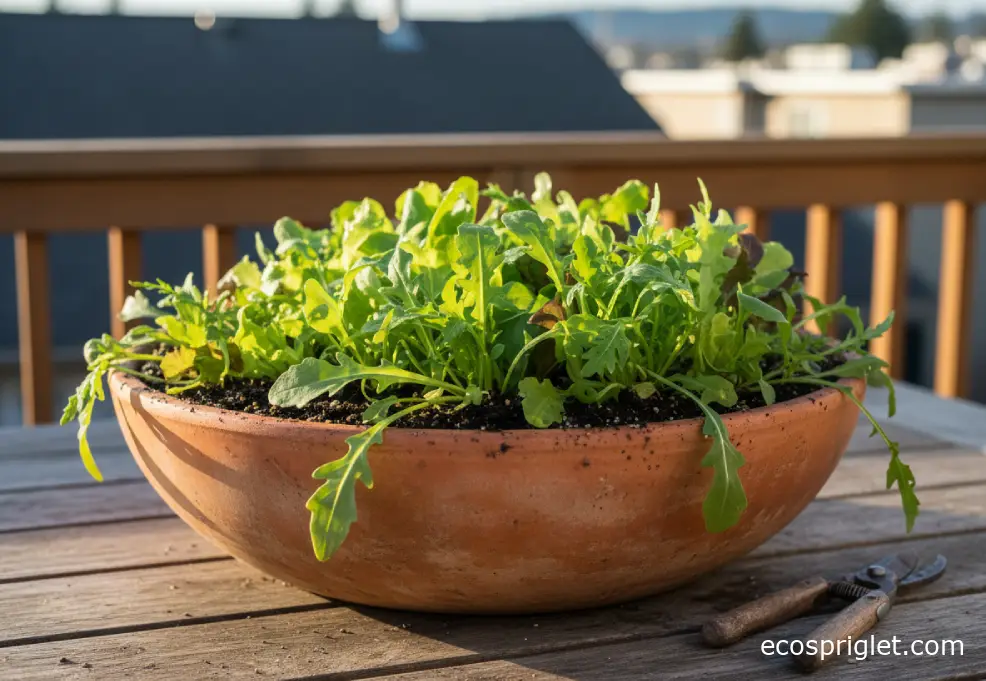
- Plant in a wide container, not a deep one for greens: a bowl or window-box shape gives you more surface area for more plants, which makes it feel “fast” sooner.
- Harvest early and often: for greens and basil, trimming encourages branching. If basil gets leggy, pinch just above a leaf pair and it will usually fork into two new stems.
Common mistake: tiny pots for big dreams. If you’re trying fruiting vegetables like tomatoes or peppers for faster “big plant” growth, use a container around 5 gallons as a baseline so roots can keep up. Sources: Texas A&M AgriLife Extension; N.C. A&T Cooperative Extension.
Fast Growing Climbing Plants for Fences and Railings
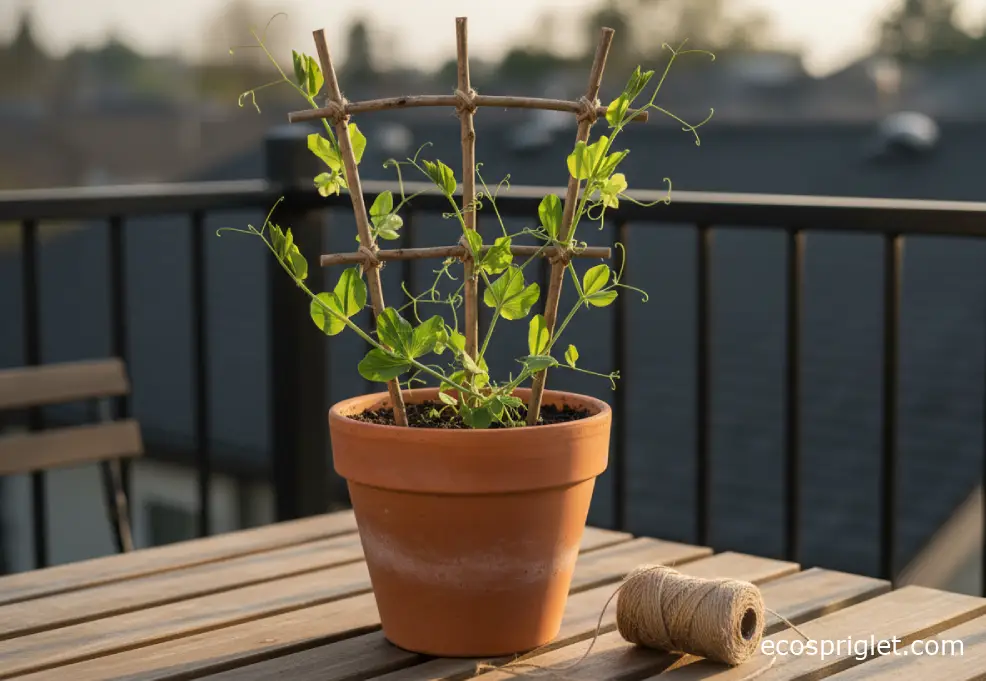
For quick vertical coverage, annual climbers are usually the fastest route—especially from seed. The Royal Horticultural Society highlights annual climbers like sweet peas that can climb up to around 10 ft in a season with support. Source: RHS.
Fast, balcony-friendly climber ideas: sweet pea, climbing nasturtium, and other annual climbers that grab a trellis quickly (plus plenty of regional options depending on your climate). For smaller indoor spaces, trailing indoor plants can add a similar cascading look without needing outdoor railings or trellises. Source: RHS.
Two practical trellis tips (so “fast” doesn’t turn into “flopped over”):
- Anchor the trellis to the pot, not just the soil. Push legs down to the container bottom and firm the mix around them; if your balcony is windy, add a second tie point to the railing (without damaging the railing).
- Train early: when vines are 6–10 inches long, gently loop them to the support with soft ties. Waiting until they’re long makes them snap-prone.
Common mistake: choosing an aggressive vine without checking local guidance. Some climbers can self-seed or spread in ways you won’t love. If you’re unsure, stick with well-behaved annuals and treat them as seasonal.
Fast Growing Privacy Plants for Balconies (Without Planting a Forest)
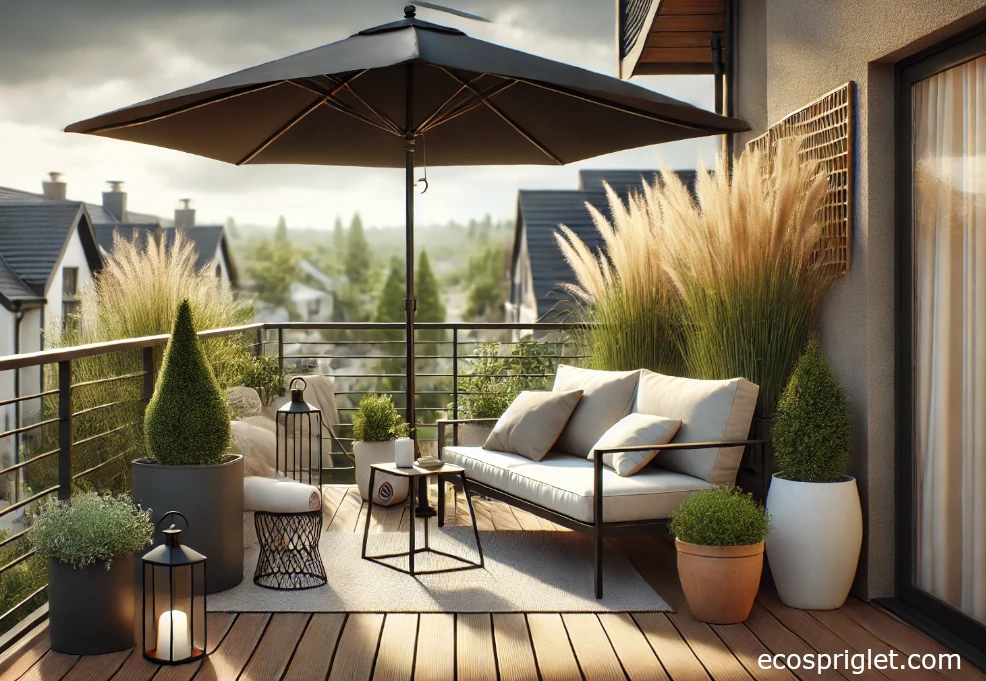
When people ask for fast growing hedge plants or fast growing privacy plants, they’re often picturing in-ground hedges. On a balcony, the better mental model is a row of tall containers that makes a living screen.
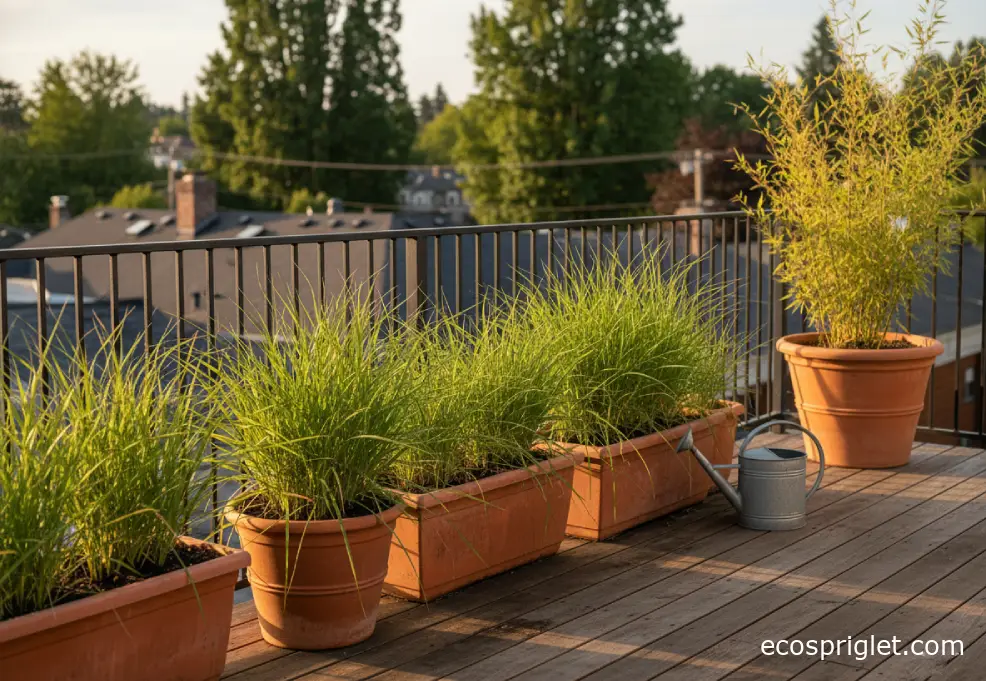
One of the quickest “privacy” looks in pots: upright grasses plus one or two larger accent plants. If you want bamboo for privacy, choose clump-forming types and commit to a big container. The RHS suggests using a container at least about 18 inches across and deep for smaller bamboos, with repotting or dividing every few years. Source: RHS.
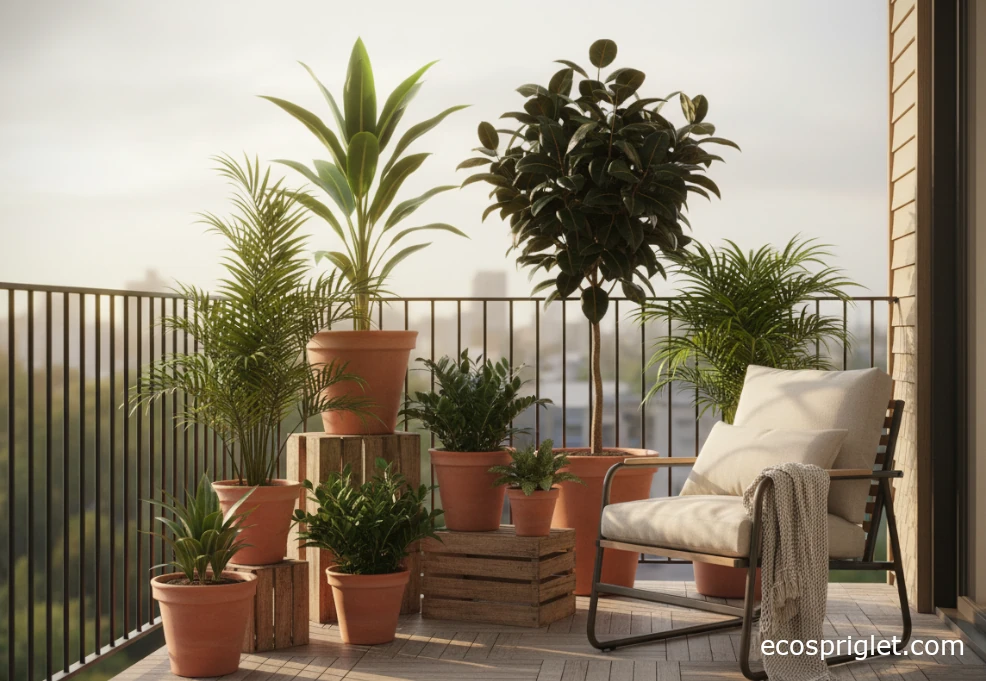
My balcony reality tip: it’s usually easier to get a fast screen with multiple medium-tall planters than with one monster plant. You can move them, rotate for even growth, and replace a struggler without losing the whole setup.
Common mistake: under-watering screens in summer. A wall of foliage is basically a sail in the wind, and wind dries pots fast. If a heat wave hits, check moisture daily—especially for grasses and bamboo in full sun.
Fast Growing Indoor Plants That Feel Rewarding
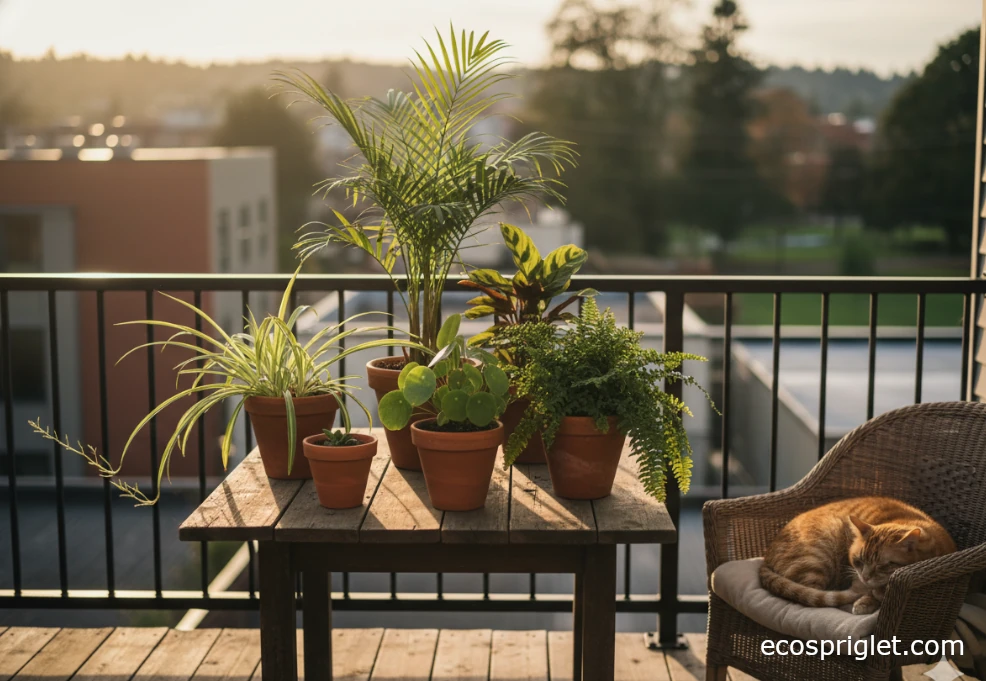
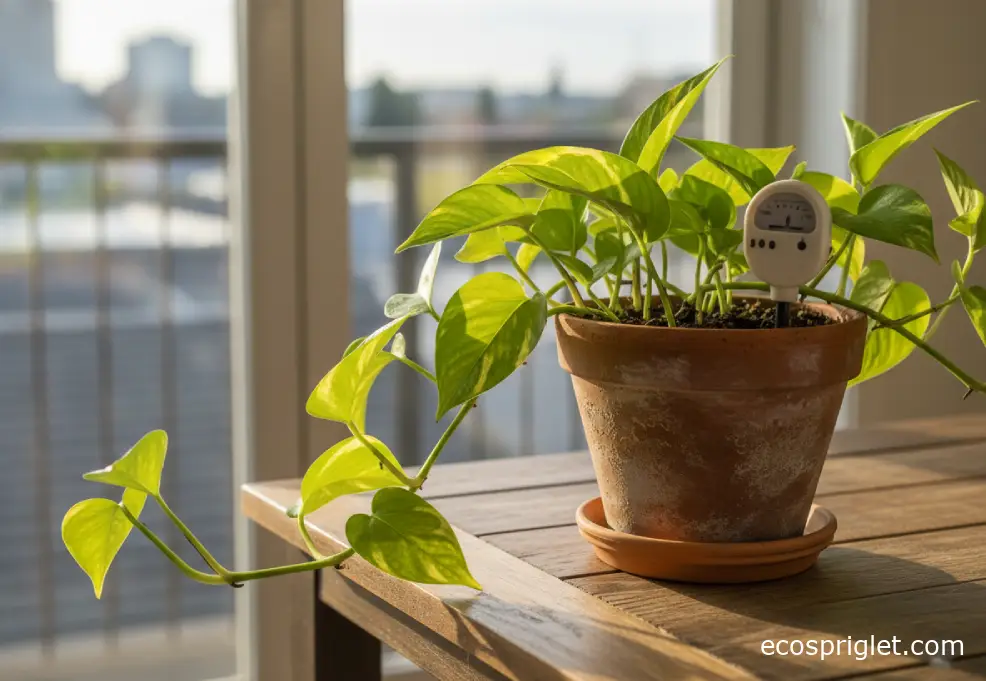
Indoors, “fast growing indoor plants” usually means plants that keep producing new leaves even when the light isn’t perfect. A few classics: pothos, spider plant, tradescantia, and many philodendrons. They respond quickly when you give them brighter indirect light and consistent watering.
Two indoor speed tips I wish I’d learned earlier:
- Move the plant closer to light in winter: even a couple feet can change growth rate. If you can comfortably read a book there during the day, many foliage plants will do better there too.
- Don’t “sip-water”: water thoroughly until excess drains out, then wait until the top layer dries before watering again. This encourages roots to explore the pot instead of staying shallow.
About snake plants: people ask “how fast do snake plants grow?” and the honest answer is: usually slow and steady indoors. They’re fantastic for low-maintenance homes, but not the quickest visual payoff. Also, snake plants are toxic to cats and dogs if chewed, so place them accordingly.
Grow Faster Plants With These 6 Levers (Without Overdoing It)
If your goal is to grow faster plants, you’re mostly adjusting environment—not “cheering louder.” Here are the levers that matter most in containers:
- Light: more light usually equals faster growth. For outdoor pots, full sun often means 6+ hours of direct sun; indoors, bright indirect light is the sweet spot for many foliage plants.
- Container size: bigger root volume supports faster top growth. For many fruiting veggies, a 5-gallon container is a common baseline. Sources: Texas A&M AgriLife Extension; N.C. A&T Cooperative Extension.
- Warmth: most warm-season plants stall if nights stay cool. If spring is chilly, wait or protect plants—growth speed jumps when temperatures are stable.
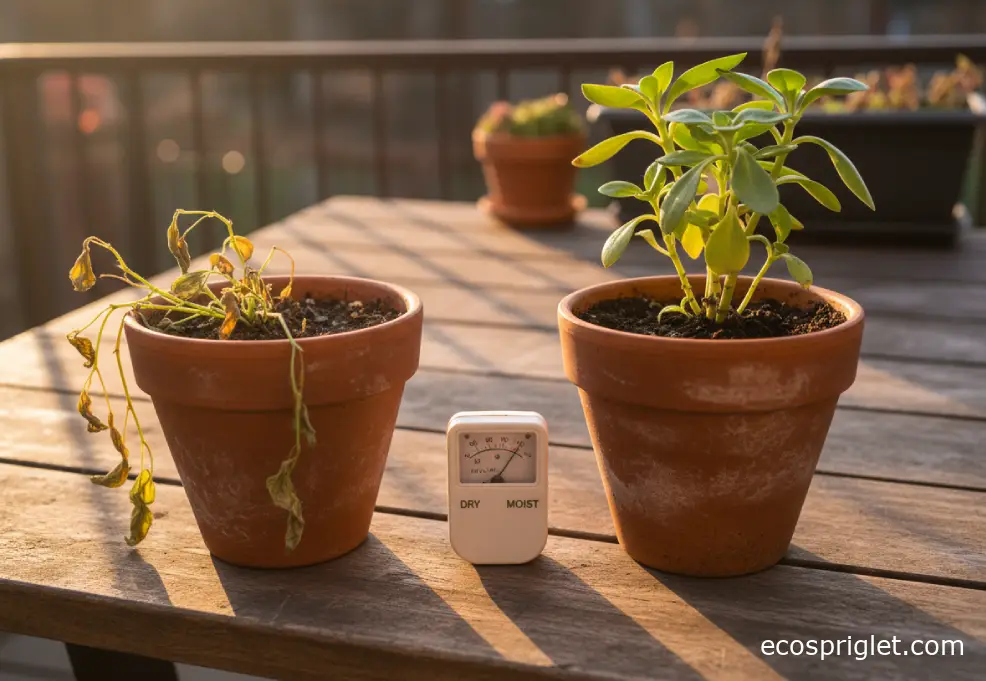
- Water consistency: big swings (bone-dry to soaked) slow growth and cause problems. Check moisture with your finger: if the top 1–2 inches are dry, it’s usually time to water for many container plants.
- Nutrition: use a slow-release fertilizer at planting or a light, regular liquid feed during active growth—especially for fast growers in small pots where nutrients wash out.
- Air and spacing: crowded plants look lush until mildew or pests arrive. Give leaves room to dry and breathe.
Common mistake: “more fertilizer = more fast.” Overfeeding in containers can scorch roots and stall growth. If you’re trying to speed things up, increase light first, then pot size, then feeding.
What Is the Fastest Growing Plant in the World?
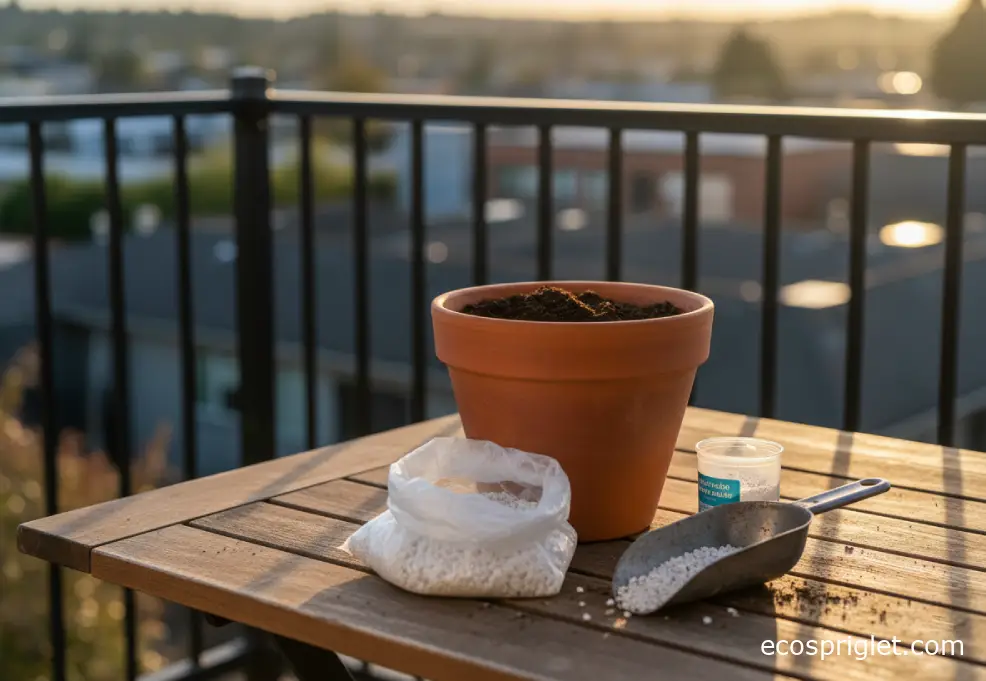
For “what is the fastest growing plant on earth,” bamboo is the name that keeps winning the conversation. Guinness World Records notes that certain bamboos have been measured growing up to about 35 inches in a day under ideal conditions. Source: Guinness World Records.
Two important context notes for apartment gardeners:
- That record speed is situational (right species, climate, season, and established plants). A potted bamboo on a balcony won’t hit world-record numbers.
- Choose clumping bamboo for containers and go big on the pot. The RHS suggests around 18 inches across and deep for smaller bamboos. Source: RHS.
What Is the Fastest Growing Tree? A Practical Answer (And a Warning)
If your question is “what is the quickest growing tree” or “what are fast growing trees,” poplars often show up near the top. Extension-based forestry resources note poplars can grow roughly 5–10 feet per year depending on variety and conditions, and Oregon State University has described hybrid poplars as “explosive” under good conditions (including around 10 feet in a first year scenario).
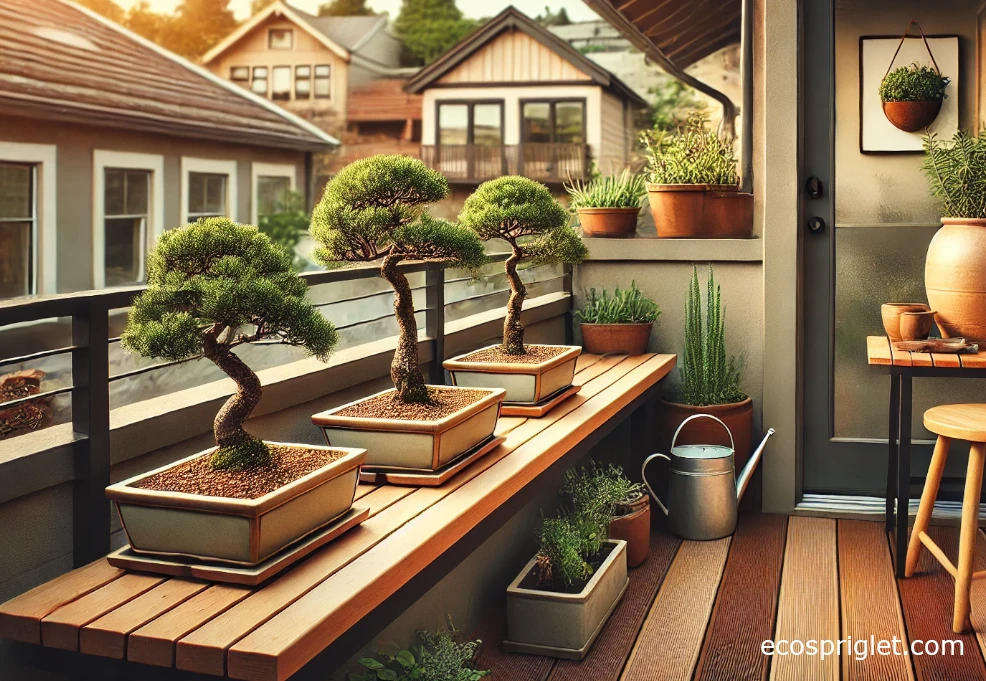
The warning: the fastest growing tree is rarely the best choice for a small home landscape, and it’s almost never a great match for an apartment balcony. Fast growth can come with tradeoffs like weak wood, aggressive roots, or short lifespans. If you truly want a “tree in a pot” for a balcony, you’ll usually get better results with dwarf or slow-to-moderate trees that tolerate container life—because long-term pot health matters more than speed.
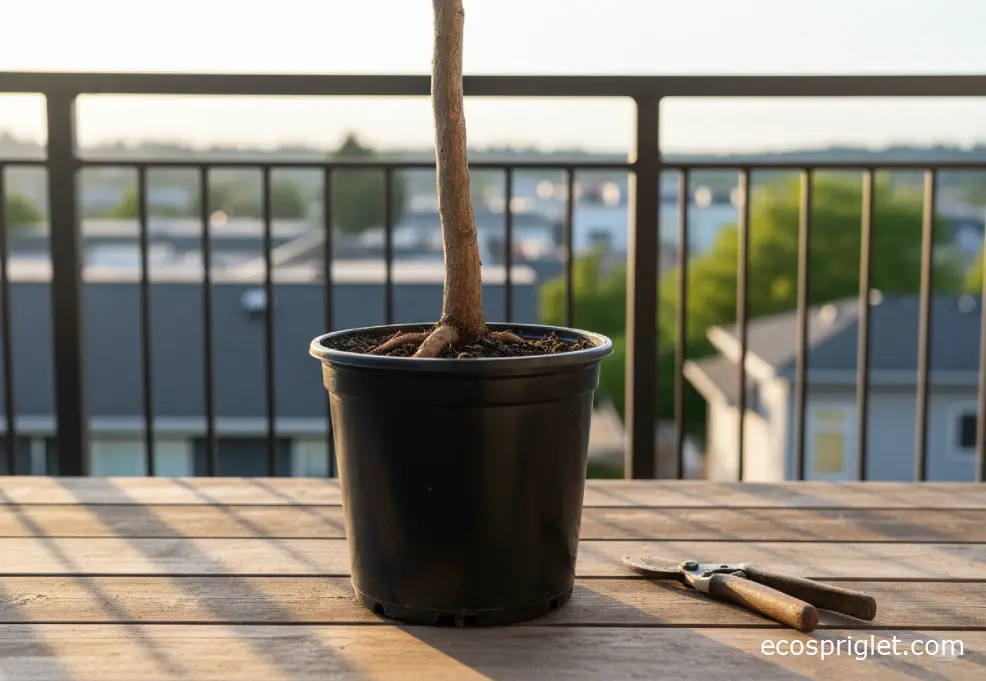
Buying tip that protects you for years: learn to spot the root flare (the trunk widening at the base) and avoid trees planted too deep in their nursery pot. Planting too deep can cause long-term decline.
Where to Buy Trees Near You (And How to Choose a Good One)
For “where do I buy trees” and “where can I buy trees near me,” I like to think in tiers:
- Independent nurseries: often the best plant quality and the best advice for your area.
- Local Extension/Master Gardener plant sales: great value, and you can ask nerdy questions without feeling weird about it. Source example: OSU Extension’s plant sale listings.
- Big-box garden centers: convenient, but you’ll want to inspect roots and structure carefully.
How to pick a quality tree (quick, high-impact checks):
- Ask to slide the plant out of the container and inspect roots; avoid thick circling/girdling roots when possible. Source: University of Maryland Extension.
- Look for a visible root flare and avoid trees buried like a telephone pole. Source: Colorado State Forest Service.
- Choose the right size: a slightly smaller, healthy tree often establishes better than an oversized, stressed one. Source: UF/IFAS (Selecting quality trees from the nursery).
If you’re shopping online, look for nurseries that ship with clear sizing, a guarantee, and region-appropriate stock. And if you’re planting on a balcony, double-check your building rules and the realistic weight of large containers when saturated with water.
Common Mistakes New Balcony Gardeners Make (And the Fixes)
I’ve made every one of these at least once (and yes, I still occasionally catch myself doing the “just a splash of water” thing when I’m busy).
- Mistake: Choosing “fast” plants but giving them low light.
Fix: Move outdoor pots to the sunniest spot; indoors, place plants nearer a bright window. - Mistake: Pots that are too small, which forces constant watering and stalled growth.
Fix: Size up—especially for heavy feeders. A 5-gallon container is a common baseline for many fruiting veggies. Sources: Texas A&M AgriLife Extension; N.C. A&T Cooperative Extension. - Mistake: Overfeeding to “push” growth.
Fix: Increase light and pot size first; feed lightly and consistently rather than heavily and rarely. - Mistake: Buying a tree with hidden issues (buried flare, circling roots).
Fix: Inspect root flare and roots before purchase. Sources: Colorado State Forest Service; University of Maryland Extension.
Conclusion: Pick the Right Kind of Fast, Then Support It
Fast growing plants are a lot more satisfying when “fast” matches your space. If you want quick wins, lean into greens and radishes, then add climbers for instant vertical drama. If privacy is the goal, think in rows of planters—grasses and clumping bamboo can make a balcony feel calmer and more secluded, but only if you give them real container volume and stay ahead of watering. Indoors, the fastest growers are the ones that get enough light to keep making new leaves, week after week.
And about the big internet questions: the fastest growing plant in the world is commonly credited to bamboo at record-setting rates under ideal conditions, while some poplars are among the fastest-growing trees in the right outdoor settings—but those aren’t automatically the best picks for apartment life. In containers, “fast” comes from smart plant choices plus basics done well: enough light, enough pot, consistent moisture, and gentle feeding.