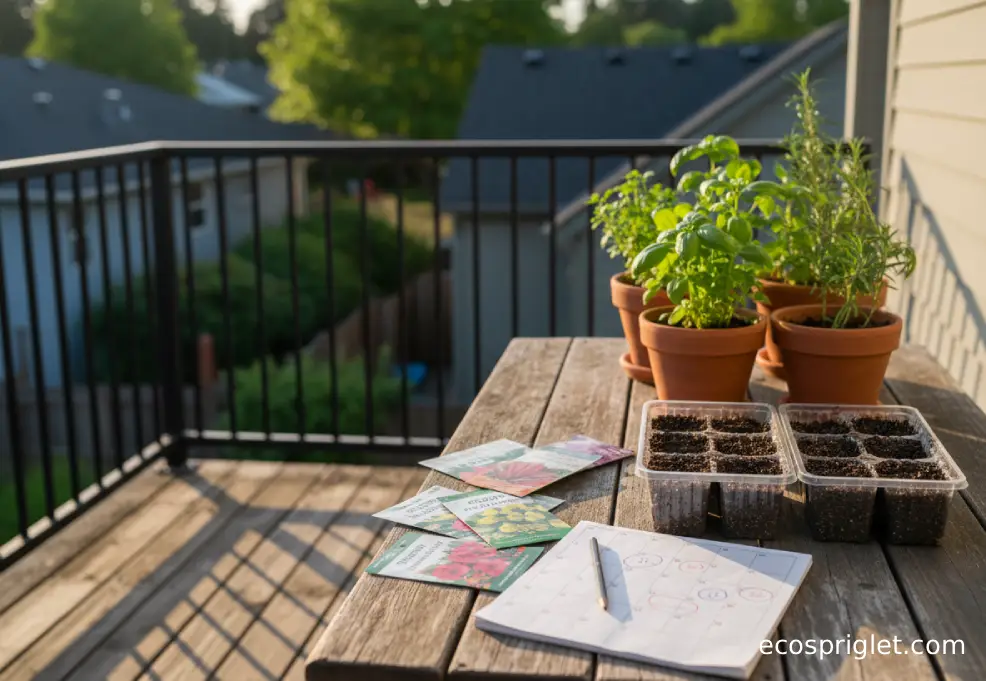
Winter can feel like the long pause between gardening seasons—especially when you’re staring at a gray balcony railing and a few sleepy pots. But there’s a nice little secret: plenty of winter flowering plants are perfectly happy in containers, and some of the most dependable flowers that bloom in winter don’t mind cold nights at all.
I’m in Portland, so I’m used to wet winters, sudden cold snaps, and the occasional week where the sun seems like a rumor. What’s worked best for me is treating winter blooms like a “microclimate project”: choose plants that match your light, keep roots from sitting soggy, and use the warmth of your building to your advantage. The payoff is real—winter blooming flowers can carry you through the dark months, and late-winter bloomers (think snowdrops and crocuses) make your space feel alive again before spring officially shows up.
What Counts as a “Winter Bloom,” Really?
In normal conversation, “winter flowers” can mean three different things, and knowing which one you’re shopping for saves a lot of frustration:
- True winter bloomers: plants that can flower in the coldest part of winter during mild spells (common in many climates).
- Late-winter bloomers: flowers that bloom in late winter into early spring (this is where snowdrops and crocuses shine). The RHS notes crocuses commonly flower in late winter to early spring.
- Indoor winter bloomers: houseplants or “forced” bulbs that flower indoors when it’s freezing outside (paperwhites and florist cyclamen are classics). Missouri Botanical Garden notes paperwhites and amaryllis can be forced for indoor bloom without a cold period.
On a balcony, the line between “winter” and “late winter” matters because pots cool down faster than the ground. The trick is choosing plants whose roots tolerate cold and giving them a container setup that drains well.
Best Winter Blooming Flowers for Small-Space Containers
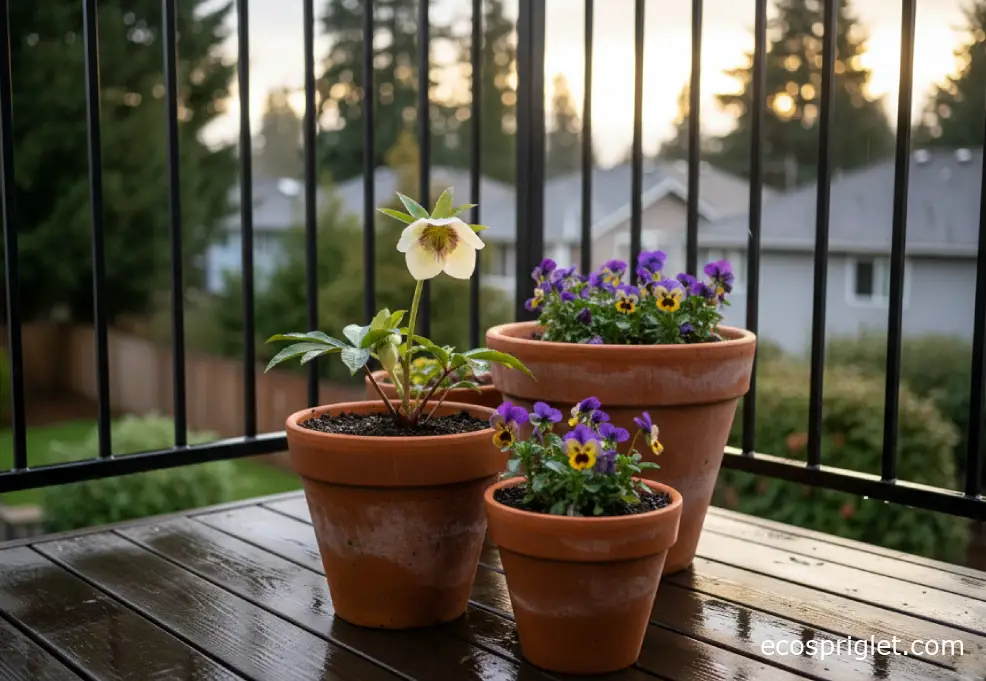
If your goal is color when everything else is snoozing, here are winter flowering plants that are genuinely container-friendly. I’m sticking with options that are widely recommended for winter containers and can handle real weather with the right care.
| Plant | Bloom Window | Balcony Light | Container Notes |
|---|---|---|---|
| Hellebores (Lenten/Christmas rose types) | Winter into early spring | Bright shade to part sun | Even moisture; don’t let pots dry out completely. RHS notes hellebores bloom in winter/early spring and many prefer partial shade./td> |
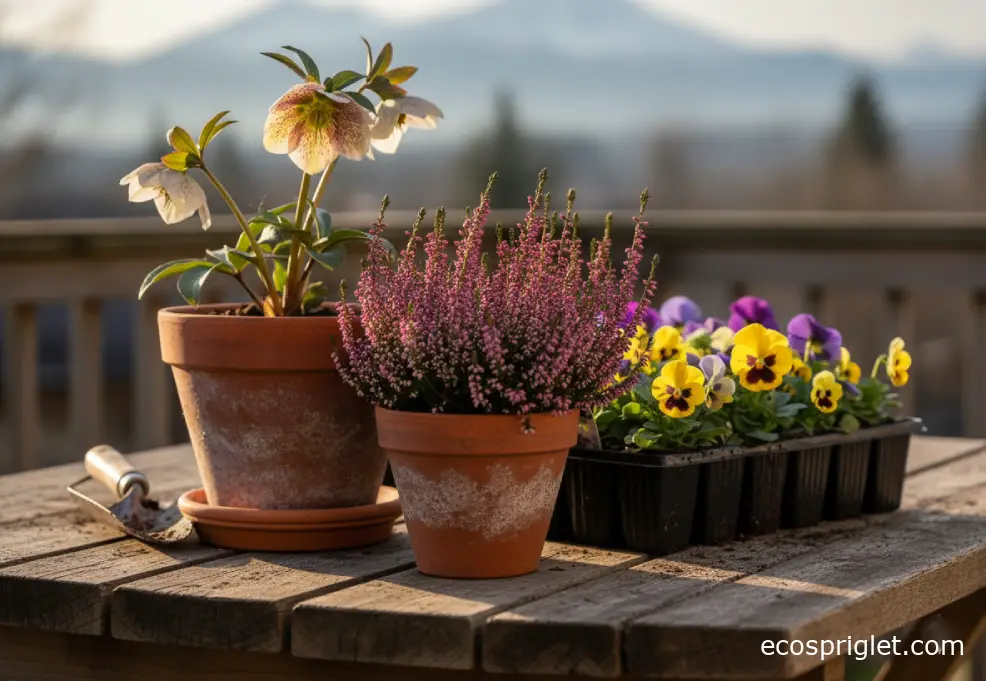
| Winter-flowering heather (Erica carnea types) | Midwinter to early spring | Sun to part sun | Often prefers acidic (ericaceous) potting mix; RHS notes ericas grow well in containers, including winter-flowering types. |
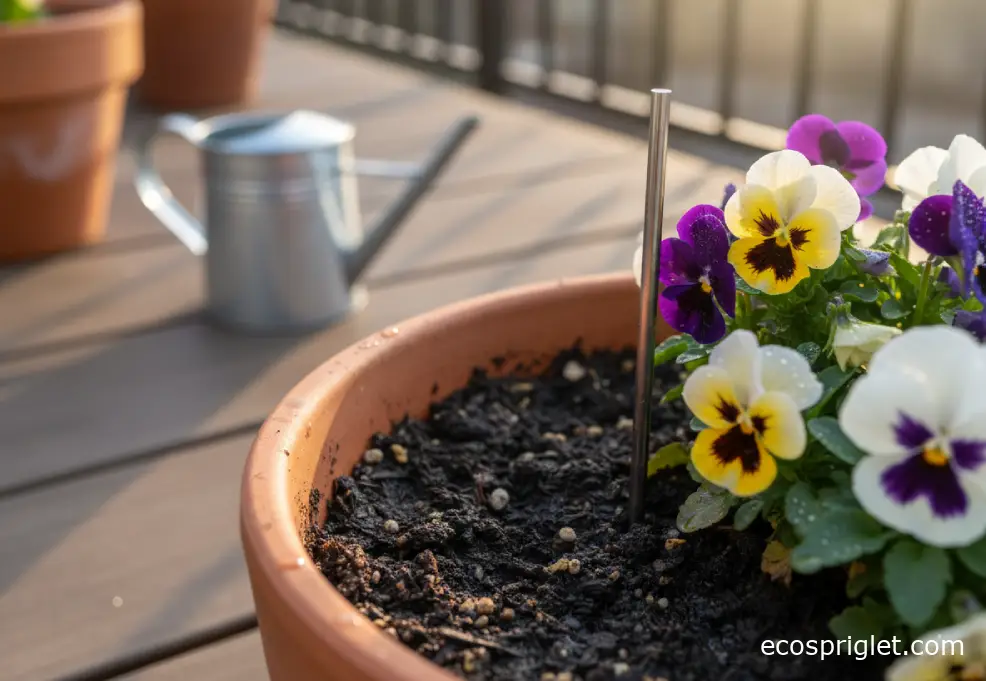
| Pansies/Violas | Winter color during mild spells | Sun to part shade | UGA notes pansy roots slow/shut down when soil temps drop below about 45°F—so don’t expect fast growth in deep cold, but blooms can persist. |
| Snowdrops (Galanthus) | Late winter | Part shade | Good in moist but not waterlogged media; RHS notes snowdrops prefer partial shade and avoid permanently wet conditions. |
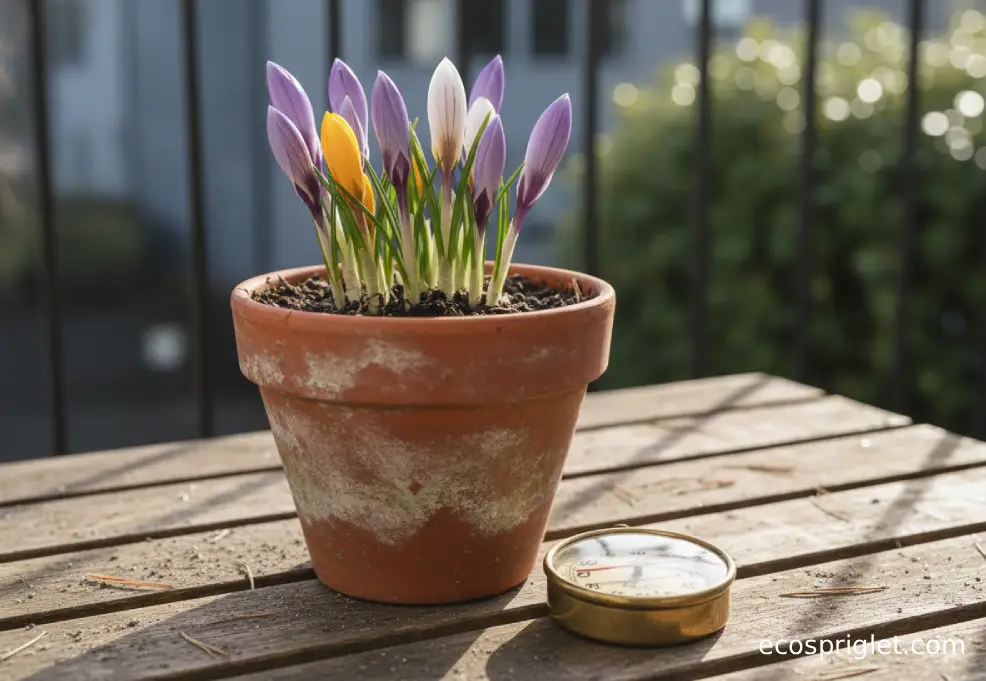
| Crocus | Late winter to early spring | Sun to part sun | RHS gives container planting depth guidance and notes forcing can bring late-winter blooms. |
| Florist cyclamen (Cyclamen persicum) | Indoors in winter | Bright, indirect light | Missouri Botanical Garden notes winter bloom indoors and suggests cool indoor temps around 65°F. |
| Paperwhites (Narcissus) | Indoors in winter | Bright window | Missouri Botanical Garden and Missouri Extension describe easy forcing in pots or in water with pebbles. |
Two practical pairing tips for a small balcony:
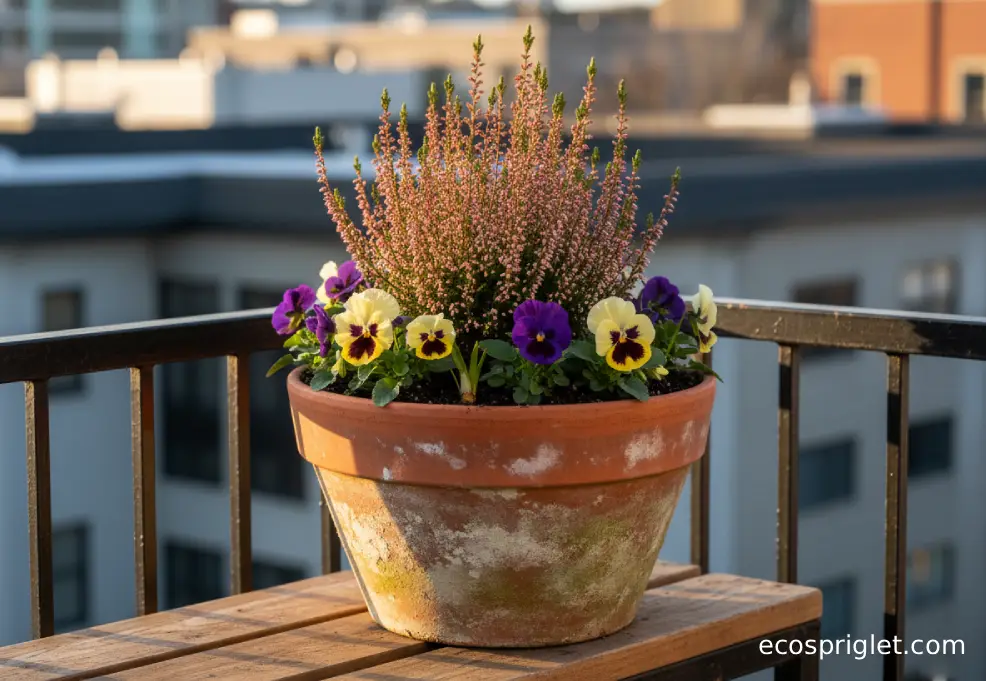
- One “anchor” + one “seasonal”: use a sturdier anchor plant (like winter heather) and tuck in seasonal color (pansies) around it so you can swap just the annuals later.
- Late-winter bulb layer: if you’re planting crocus, treat them like a top layer in a deeper pot so they’re easier to position and protect. The RHS specifically notes planting crocus in containers and even layering them above other bulbs.
Light, Wind, and Balcony Microclimates in Winter
Most “flowers that grow in winter” aren’t failing because they hate cold—they’re failing because winter balconies stack the deck against them: less light, more wind, and pots that swing between soggy and bone-dry.
Here’s what I do (and what I wish I’d done sooner):
- Chase winter sun like it’s a rare commodity. If you have even 3–4 hours of direct sun in winter, give it to the plants that want brighter conditions (pansies, heathers, crocus). Shadier balconies do better with hellebores and snowdrops, which tolerate partial shade.
- Use your building as a heat battery. Pots placed near an exterior wall often stay a bit warmer at night than pots out on the railing line. Even a small shift inward can reduce freeze-thaw stress on roots.
- Wind is the silent dehydrator. If your balcony gets gusts, group pots tightly (leaves touching is fine) and put the tallest pot on the windward side as a “shield.” A simple clear windbreak panel can help without stealing light.
Potting Mix and Containers That Don’t Turn Into Ice Bricks
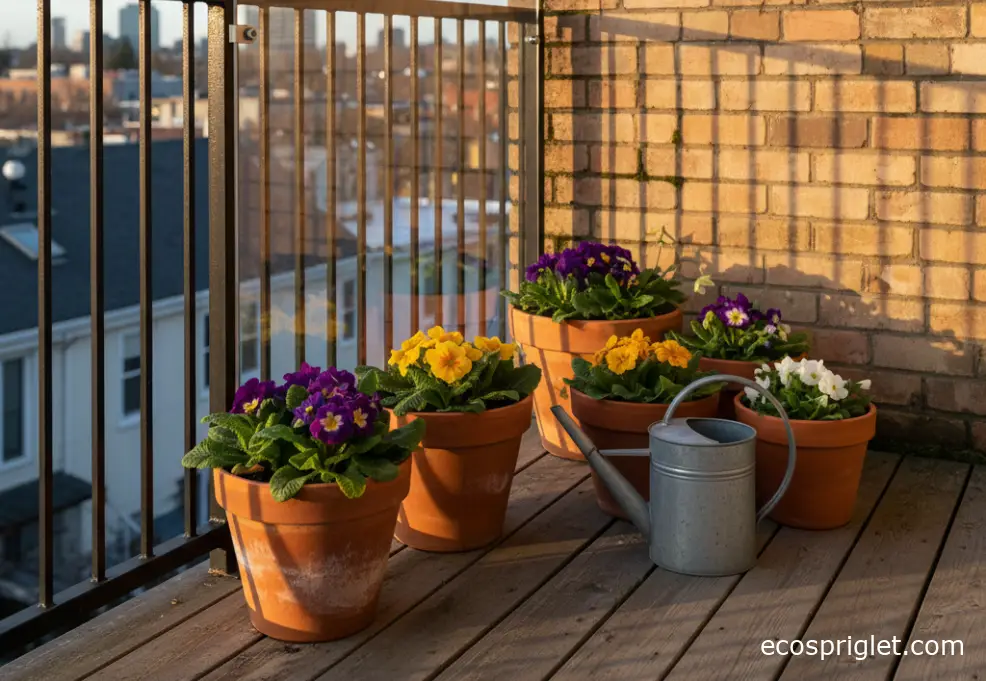
Winter containers succeed or fail at the root level. Your goals are: drain well, stay evenly moist, and avoid repeated freeze-thaw cracking.
My winter container rules of thumb:
- Pick a pot with real drainage holes (more than one is better) and avoid saucers outdoors in winter unless you empty them after rain.
- Size up slightly. A larger soil volume buffers temperature swings and dries out more slowly. For balcony winter displays, the RHS highlights the value of planting seasonal winter containers thoughtfully for cold-season color.
- Keep the top 1 inch as a “watering basin.” Don’t fill mix flush to the rim—leave a little lip so water doesn’t run straight off (this also helps when rain is light and wind-driven).
Beginner mistake I see a lot: sealing pots into waterproof “cachepots” with no drainage because they look tidy. In winter, that usually means cold, stagnant water around the roots. If you love the look, slip a draining nursery pot inside the decorative one and lift it out to water.
Watering Winter Blooming Flowers Without Rotting Them
Winter watering is weird: plants need less, but pots can still dry out—especially in wind or under an overhang where rain never reaches the soil. Here’s a method that’s saved me from both crispy pansies and rotten roots:
- Do the finger test at 1–2 inches deep. If it’s dry at that depth, water. If it’s still cool and damp, wait.
- Water earlier in the day when possible. The pot has more time to drain before the coldest nighttime temps.
- Water thoroughly, then stop. You want water to run out of the holes—then you’re done. Tiny sips often leave dry pockets and encourage shallow roots.
One nuance for pansies: growth slows dramatically in cold soil, and the UGA guide notes pansy roots can stop functioning when soil temps drop below about 45°F. That’s a big reason to avoid “extra watering for extra blooms” in midwinter.
Easy Indoor Winter Flowers for Apartments
If your balcony is more “wind tunnel” than “winter oasis,” bring the bloom indoors. Two apartment-friendly options are so reliable they feel like cheating:
Paperwhites (Narcissus). Missouri Botanical Garden notes paperwhites can be forced without a chilling period—pot them up, water sparingly until growth starts, and they can bloom in roughly 4–6 weeks. Missouri Extension also describes growing them in water with pebbles or gravel (potting mix often makes them easier to keep upright).
Florist cyclamen (Cyclamen persicum). Missouri Botanical Garden notes they bloom in winter and do best indoors with bright, indirect light in cool conditions around 65°F (many people accidentally cook them on a hot windowsill over a radiator).
Quick beginner save: if an indoor winter bloomer suddenly droops, check two things before you panic—soil moisture and heat. Most of the time it’s either too wet (no oxygen for roots) or too warm (fast stress + bud drop).
Troubleshooting Late-Winter Blooms That Won’t Open
Late-winter flowers can be a little dramatic. One day you see buds, and then… nothing. Here are the most common reasons on balconies:
- Not enough light: buds form, but flowers stay tight. Move the pot to your brightest winter spot for a week and see if it changes.
- Too warm too fast (indoors): forced crocus and other bulbs can rush, flop, or fade if moved from cold storage straight into strong heat. The RHS notes forcing crocus involves a cold period, then bringing them into moderate indoor temps (about 50–54°F).
- Soil staying wet: roots don’t breathe, and buds stall. Let the top couple inches dry slightly before watering again.
Common Mistakes New Balcony Gardeners Make in Winter
I learned a couple of these the hard way (including the time I “helpfully” watered everything before a cold, wet week… and wondered why my nicest pot smelled swampy).
- Mistake: leaving pots sitting in water. Fix: ditch saucers outdoors or empty them after rain.
- Mistake: expecting fast growth in deep winter. Fix: treat winter as a “hold steady” season; the UGA guide notes pansy roots slow significantly in cold soil (below about 45°F).
- Mistake: buying one plant and hoping it carries the whole pot. Fix: pair an anchor (heather) with swap-in color (pansies) and a late-winter bulb layer (crocus).
- Mistake: ignoring pet safety. Fix: place toxic ornamentals out of reach. ASPCA lists hellebore as toxic to dogs and cats.
If you keep pets and love winter flowers, it doesn’t mean “no plants”—it just means placement matters (high shelves, hanging planters, or a closed-off room for indoor forcing bowls).
Simple Winter Container “Recipes” That Look Good Fast
When you want results without a lot of design stress, try one of these small-space combos:
- “Midwinter Color” Pot: winter-flowering heather + pansies/violas. The RHS notes ericas are well-suited to containers, including winter-flowering types.
- “Late-Winter Pop” Pot: hellebore + snowdrops nearby (in the same large container or in a companion pot). RHS notes hellebores bloom in winter/early spring and many do well in partial shade.
- “Tiny Space, Big Mood” Tray: a shallow pan planted with crocus for late winter, then replaced with spring annuals later. RHS provides container guidance and forcing details for crocus.
One small design tip that makes everything feel intentional: repeat one color twice. Two purple pansies plus purple heather reads like a plan—even if you grabbed everything at the nursery in five minutes.
Winter doesn’t have to be a blank season. With the right plants, a decent draining pot, and a little respect for wind and low light, you can keep real flowers on your balcony through the cold months—and set yourself up for that satisfying moment when late-winter bloomers finally show up and everything shifts toward spring.
If you’re picking just one outdoor move, start with an anchor plant that likes winter conditions (winter-flowering heather or hellebores) and add pansies for instant color. If you’re picking one indoor move, force paperwhites and keep them in a bright spot—Missouri Botanical Garden and Missouri Extension both describe how straightforward that process can be.