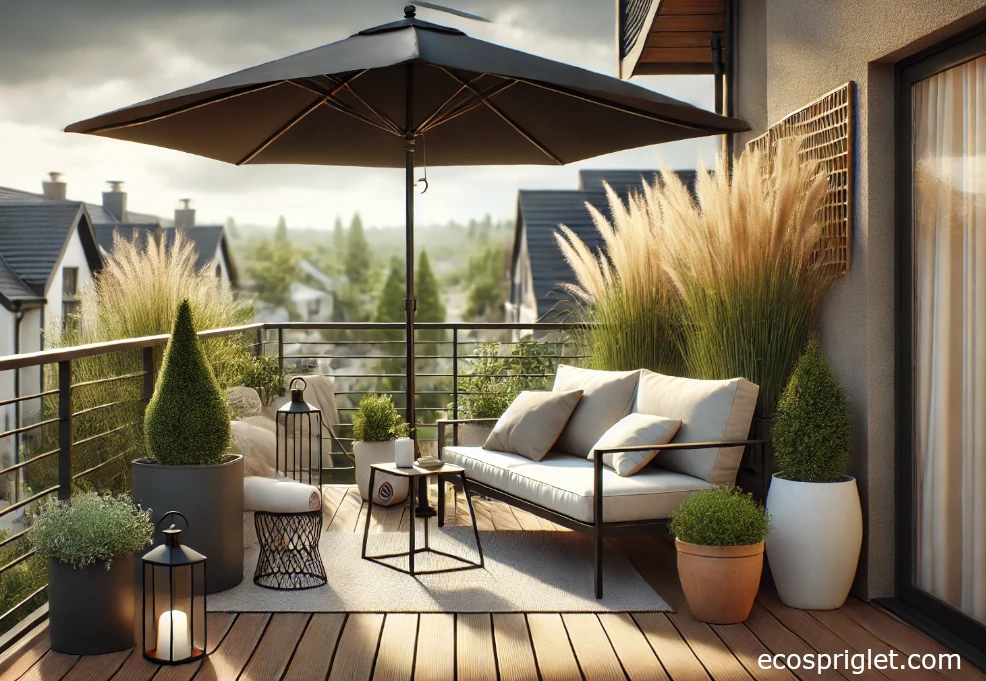
If you’ve ever stood in a small apartment after cooking and thought, “I need fresher air in here,” you’re not alone. The search for the best indoor plants for air quality makes total sense—plants make a home feel calmer, and many popular houseplants have been studied for how they interact with common indoor pollutants. The catch is that plants aren’t magic air machines. In real rooms with normal air exchange, their pollution-removal effect is usually modest compared to basic moves like ventilation, source control, and filtration.
Still, I’m a big fan of using plants as part of an overall “cleaner-feeling home” setup—especially for apartment dwellers. You can choose plants that are forgiving, handle window-light realities, and fit your lifestyle (and pets). Below, I’ll share practical, apartment-friendly picks, how to keep them healthy, and what actually moves the needle if your goal is better indoor air quality—not just prettier shelves.
What Indoor Plants Can and Can’t Do for Air Quality
Most “air-purifying plant” fame traces back to sealed-chamber research, including NASA’s well-known work on plants and volatile organic compounds in closed environments. In those tiny test chambers, plants can reduce certain gases over hours or days. The problem is that apartments and offices aren’t sealed chambers—fresh air leaks in, fans run, doors open, and normal ventilation dilutes indoor pollutants continuously.
That’s why major indoor-air guidance emphasizes three basics: reduce pollutant sources, increase ventilation, and use filtration/air cleaners when needed. A research review in the Journal of Exposure Science & Environmental Epidemiology goes even further: when you translate the chamber-study results into real-room conditions, potted plants generally don’t remove VOCs fast enough to make a meaningful difference in typical buildings.
So where do plants shine? They’re fantastic for comfort, routine, and making you notice your space. In my own apartment days, having a few plants near my “stale air” spots (kitchen-adjacent and that one corner with a dusty baseboard heater) nudged me into better habits: cracking a window while cooking, wiping leaves, and staying on top of humidity and dust.
Sources: U.S. Environmental Protection Agency (EPA), NASA, Journal of Exposure Science & Environmental Epidemiology.
A Quick Apartment Checklist for Choosing the Right Plant
Before you pick the best plants for indoor air quality, do a quick reality check on your apartment. This saves money—and it saves plants.
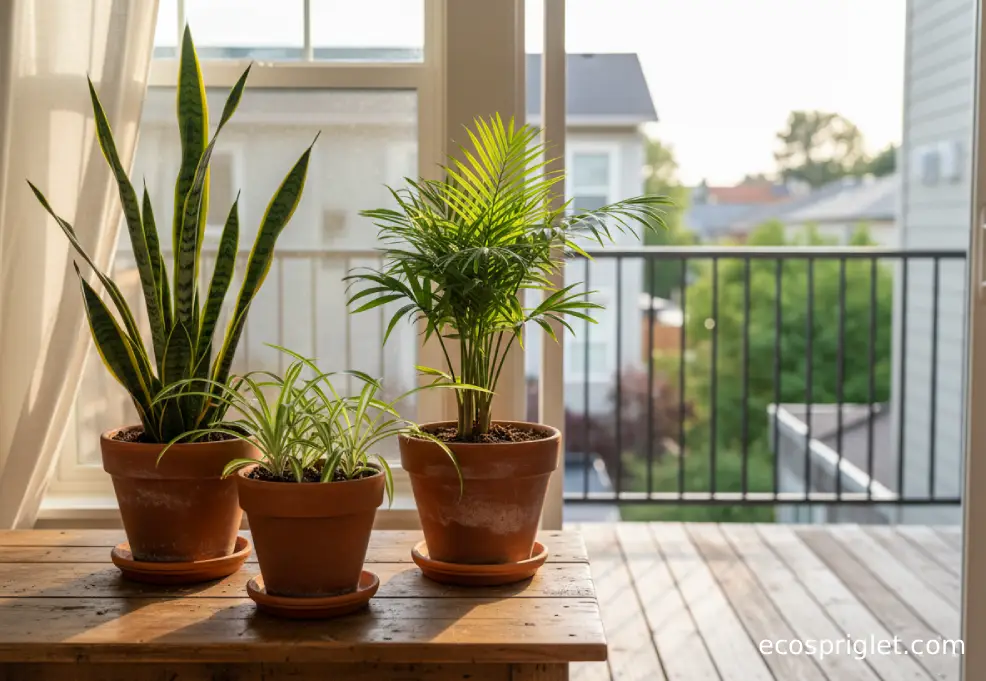
- Light: You don’t need a greenhouse, but you do need a plan. If your brightest spot is a north-facing window or a few feet back from glass, lean toward low-light-tolerant choices like snake plant or parlor palm.
- Pets: If you have a curious cat or a puppy who samples leaves, build your shortlist from non-toxic options first. The ASPCA plant database is your best friend here.
- Your watering personality: If you overwater, choose plants that forgive a dry spell (snake plant is famous for this). If you underwater, choose plants that visibly “complain” early (peace lily droops dramatically when thirsty).
I remember buying a peace lily years ago because I wanted the “best indoor plant for air quality,” then realizing it was a bad match for a friend’s cat who visited constantly. That was my moment of learning: plant choice isn’t just about what’s “best,” it’s about what fits your home.
Sources: NC State Extension, UF/IFAS Extension, ASPCA Animal Poison Control.
The Best Indoor Plants for Improving Air Quality in Real Homes
Here’s the honest “best indoor house plants for air quality” list I like for apartments: plants that are widely recommended, easy to keep alive, and simple to place in real rooms. Some are pet-safe, some aren’t—so I’ve called that out clearly using ASPCA guidance.
| Plant | Light | Water Trigger | Pet Safety |
|---|---|---|---|
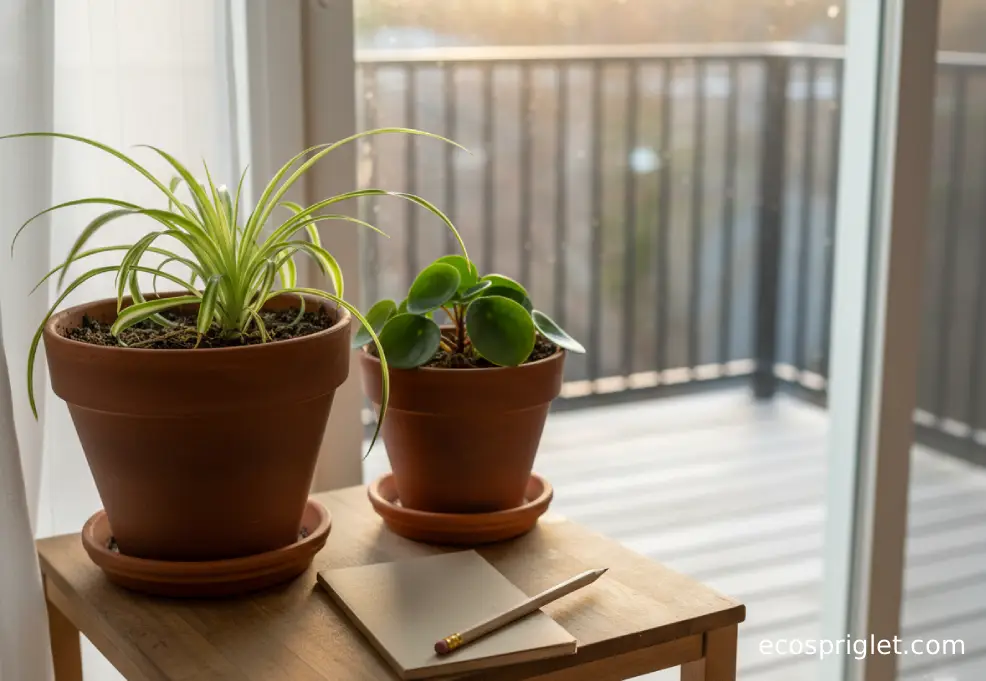
| Spider Plant (Chlorophytum comosum) | Bright to moderate indirect light | Water when top soil starts to dry | Non-toxic (ASPCA) |
| Boston Fern (Nephrolepis exaltata) | Bright indirect; likes humidity | Keep soil lightly moist (not soggy) | Non-toxic (ASPCA) |
| Areca Palm (Dypsis lutescens) | Bright indirect | Water when top soil feels slightly dry | Non-toxic (ASPCA) |
| Parlor Palm (Chamaedorea elegans) | Indirect light; tolerates lower light | Let soil dry slightly between waterings | Non-toxic (ASPCA) |
| Snake Plant (Sansevieria trifasciata) | Tolerates low light; grows faster with more light | Let soil dry between waterings | Toxic (ASPCA) |
| Peace Lily (Spathiphyllum) | Well-lit but out of direct sun | Keep soil damp, avoid overwatering | Toxic (ASPCA) |
| Golden Pothos (Epipremnum aureum) | Low to bright indirect | Water when top soil dries | Toxic (ASPCA) |
| Baby Rubber Plant (Peperomia obtusifolia) | Bright indirect | Water when top soil dries | Non-toxic (ASPCA) |
If you want a short starter set that looks good and is hard to kill: spider plant + parlor palm + (pet-safe home?) baby rubber plant. If you don’t have pets that chew, snake plant and pothos are famously forgiving—but keep them out of reach of kids and animals.
Sources: Wisconsin Extension, Clemson HGIC, NC State Extension, UF/IFAS Extension, ASPCA Animal Poison Control.
Pots, Potting Mix, and Placement That Help Plants Stay Healthy
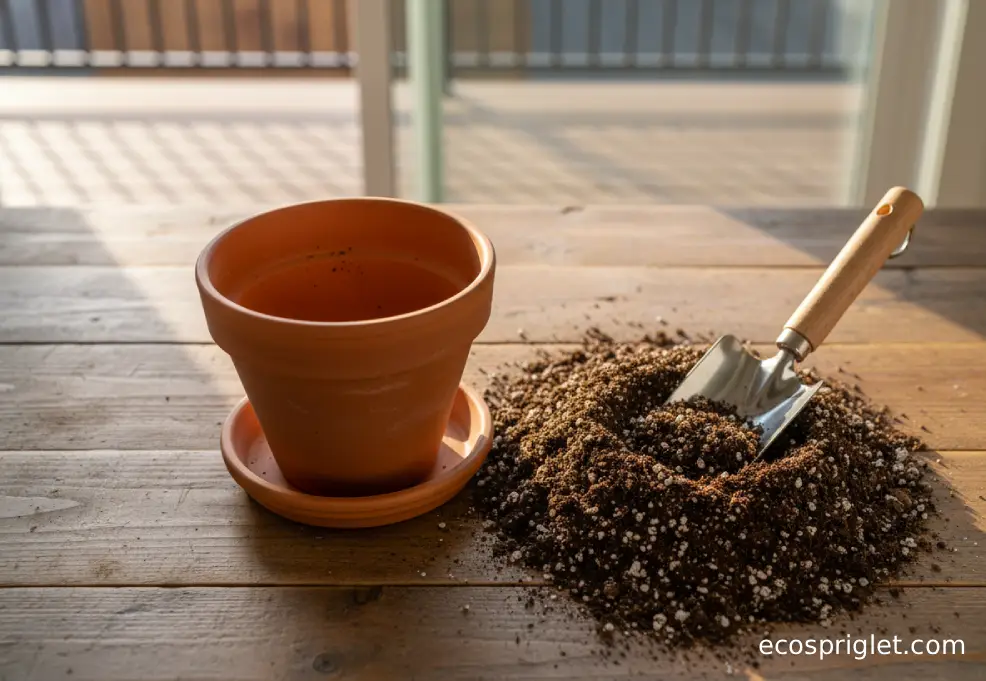
If you do one “grown-up” thing for your indoor plants, make it this: use a pot with a drainage hole, and empty the saucer after watering. Without drainage, roots sit in stale water and rot—fast.
A couple of apartment-friendly setup tips that prevent the most common problems:
- Skip the gravel layer myth: Putting rocks or gravel at the bottom of a pot doesn’t improve drainage; it can actually hold water higher in the pot. Use a proper potting mix and a drainage hole instead.
- Keep it simple with “houseplant mix”: A well-drained indoor potting mix is the baseline. If you tend to overwater, choose a looser mix (many gardeners blend in extra perlite) and don’t size up the pot too aggressively.
- Placement beats perfection: Put plants where you’ll see them. If a plant is tucked behind a couch, it gets forgotten—and forgotten plants get “panic-watered” later.
Simple Care Routines That Keep Leaves Doing Their Job
Healthy plants are the only kind that can even theoretically help with indoor air quality—plus they’re the ones that don’t turn into a gnat factory. My baseline routine is boring (in the best way): check moisture, water thoroughly, drain completely, repeat.
- Water by feel, not by calendar: Extensions commonly recommend watering when needed—conditions change fast in apartments (heat, sun, drafts).
- Soak, then drain: Water until it runs out the bottom, then empty the saucer. That flushes salts and avoids stagnant water around roots.
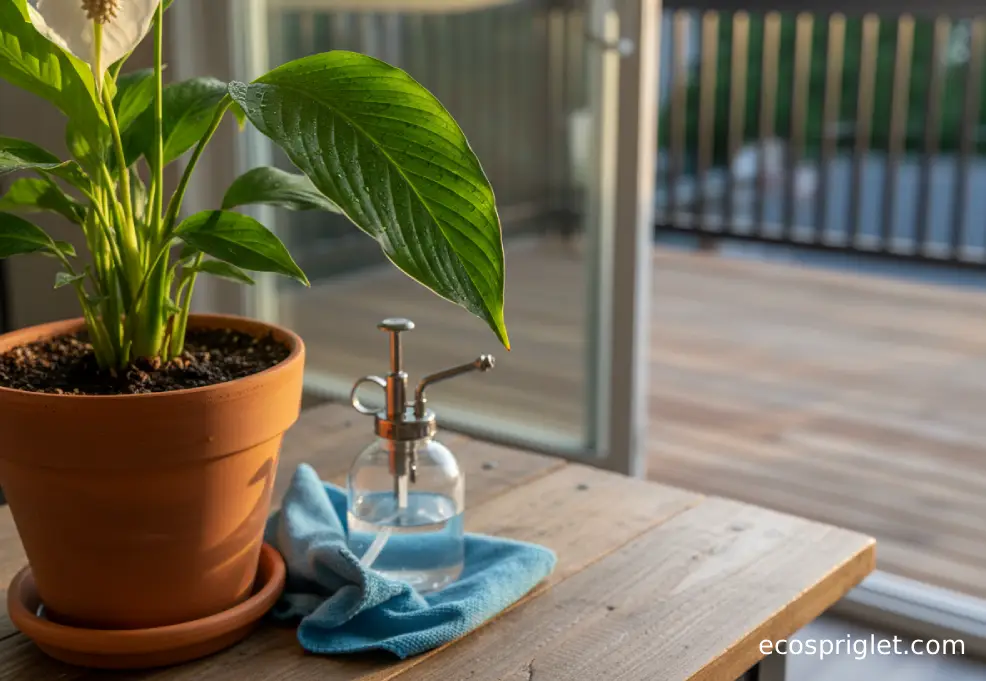
- Wipe dusty leaves: Dust reduces light capture. Even UF/IFAS specifically notes wiping dusty peace lily leaves with a soft, damp cloth.
- Rotate once a week: A quarter-turn keeps plants from leaning hard toward the window and helps them grow more evenly.
Troubleshooting: Yellow Leaves, Brown Tips, and Fungus Gnats
Most indoor plant “mysteries” come down to water, light, or drafts. Here are the apartment classics and what I do first:
Yellow leaves: The usual culprit is overwatering or a pot that stays wet too long. Let the mix dry more between waterings, and make sure water can exit the pot. NC State notes root rot risk when plants like snake plant are kept too wet.
Brown tips: With spider plants, Clemson points to fertilizer/salt buildup, low humidity, or overly dry soil as common triggers. I start by flushing the pot with a deep watering (and full drainage), then I back off fertilizer for a month.
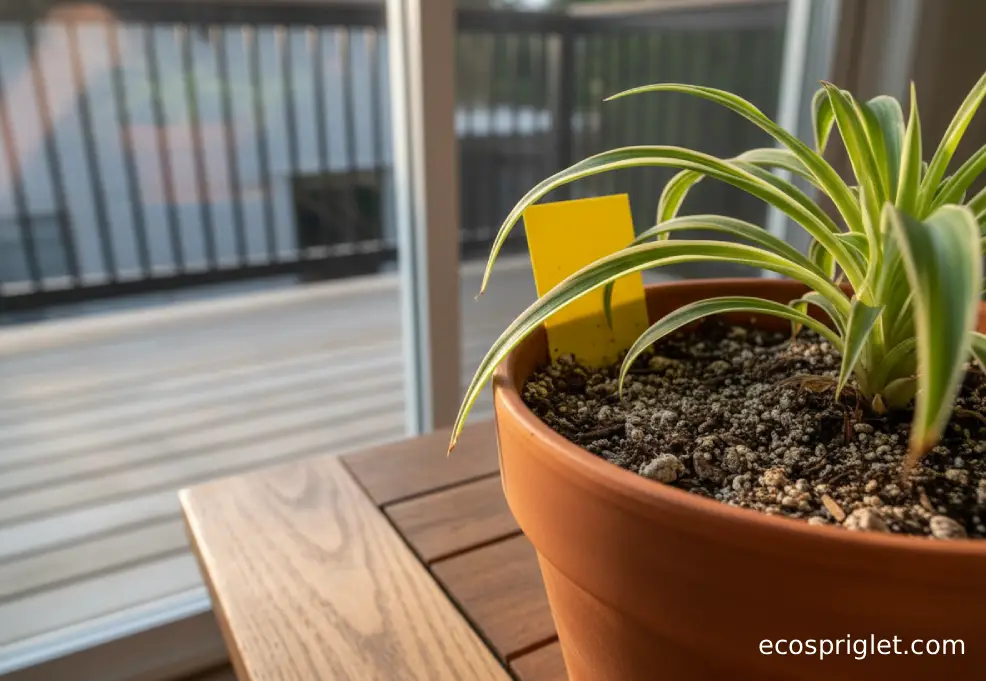
Fungus gnats: They love constantly moist soil. Let the top layer dry a bit more, use sticky traps to catch adults, and consider a BTI-based biological control product if gnats keep cycling. (And yes—most gnat outbreaks I’ve seen started with “just a little extra watering.”)
Common Mistakes New Indoor Plant Owners Make
I learned this the hard way with a snake plant I “treated too kindly.” It looked so tough that I assumed extra water would speed it up. Instead, it sulked, dropped a leaf, and taught me a lesson about wet soil and slow roots—especially in winter.
- Buying for hype instead of conditions: If your place is low light, start with low-light-tolerant plants and add brighter-light plants later.
- Watering on a schedule: Clemson’s watering guidance is basically “water when necessary” because light, temperature, and potting mix change everything.
- No drainage hole: A pot without drainage is a root-rot trap. A gravel layer doesn’t fix that.
- Ignoring pet safety: Peace lily, pothos, and snake plant are common offenders. If pets chew, prioritize ASPCA-listed non-toxic options.
- Over-fertilizing: More fertilizer rarely means faster growth indoors; it often means stressed roots and crispy tips.
Want Better Indoor Air Quality Faster: Pair Plants With These Moves
If your goal is genuinely better indoor air quality, this is the section that pays off. The EPA’s core strategies are straightforward: control sources, ventilate, and use filtration/air cleaning when appropriate.
Here’s how I translate that into apartment life:
- Vent while you create pollutants: Crack a window and run the kitchen/bath fan while cooking or showering (and a bit after). Dilution works.
- Reduce the source: Store strong-smelling cleaners tightly, avoid indoor smoking, and let new furniture or paint off-gas with extra ventilation.
- Filter smart: If you deal with smoke, allergies, or outdoor pollution, a properly sized air cleaner can help in ways plants usually can’t—especially for particles.
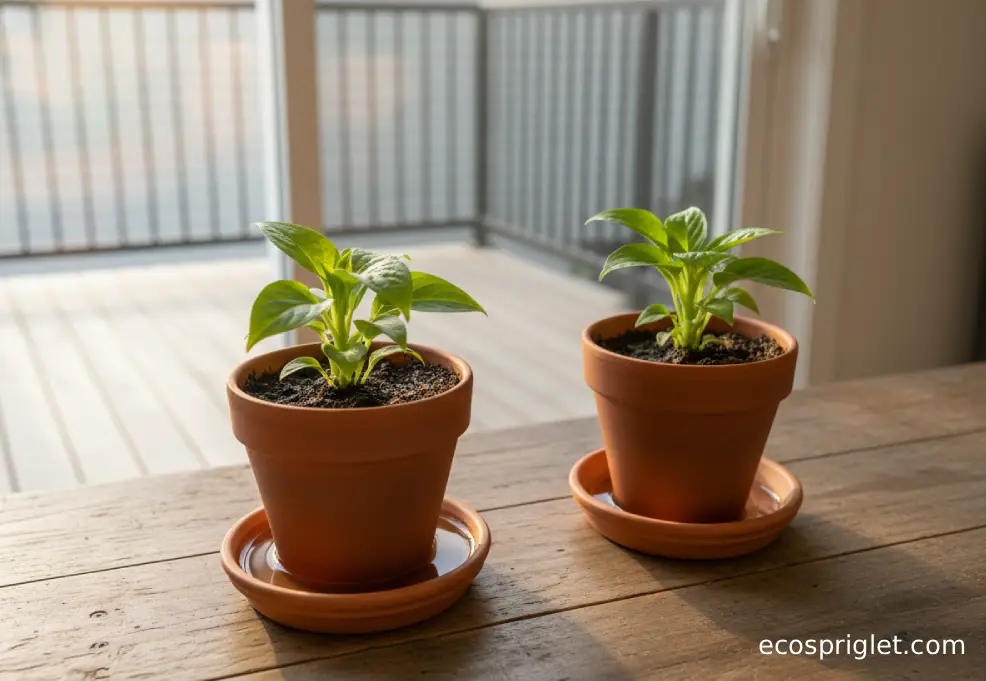
Now, bring plants in as the “habit glue.” Put a plant near the window you actually open. Put a plant on the shelf where you notice dust building up. It’s not that the plant is doing all the work—it’s that the plant makes you pay attention to the space.
If you’re working with low light and still want greenery, Low Light Indoor Trees is a good next stop.
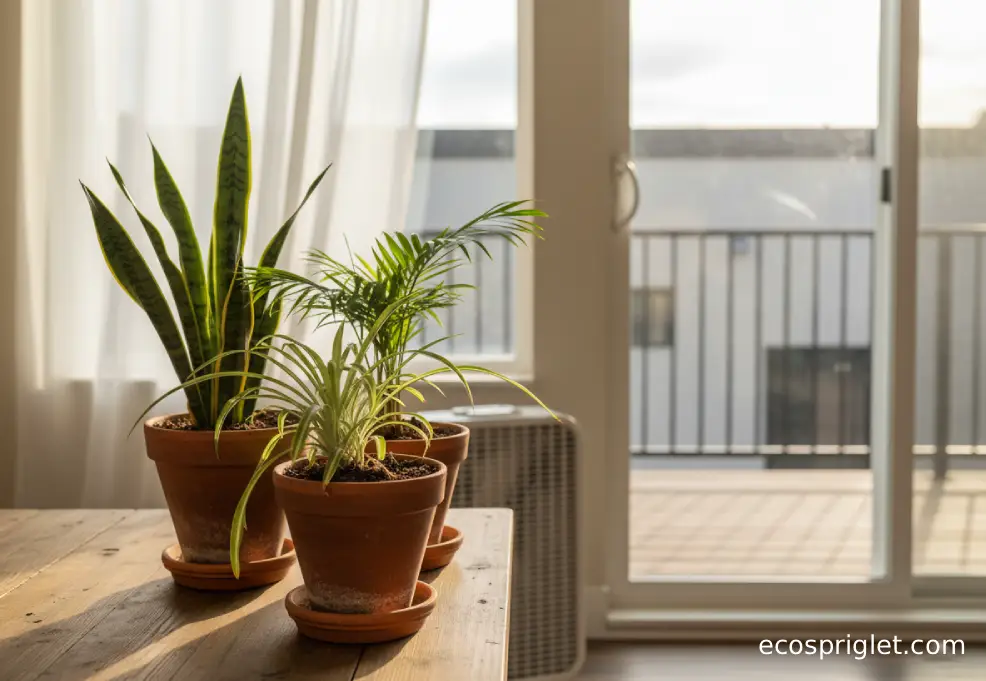
Plants can be a smart, beautiful part of a healthier-feeling home, and there are plenty of best plants for air quality indoors that also happen to be great “starter plants” for apartment dwellers. Just keep your expectations grounded: potted plants may help a little in controlled settings, but everyday indoor air quality is mostly about what you bring into the air, how you exchange it, and whether you filter it.
If you want the most frustration-free route, pick two or three plants that match your light and your watering style, pot them in containers with real drainage, and build one small weekly habit: a quick moisture check and a leaf wipe when things look dusty. That routine keeps plants healthy, keeps pests down, and keeps your home looking alive—even in the dead of winter when apartments can feel a little stale.