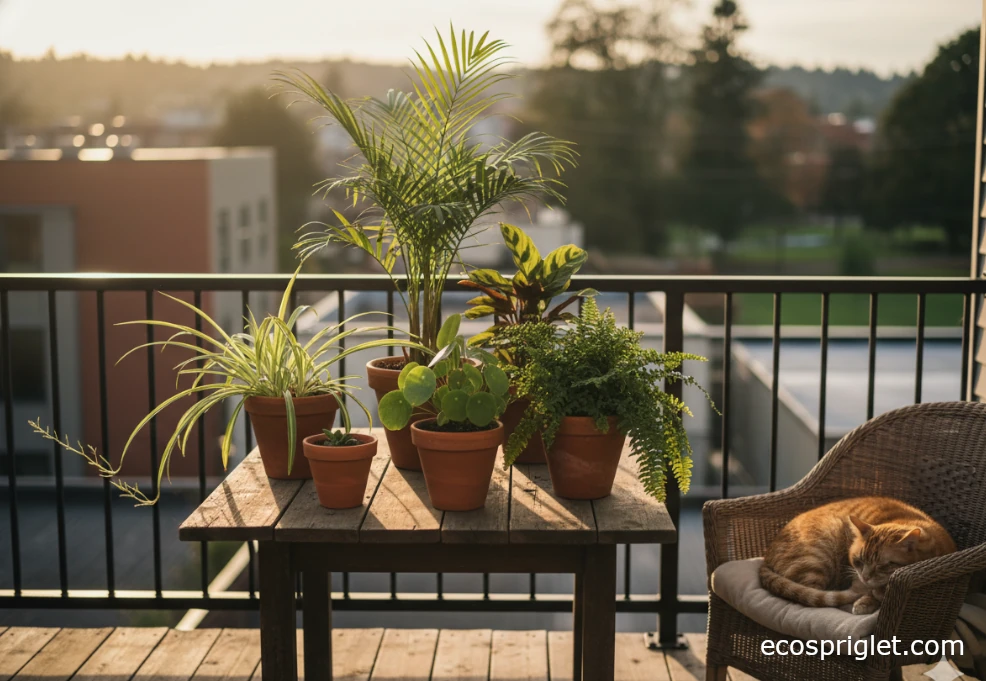
Indoor bonsai can absolutely thrive in small apartments—if you pick the right species and set up smart basics. In this guide, I’ll show you the best bonsai trees for indoors (including truly forgiving choices for beginners), the light and soil setups that work in city homes, and a simple watering rhythm that avoids root rot. We’ll also troubleshoot leaf drop and pests, and I’ll share a few mistakes I’ve made so you can skip the pain.
Whether you’re after the best indoor bonsai for beginners or curious about flowering options with grow lights, you’ll find a clear, repeatable path here.
What Makes a “Good Indoor Bonsai”?
Indoor bonsai succeed when the species tolerates room conditions: bright light (south/west window or a quality LED), steady temperatures around 65–75°F, and moderate humidity. Ficus, dwarf jade (Portulacaria afra), and schefflera check those boxes; they handle brief lapses in watering and adapt to filtered light. Boosting light is the single biggest win—many “struggling” bonsai are simply light-starved. Add a full-spectrum LED bar 6–12″ above the canopy for 10–12 hours daily. A well-draining bonsai mix and a consistent routine—water when the top 1–2″ feel dry, then soak thoroughly—keep roots healthy. Humidity trays offer only a small local boost; good light and proper watering matter most.
- Put a cheap hygrometer near the plant; target about 40–50% RH.
- Rotate the tree a quarter-turn weekly for even growth.
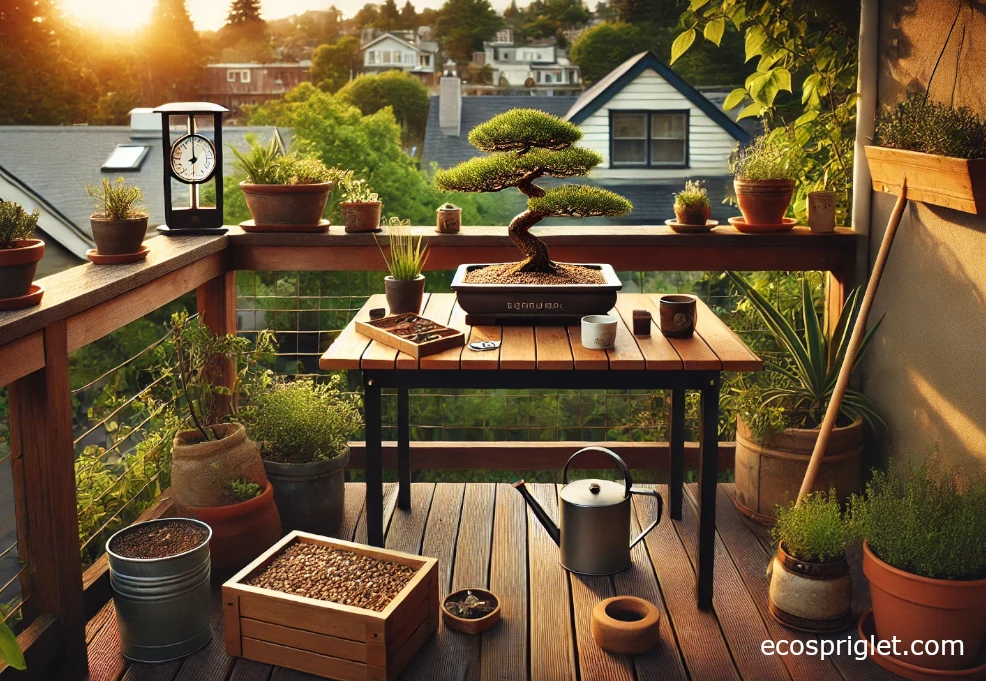
Best Indoor Bonsai: Quick Picks
- Ficus microcarpa/retusa — Most forgiving; tolerates dry air and missed waterings; ideal first tree.
- Dwarf jade (Portulacaria afra) — Succulent bonsai; thrives bright and dry; minimal leaf litter.
- Schefflera arboricola — Adaptable, handles apartment humidity better than many.
- Chinese elm (Ulmus parvifolia) — Works indoors in very bright, cooler rooms or under strong LEDs.
Flowering (need strong light): Adenium, Bougainvillea, Dwarf pomegranate.
Skip (first bonsai): Fukien tea, Serissa, Sageretia—fussy about water, drafts, and salts.
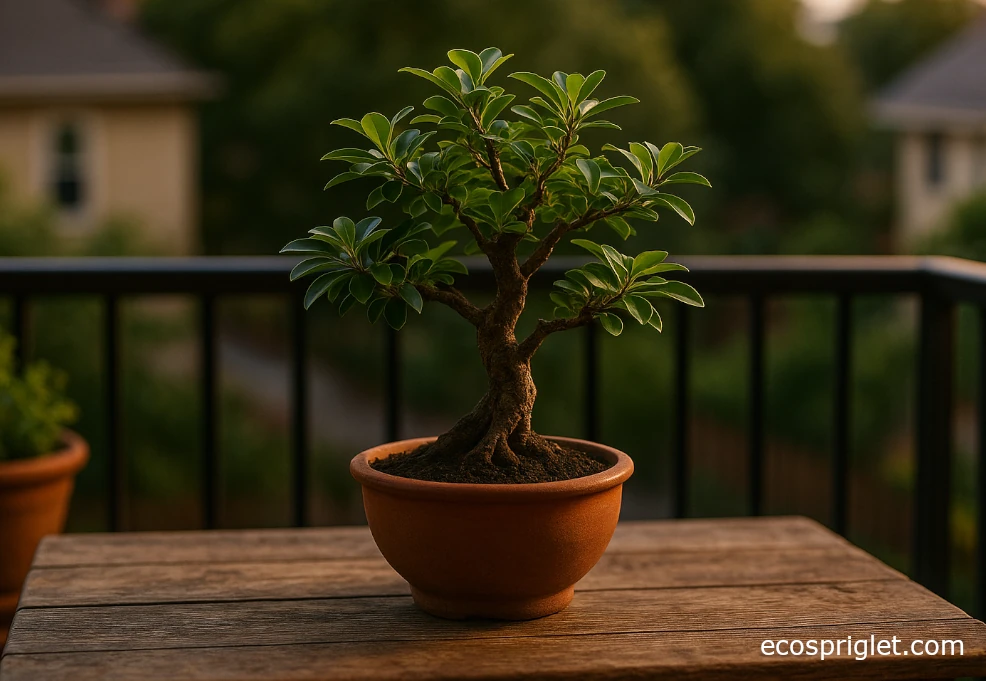
Ficus Bonsai (F. microcarpa/retusa) — The Reliable Starter
Why it works: Ficus tolerates typical apartment humidity and rebounds after minor stress. Give bright light (sunny window or LED) and consistent moisture—let the top 1–2″ dry, then water thoroughly until a little drains. Sudden leaf drop often means abrupt changes (drafts, under-lighting) or chronic overwatering. Prune lightly after a growth flush to maintain shape; seal thicker cuts.
- Wipe leaves monthly to keep stomata clear and deter pests.
- Bottom-water occasionally to rehydrate a dry root ball thoroughly.
Daniel’s note: My first ficus sulked near a hallway—moving it three feet to a window triggered new shoots within a week.
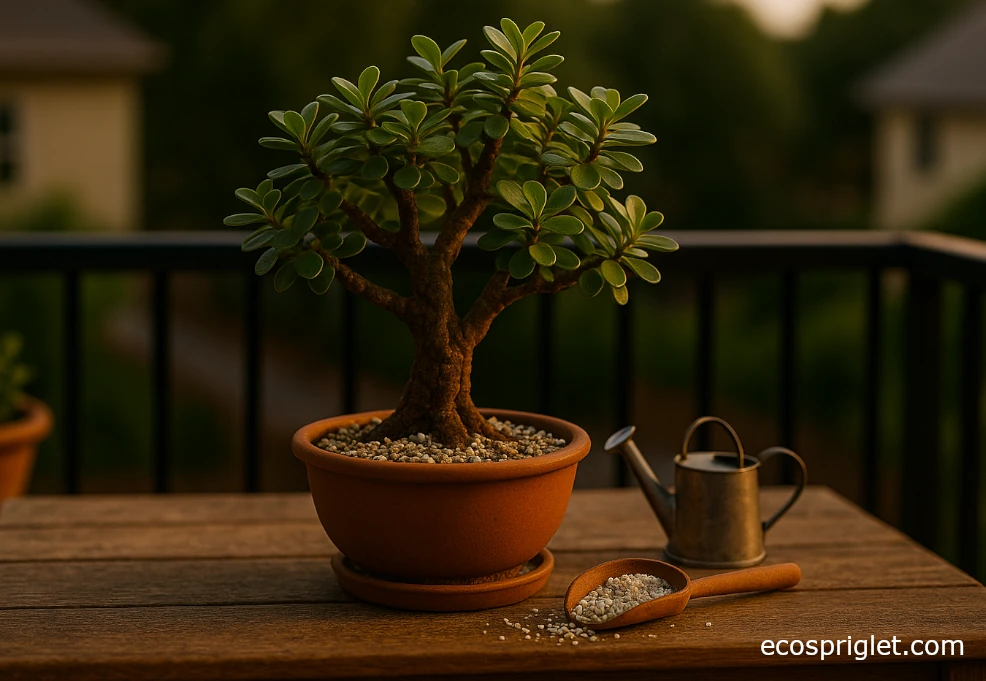
Dwarf Jade / Portulacaria afra — Low-Water, Low-Fuss
Dwarf jade behaves like a tidy succulent bonsai: thick leaves and stems store water, so it shrugs off a missed watering. Provide bright light—a sunny sill or LED 10–12 hours. Water less frequently than ficus: let the mix dry deeper between soaks, but still drench fully when you do water. Use a gritty mix (about 30% perlite/pumice) to prevent soggy roots. Pinch soft tips to keep pads compact.
- Avoid cold, wet media—reduce watering in winter.
- Use a heavier pot or gravel top-dress to counter its top-heavy form.
This is my “travel bonsai”—it’s unfazed by long weekends if the light is strong.
Schefflera (Umbrella Tree) — Tolerant and Adaptable
Schefflera tolerates a wide humidity range and accepts bright-indirect light, though growth improves under LEDs. Keep soil evenly moist—don’t let it stay wet for days. It backbuds reliably after pruning; remove long petioles to tighten the silhouette. Stake or wire gently; stems are flexible but bruise easily.
- Rinse foliage in the shower seasonally to deter mites.
- Turn weekly for symmetrical “umbrellas.”
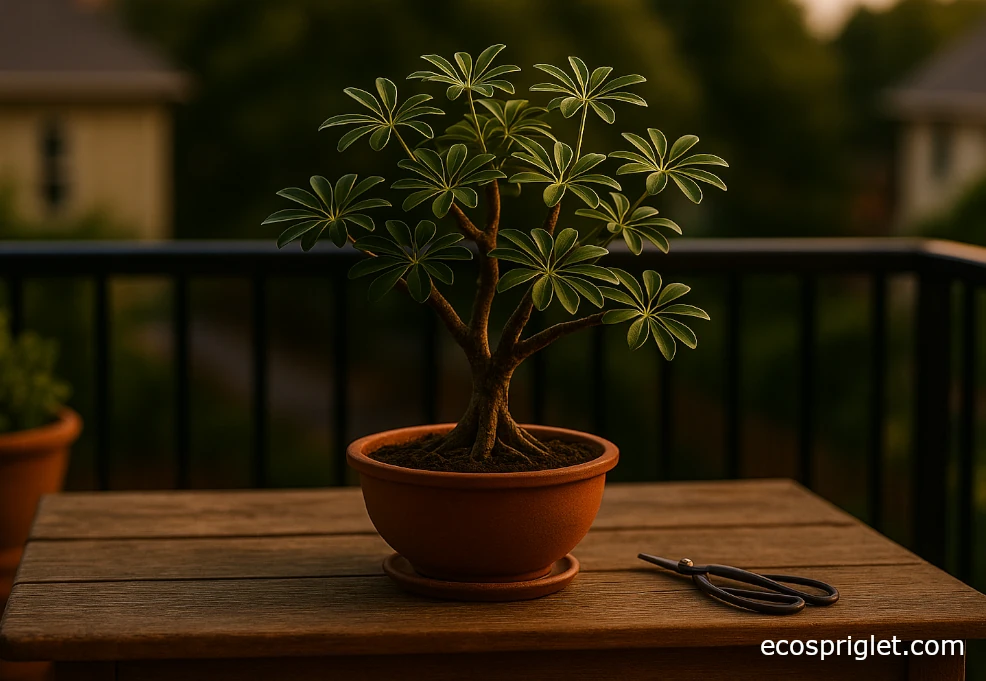
Chinese Elm (Ulmus parvifolia) — Indoors Possible, With Caveats
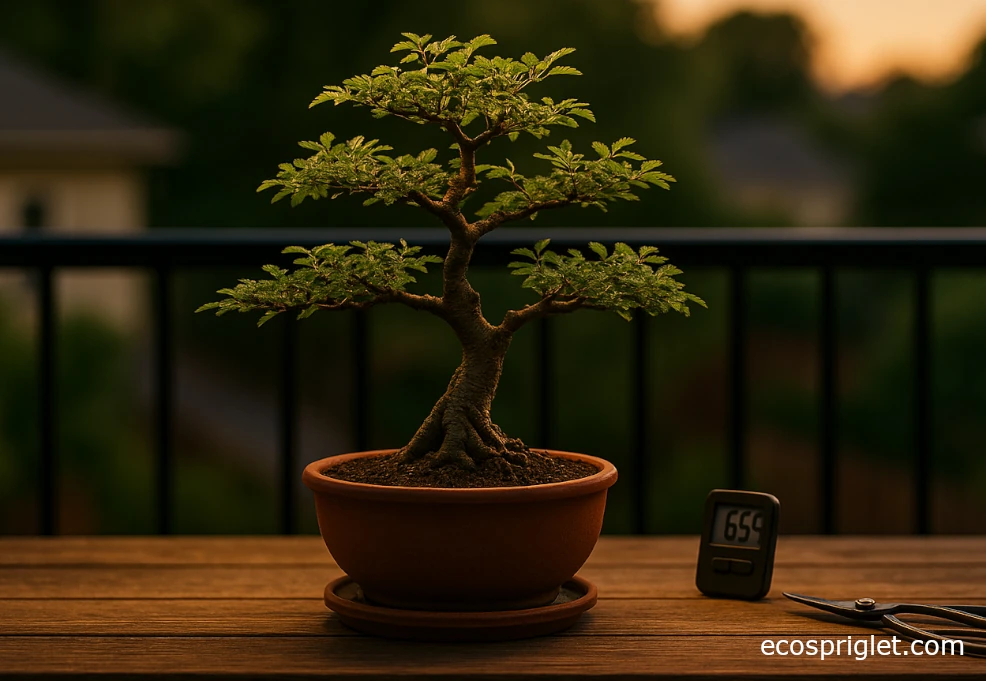
Chinese elm can be grown indoors with very bright light and a cooler room (~60–70°F); many growers also keep it outdoors seasonally and bring it in only when frost threatens. It dislikes hot, dry air. Allow the top inch to dry between thorough waterings. Expect seasonal leaf drop during transitions—it’s not always a crisis. Once light is right, it’s rewarding to train and ramifies well under regular pinching.
- Avoid heat blasts from radiators or vents.
- Consider a winter rest near a bright, cooler window.
Best Indoor Flowering Bonsai (Advanced Light)
Adenium (Desert rose): Loves heat and intense light; water sparingly in winter dormancy.
Bougainvillea: Needs very bright light and warmth; keep slightly drier between deep soaks; prune after bract show.
Dwarf pomegranate (Punica granatum var. nana): Accepts indoor life with bright light; moderate watering; prune after flowering.
These can bloom indoors under intense light (often ~10–12 h/day) with the LED kept close (about 6–10″ for many bars) while monitoring heat stress.
- Don’t repot right before bloom season.
- Put the LED on a timer—consistency triggers buds.
Species to Avoid as a First Indoor Bonsai
Fukien tea (Carmona), Serissa, Sageretia often crash indoors: they dislike low humidity, resent inconsistent watering, and react badly to drafts or tap-water salts. They can thrive for experienced growers with stable light and humidity, but most apartments make them finicky. Start with forgiving choices and circle back later.
- If you already own one, prioritize strong light and filtered water; keep media airy.
- Avoid frequent “tweak watering”—use a thorough soak-and-dry rhythm.
Indoor Bonsai Setup: Light, Pots, Soil, Humidity
Light: South/west windows are great; otherwise try a small full-spectrum LED bar (often ~20–40 W) placed about 6–12″ above the canopy for ~10–12 hours; adjust height/time by plant response and fixture output.
Pots & trays: Use a stable bonsai pot with large drainage holes and a drip tray to protect floors.
Soil: Airy mix (roughly 20–30% perlite/pumice with bark/akadama equivalents). Skip gravel layers—uniform, airy media drains better and avoids a perched water table (WSU Extension).
Humidity: Trays add a small boost; grouping plants helps. Real gains come from adequate light and correct watering.
Placement: Keep 6–12″ from cold windows in winter; avoid heater blasts.
Watering & Feeding Rhythm
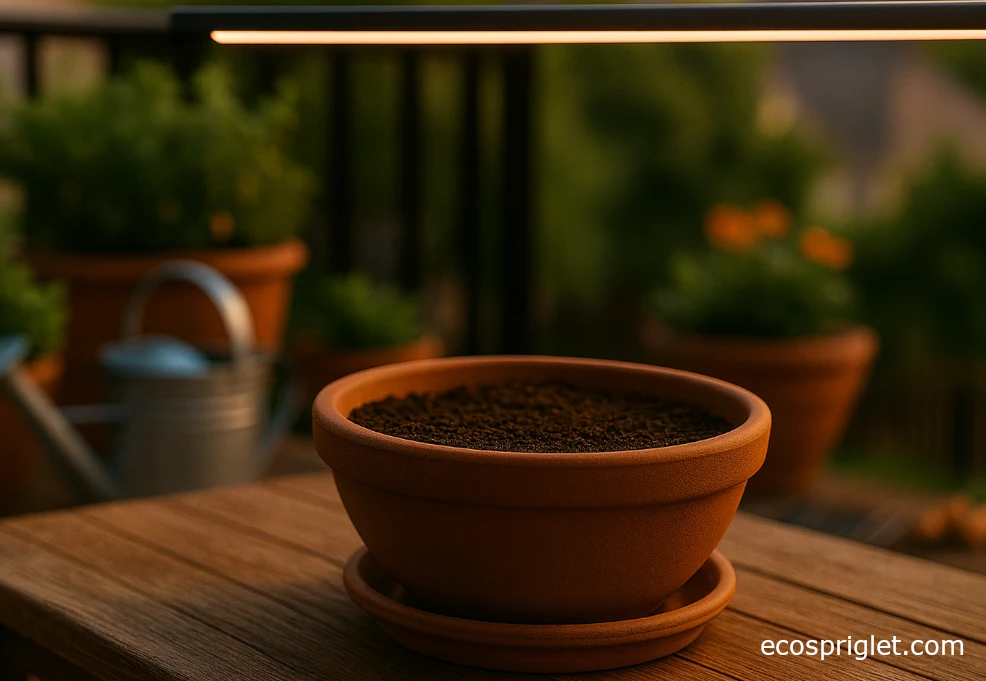
Watering: Check daily; water only when the top 1–2″ are dry. Then water until it flows freely from the drainage holes; discard any water collected in the tray. In winter, intervals lengthen. Succulent species (dwarf jade) prefer deeper dry-downs; ficus/schefflera like evenly moist—not wet.
Feeding: Use a balanced liquid fertilizer at ¼–½ strength during active growth (about every 2–4 weeks). Pause or reduce in low light/winter. Foliar feeds are optional; they don’t replace root feeding.
- Learn the pot’s “light when dry” feel by lifting it.
- Flush monthly with plain water to prevent salt build-up.
Daniel’s note: My ficus perked up when I halved fertilizer strength and focused on light first.
Helpful reads: Indoor Watering Guide.
Pruning, Wiring & Styling in Small Spaces
Prune after a growth flush: reduce to 1–2 leaves per shoot to build ramification. For compact shapes, tip-pinch regularly rather than big chops. Wire only healthy branches; use soft aluminum wire and check weekly to prevent wire marks—indoor growth can be deceptively fast under LEDs. Style to your space—informal upright and broom styles look clean on shelves.
- Sterilize shears with alcohol to prevent disease spread.
- Photograph monthly to plan cuts and track progress.
Troubleshooting: Leaf Drop, Pests, Leggy Growth
- Leaf drop: Usually light change, drafts, or overwatering. Move closer to light or add LED; allow the top 1–2″ to dry before soaking.
- Leggy growth: Not enough light; shorten internodes with stronger light and tip-pinching.
- Pests (mites, scale, mealybugs): Inspect undersides weekly. Rinse in the shower, then use horticultural soap or oil per label. Isolate if infested.
- Salt crust/yellowing: Flush pot with plain water; reduce fertilizer strength.
- Root rot signs: Mushy roots, sour smell—repot into airy mix and reset watering.
Common Mistakes to Avoid
- Buying a fussy species first: Start with ficus or dwarf jade, not Serissa.
- Under-lighting: If growth looks stretched, fix light before chasing fertilizers.
- Trickle watering: Half-measures leave dry pockets; water thoroughly, then let it breathe.
- Skipping salt flushes: Monthly plain-water soaks prevent tip burn.
- Wiring too tight: Check weekly; wire marks arrive faster than you think.
Daniel’s note: The biggest unlock was accepting that a simple LED bar beats any “watering trick.” Once I did that, shaping got fun.
Creative Display Ideas (Shelves, Trays, and Safe Sun)
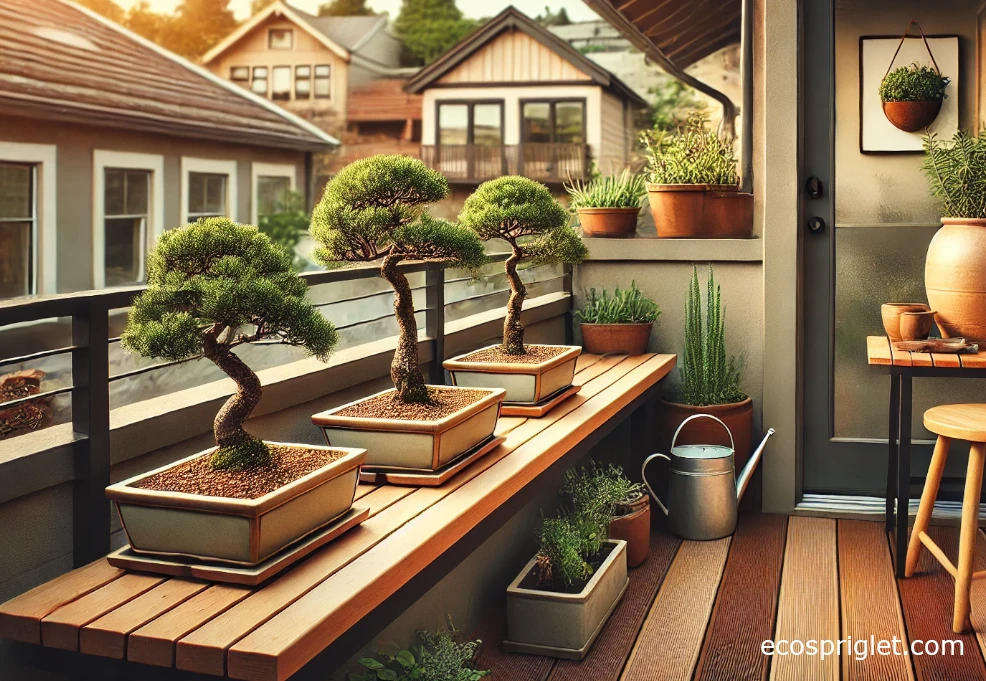
Use a narrow window bench with drip trays for clean lines; add a slim LED bar under a floating shelf for evening photosynthesis without glare. Group three to five small bonsai for a tidy vignette and shared humidity. Avoid hot radiators and wobbly stands. Cable-tie LED cords for a seamless look; angle the strongest light toward your show tree.
FAQ
What is the easiest indoor bonsai for beginners?
Ficus or dwarf jade—both handle common apartment conditions and bounce back from minor mistakes.
Can bonsai live in low light without a grow lamp?
They’ll survive but look leggy. A small LED bar (often ~20–40 W) 6–12″ above the canopy makes a huge difference.
How often should I water an indoor bonsai?
When the top 1–2″ of mix are dry—then water until it flows freely from the drainage holes and empty the tray.
Which indoor bonsai are pet-safer?
Dwarf jade is generally considered safer than ficus or schefflera; still keep all plants out of nibble range and check reputable toxicity lists.
Start simple: choose one forgiving species—ficus or dwarf jade—and commit to the “big three”: bright light, airy mix, and thorough watering. Add a basic LED bar, learn your pot’s dry weight, and prune lightly after each growth spurt. As your confidence grows, try schefflera or Chinese elm, then experiment with flowering species under stronger light.