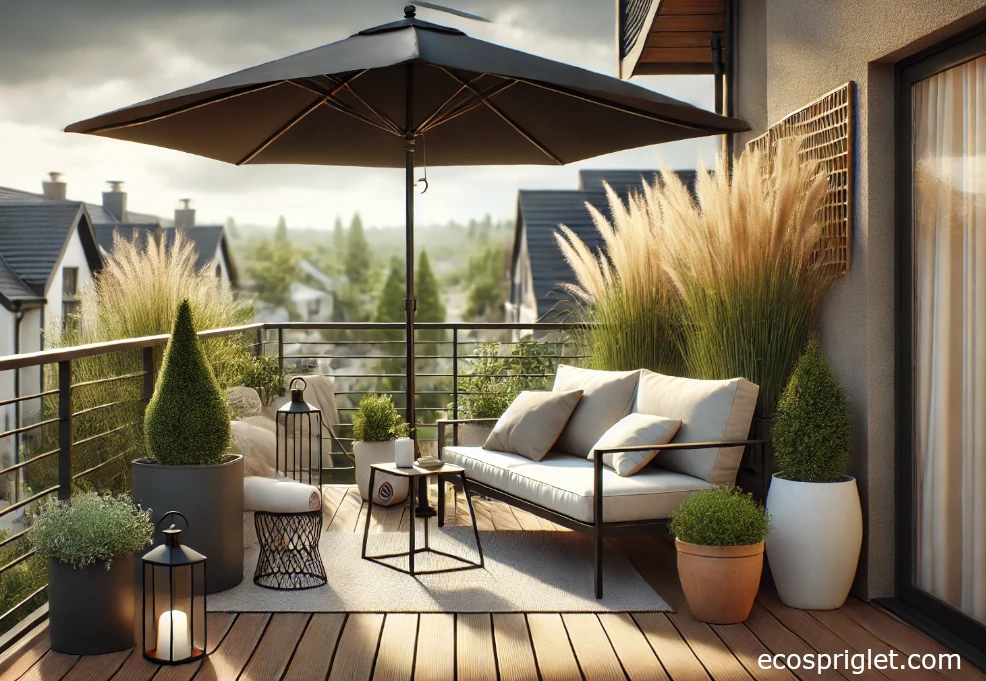
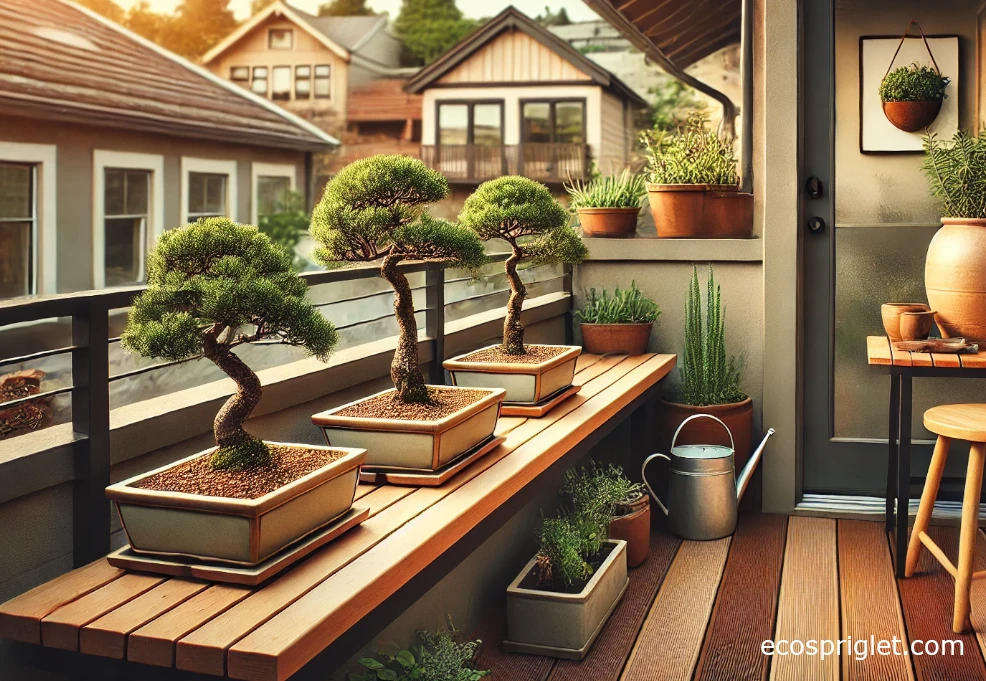
If you live in an apartment, you’ve probably had that moment where you realize the person across the courtyard can see straight into your living room. Curtains help, but they also kill the light. That’s where “tall narrow trees for privacy” come in—really just tall, skinny indoor plants and slim planters that act like living blinds. Instead of a heavy wall or bulky divider, you get a vertical green screen that softens views, filters light, and makes your home feel calmer instead of boxed in.
In this guide I’ll walk you through which tall narrow indoor plants actually stay slim, how to choose a tall skinny indoor planter that doesn’t eat your floor space, and simple care routines so your plants keep doing their privacy job year-round. We’ll look at pet-friendlier options, good choices for low-light apartments, and a few creative layout tricks I’ve used on narrow Portland balconies and next to big street-facing windows. By the end, you’ll be able to sketch out your own living privacy screen that fits your style, your light, and your square footage—not the other way around.
What “Tall Narrow Trees for Privacy” Look Like Indoors
When we talk about “tall narrow trees for privacy” indoors, we’re really talking about houseplants with a tree-like shape: taller than you (5–8 feet) but with a footprint narrow enough to tuck along a window or wall. Instead of a big, spreading ficus taking over the entire corner, think of upright canes, clustered stems, or skinny trunks with foliage held mostly at the top. That’s what makes them perfect tall narrow indoor plants for tight apartments.
Good candidates tend to be palms, dracaenas, and a few columnar shrubs or “indoor trees” that can live in containers long term.
The goal is to block sightlines, not the whole window, so you still get light and a sense of space. That’s why tall thin indoor plants often work better than a wide bush—especially when you line several up in a tall narrow indoor planter or a slim row of pots.
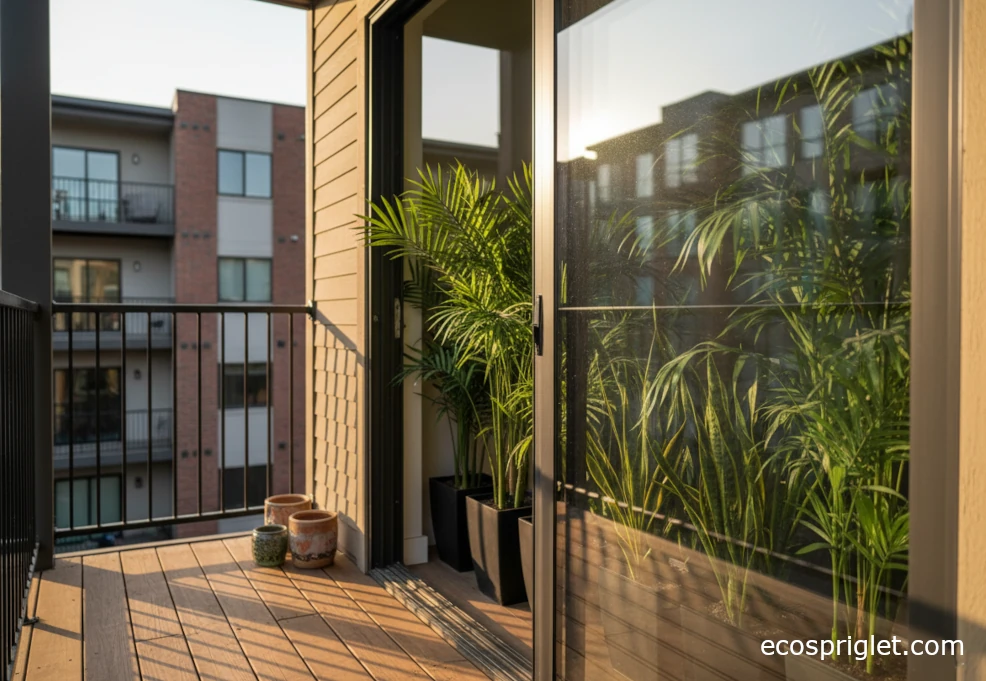
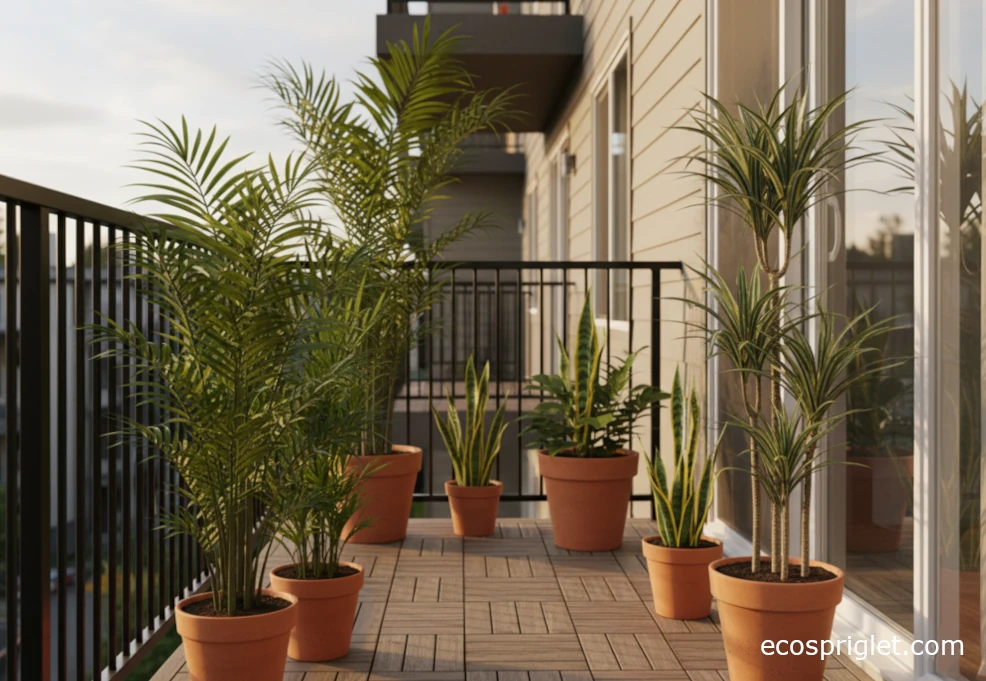
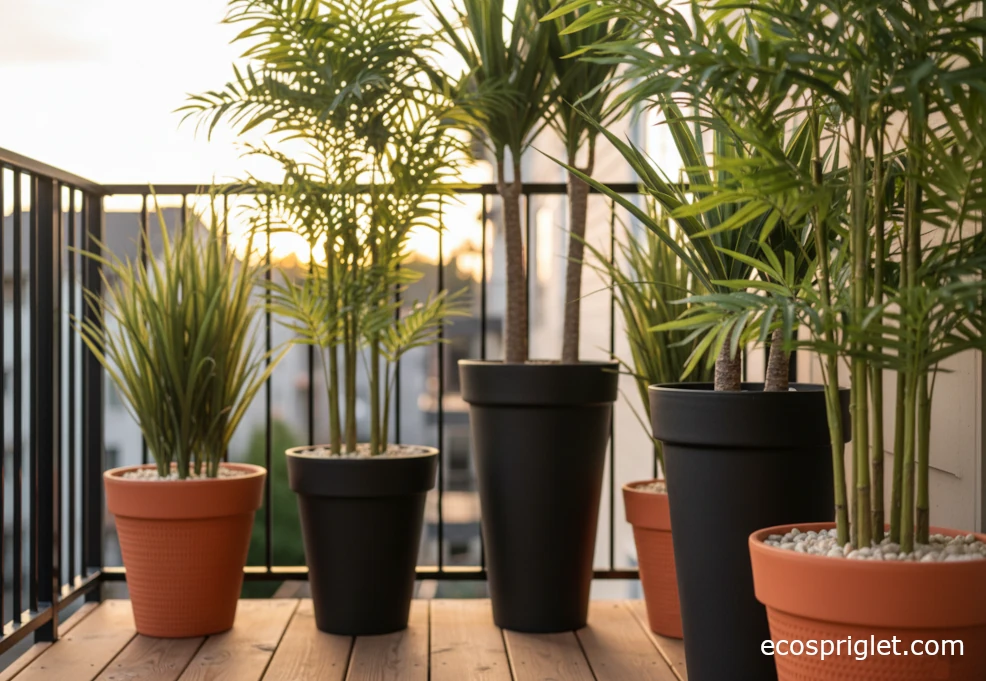
On my own balcony, a simple row of bamboo palms and a snake plant “panel” screens the neighboring staircase without making the railing feel like a fortress. Indoors, you can get the same effect beside a sliding door, along a low TV console, or next to your desk if you’re trying to hide a cluttered hallway from view during video calls.
Choosing Tall Narrow Indoor Plants That Fit Your Light
The best tall skinny indoor plants for privacy are the ones that match the light you actually have, not the light you wish you had. Before you buy anything, stand in the spot you want to screen and notice how many hours of direct sun hit that area on a typical day. A south or west window with 4–6 hours of direct sun is “bright”; one where the sun never hits the floor but the area is still nicely lit is “bright indirect”; and a room where you’d happily read with the lights off during the day is “low light.”
Many indoor palms, like bamboo palm (Chamaedorea seifrizii), prefer bright, indirect light near an east, south, or west-facing window but will tolerate lower light with slower growth. Snake plants (formerly Sansevieria, now Dracaena trifasciata) will handle almost anything from bright indirect light down to fairly dim corners, though they won’t grow as fast in deep shade. Dracaenas, ficus, and other “indoor tree” types usually want bright, filtered light, not harsh direct sun through glass all day.
As a rough guide for privacy screens:
- Bright, indirect light: Bamboo palm, areca palm, many dracaenas, weeping fig (ficus).
- Mixed or medium light: Parlor palm, cane-style dracaenas, tall pothos or philodendron on slim trellises.
- Low light: Snake plant, ZZ plant (treat as tall narrow house plants when grown in grouped clumps).
If you’re unsure, start with a plant that’s known to be forgiving—snake plant, parlor palm, or ZZ—and place it where you get at least a bright, indirect glow for several hours. You can always upgrade to fussier tall narrow indoor plants once you’ve gotten a feel for your apartment’s microclimate.
Best Tall Skinny Indoor Plants for Natural Screens
Here are some of my favorite tall narrow house plants that behave like slim privacy trees when grown in containers. Always double-check pet safety if you share your space with curious cats or dogs, since several popular tall thin houseplants can be toxic if chewed. The ASPCA’s plant database is a great starting point.
- Bamboo palm (Chamaedorea seifrizii): Naturally upright, feathery fronds, and can reach 6–8 feet indoors over time. It stays relatively narrow if you choose a slim but deep pot. Many Chamaedorea species, including parlor palm, are listed as non-toxic to cats and dogs, making them a solid privacy option for pet homes.
- Snake plant (Dracaena trifasciata): Grows as a clump of vertical leaves, perfect for a tall narrow indoor planter; taller varieties can reach 3–4 feet. It’s extremely drought-tolerant but prone to rot if over-watered. Consider grouping two or three pots in a row for a strong visual “wall.”
- Cane-style dracaena: Many dracaenas naturally grow as slim canes with foliage at the top, giving a true “indoor tree” look. Variety names change often, so focus on the shape: multiple thin trunks that can be spaced in a trough planter for a layered, airy screen.
- Weeping fig (Ficus benjamina) or fiddle-leaf fig (Ficus lyrata): These are classic tall narrow indoor plants when pruned to a slim canopy. They prefer warm temperatures and good light and don’t like sudden changes in conditions. Avoid if your pets are heavy leaf-chewers, as many ficus species are considered toxic.
- Trellised vines: Tall skinny indoor plants don’t have to be tree-shaped. Pothos, philodendron, or even hoya can be trained up a narrow trellis in a slim planter to create a vertical sheet of foliage that blocks views while letting light filter through.
If you’re just starting out, I usually suggest combining one forgiving “anchor” plant like a bamboo palm or snake plant with one more expressive plant like a ficus or trellised vine. That way, if the drama queen gets fussy, your green privacy screen still mostly works while you troubleshoot.

Picking a Tall Skinny Indoor Planter That Saves Floor Space
The planter matters just as much as the plant. A good tall skinny indoor planter needs enough depth and weight to keep your “tree” from tipping while still fitting in tight spots. Think of it as choosing the right shoes for a long day of standing—too flimsy and someone’s going to fall over.
For most tall narrow indoor plants, a pot at least 10–12 inches wide and 12–16 inches deep is a comfortable starting point; large palms or ficus may appreciate 14–18 inches wide. Taller, narrower planters look sleek, but they make top-heavy plants more wobbly. Using a soilless potting mix keeps things light, but you can safely add a small amount of clean coarse sand or gravel in the bottom portion (no more than about 10 percent of the total volume) to add weight for stability, as Colorado State University Extension suggests for top-heavy container plantings.
- Choose containers with drainage holes so you can water thoroughly.
- Use a saucer or waterproof tray under indoor pots to protect floors.
- Look for narrow trough planters (24–36 inches long) to line up multiple tall thin plants in one sleek piece.
- Place the planter 2–4 inches away from the wall or glass to allow air flow and prevent condensation damage.
I still remember the first time I crammed a tall dracaena into a cute but tiny pot because it “fit the corner.” Two weeks later, every time I opened the balcony door the whole plant wobbled like a jelly tower. Now I always check that the base of the planter is at least as wide as the foliage spread and add a bit of extra weight in the bottom if the plant feels even slightly tippy.
If you’re working with railings and ledges outdoors, also think about safety and building rules—heavy tall narrow planters should be secured or kept on the balcony floor, not balanced up high where a strong wind could knock them over.
Daily Care for Tall Thin Houseplants in Containers
Once your privacy plants are in place, the day-to-day care is mostly about getting watering and light right. Over-watering is the number one killer of indoor plants in tall narrow planters, especially for species like snake plant that prefer to dry out between drinks.
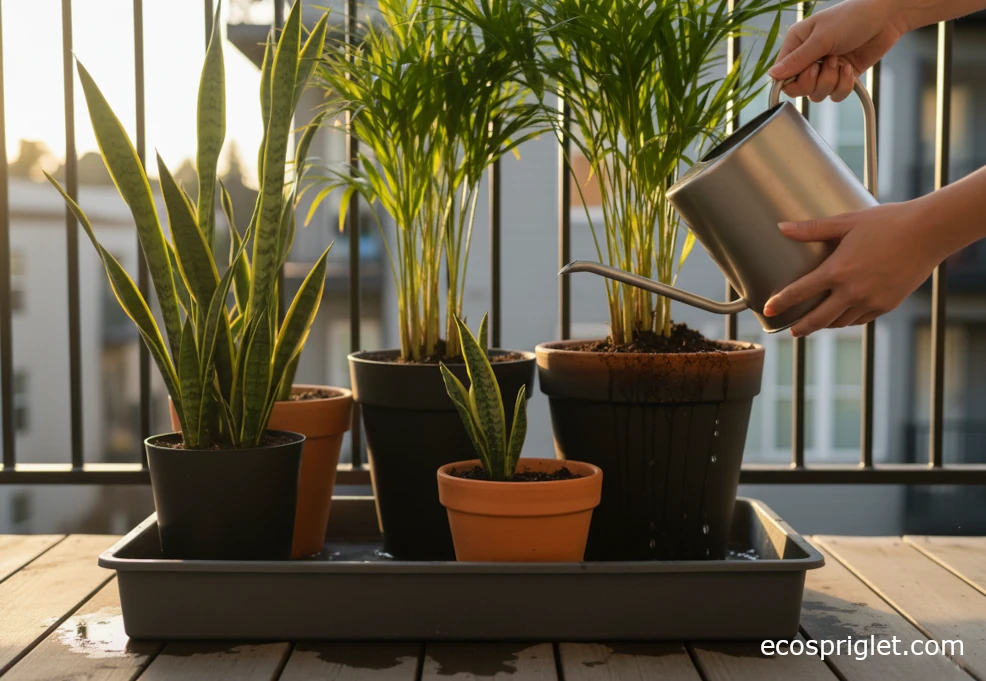
Many university extension services recommend a simple rule: water most houseplants when the top 1 inch of soil feels dry and then soak the pot until water drains freely from the bottom. For plants in containers 10 inches wide or larger, checking the top 1–2 inches is usually enough. Let the saucer fill, then empty it within about 30 minutes so the roots aren’t sitting in water.
Practical watering routine for tall skinny indoor plants:
- Check moisture with your finger once or twice a week. If the top 1–2 inches are dry and the pot feels light when you lift it, it’s time to water.
- Pour slowly until you see water at the drainage holes; avoid tiny “sips” that never reach the deeper roots.
- For drought-tolerant plants like snake plant or ZZ, wait until the mix is dry almost all the way down before watering again.
Light-wise, rotate your tall narrow house plants every few weeks so they don’t lean toward the window.
Dust leaves lightly with a damp cloth every month or so; organizations like the University of Maine note that cleaning foliage helps plants photosynthesize and lets you spot pests early. If your privacy screen starts thinning out at the bottom, that’s usually a sign of low light—try sliding the whole tall narrow indoor planter a bit closer to the window, or supplement with a simple clamp-on grow light.
Common Mistakes to Avoid With Tall Narrow Indoor Plants
Even experienced plant people fall into a few traps with tall thin indoor plants—especially when space is tight and the urge to squeeze “just one more” pot into a corner kicks in. Here are mistakes I see (and have made) all the time, plus how to dodge them.
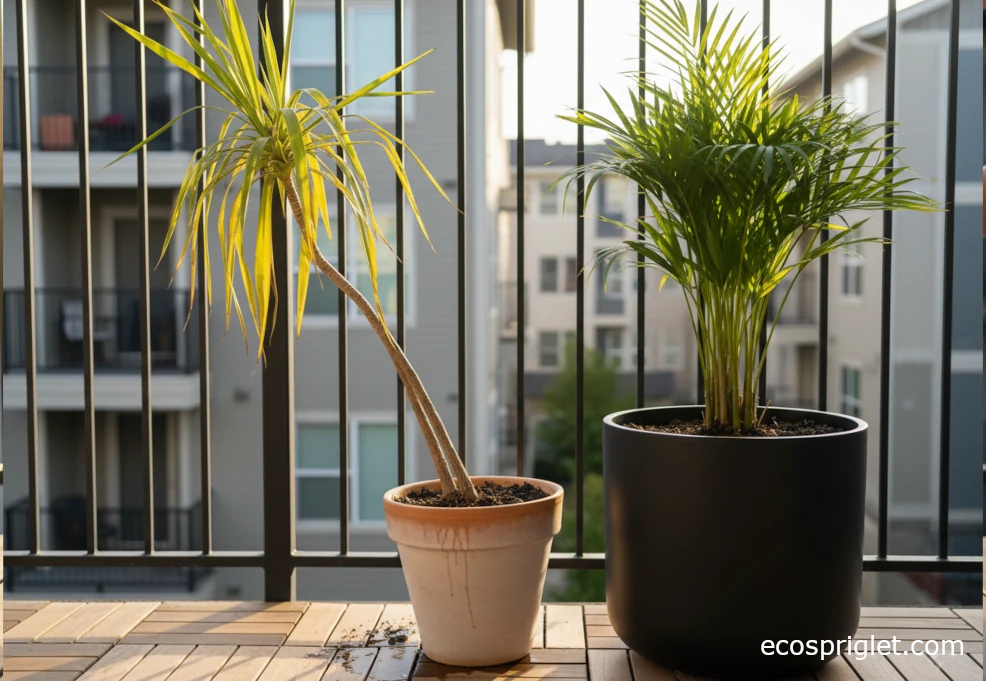
- Pots that are too small or too light: A tall plant in a tiny, lightweight pot is just waiting to tip. Choose a container with enough width and depth and consider adding a bit of weight lower down in the potting mix for stability, as container gardening guides suggest for top-heavy plants.
- No drainage holes: Tall narrow planters without drainage look sleek but make it hard to avoid root rot. If you love the look, slip a plastic nursery pot with holes inside the outer decorative pot instead.
- Over-crowding the planter: Stuffing too many tall skinny house plants into one slim trough looks great at first but can quickly lead to competition for water and nutrients. Leave a few inches between root balls and be ready to thin or divide plants as they grow.
- Ignoring plant toxicity: Many tall thin houseplants—especially dracaenas and ficus—can be toxic if chewed by pets. Always cross-check your wish list with a trusted resource like the ASPCA’s plant lists, and favor non-toxic options like many Chamaedorea palms when possible.
- Blocking all the light: A solid wall of foliage pressed right up to the glass can leave the rest of the room gloomy. Stagger heights and leave gaps so light can filter between your tall narrow trees for privacy.
I learned this the hard way when I lined an entire window with an unbroken hedge of palms. The privacy was fantastic; the room suddenly felt like a cave. Breaking the row into clusters with some lower plants in between made everything feel lighter while still hiding the view of the parking lot.
Creative Layout Ideas for Indoor Green Privacy Walls
Once you understand your light and plant choices, the fun part starts: arranging your tall narrow indoor plants so they feel like a designed feature instead of a random row of pots. The trick is to layer heights without losing that slim footprint.
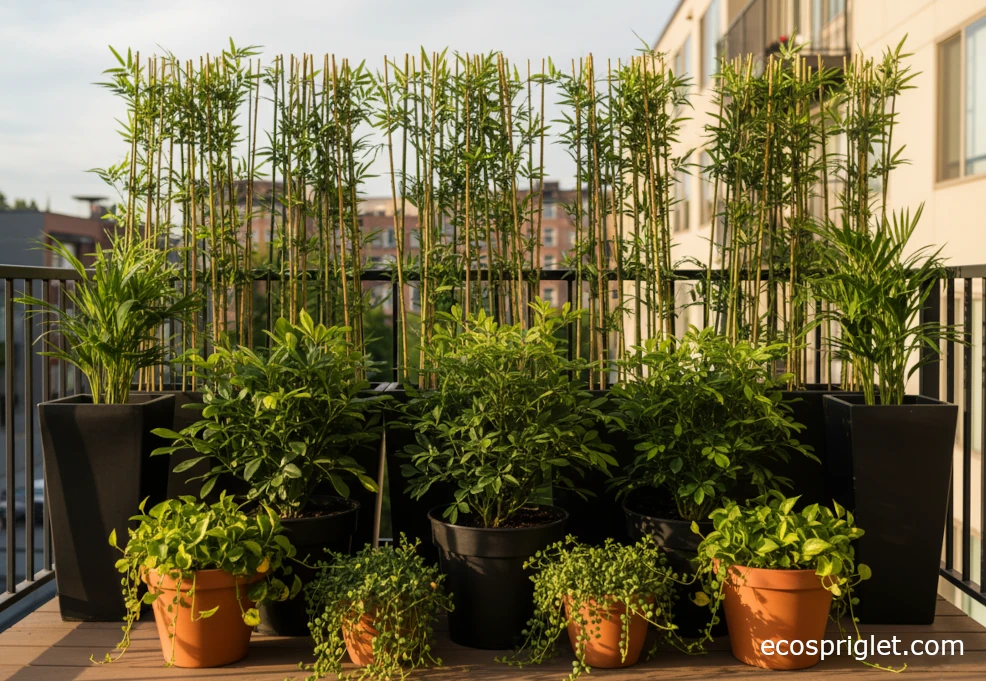
Think in “bands” from back to front. Against the window, railing, or wall, place your tallest narrow plants—bamboo palms, dracaenas, trellised vines. In front of those, use medium-height fillers in regular pots, and at the very front, a few low spillers in small planters to soften edges. The whole thing still takes up only about 12–18 inches of depth but reads like a lush green wall.
- Desk or sofa edge: A narrow trough planter with snake plants behind a sofa instantly blocks low sightlines from the hallway without closing off the room.
- Sliding door screen: Three tall skinny indoor planters on rolling stands can pivot as a flexible privacy “curtain” for balcony doors.
- Kitchen or home office nook: A tall narrow planter indoor placed between your workspace and the rest of the room makes a gentle divider without building a hard wall.
If you’re also working with outdoor space, you can mirror the same idea on the balcony side—tall narrow trees for privacy outside, tall narrow house plants just inside the glass. The two layers together can block long views while still letting light bounce between them. For more ideas on combining height in small spaces, check out our guides to apartment patios and and indoor herbs guide for inspiration.
At this point, you’ve got the ingredients: tall narrow indoor plants that behave like slim trees, tall skinny indoor planters that don’t hog your floor space, and a basic understanding of how to keep everything alive and upright. The final step is simply connecting those pieces into a plan that works for your actual apartment.
Start by choosing the one spot where privacy matters most—maybe the couch that’s in direct line of sight from another building, or the dining table that feels a little too exposed at night.
Measure how much length you have (for example, 48 inches of wall or window) and how much depth you can spare (often 12–16 inches is realistic). From there, sketch a simple layout: one long tall narrow planter indoor, or two to three individual tall skinny indoor planters grouped together, each with one or two tall thin indoor plants inside.
Then match plants to light and lifestyle. If you’re forgetful with watering, lean on snake plants and hardy palms; if you’re home a lot and enjoy fussing over foliage, add a ficus or trellised vine for drama. Follow basic houseplant guidance—water when the top inch of soil is dry, give bright filtered light where needed, and keep containers stable and well-drained, as many university and extension horticulture programs advise.
Most of all, treat your green screen as a flexible project rather than a one-and-done installation. Swap plants between spots, adjust planter spacing, and tweak heights until your tall narrow trees for privacy feel like they truly belong in your home.