If you’ve ever found a forgotten bag of potting mix behind a broom or under a balcony bench, you’ve probably wondered: does potting soil go bad in the bag? The honest answer is a little annoying (and a little comforting): potting soil doesn’t usually “spoil,” but it can absolutely become less useful. The structure can break down, the starter fertilizer can fade, and if the bag stayed damp, you can end up with mold, fungus gnats, or that sour swampy smell no plant deserves.
For balcony and indoor growers, the stakes are higher because container roots depend on air pockets as much as moisture. A mix that’s too compact holds water too long, invites pests, and makes houseplants sulk. The good news is you can often fix older potting soil with a few simple moves—without buying a whole new stack of bags.
Below, I’ll walk you through what “bad” really looks like, whether unopened bags are safe, how long opened mixes stay usable, and exactly how I refresh old potting soil for houseplants and container veggies.
What “Bad Potting Soil” Really Means
Potting soil (really potting mix) is more like a root-friendly sponge than “dirt.” Most bagged mixes are built from soilless ingredients like peat or coir, perlite/vermiculite, and sometimes compost or bark. Over time, two things tend to happen:
First, the physical structure changes. Fine particles settle, organic pieces continue decomposing, and the mix can lose those crucial air pockets that let roots breathe. University of Maryland Extension notes that soilless media and compost can lose nutrients and break down physically over time—especially after being used or stored poorly.
Second, the nutrition changes. Many bagged potting soils include a starter fertilizer charge that’s designed to help early growth, not carry you through a whole season. Oklahoma State University Extension points out that added fertilizers in new potting soil generally last about three to six months.
So when people ask “does potting soil expire,” what they’re often seeing is a mix that drains poorly, stays wet too long, or no longer feeds plants well. That’s fixable more often than not.

Does Potting Soil Go Bad If Unopened?
Most of the time, unopened bagged potting soil does not “go bad” in the sense of becoming dangerous or unusable. If it stayed mostly dry and sealed, the ingredients are stable enough to sit for a long while.
The real risk with unopened bags is moisture. A bag left outside against a wet wall, sitting on concrete, or under a leaky balcony cover can build condensation. Damp + organic material = microbial bloom, and that can mean mold or a sour odor. It can also create a welcoming nursery for fungus gnats if the bag gets colonized and then you bring it indoors.
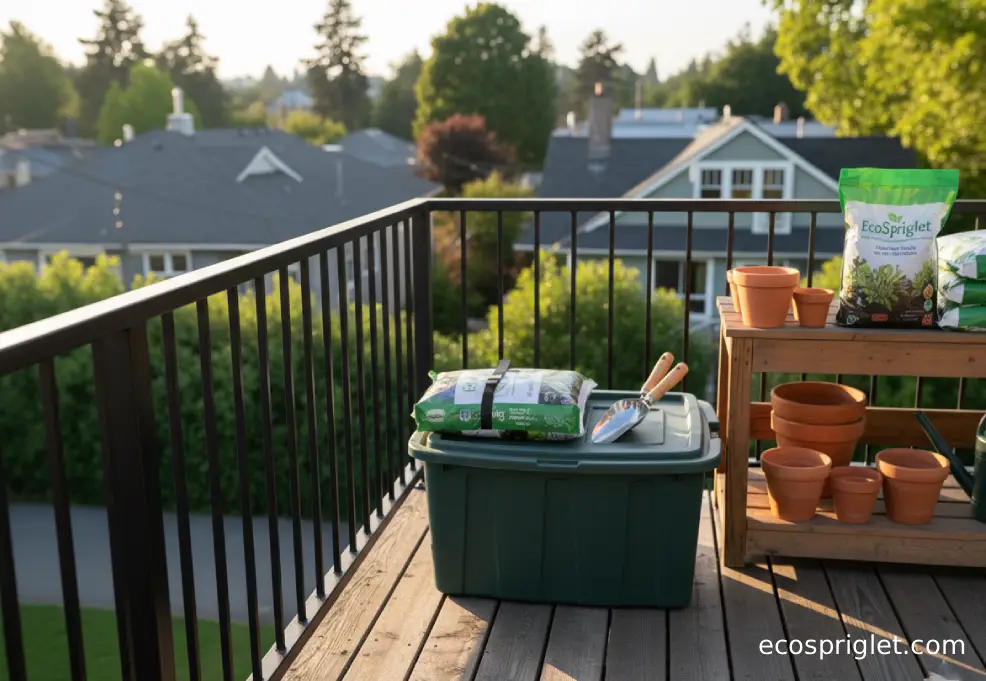
Practical storage rule for unopened bags: keep them dry, shaded, and off the ground. I like to set bags on a small plastic crate or a scrap board so moisture can’t wick up. If you’re tight on space, even a shallow storage tote under the bag helps.
If an unopened bag feels unusually heavy, squishy, or has obvious wet patches, open it outdoors first and inspect it before using it for indoor plants.

Does Potting Soil Go Bad in the Bag After It’s Opened?
Once a bag is opened, you’ve basically invited your local environment into the mix—humidity, spores, insects, and all. That doesn’t automatically ruin it, but it changes what can happen next.
The biggest quality killers are repeated damp-dry cycles and long periods of dampness. If the mix stays damp in an open bag, it’s more likely to clump, smell funky, and attract gnats. Cornell’s Integrated Pest Management notes that fungus gnat larvae thrive in damp potting mixes rich in fungi and organic matter—exactly what you get when a bag sits open and wet.
For apartment gardeners, the easiest “good enough” approach is:
- Roll the bag tight, clip it shut, and put it in a lidded bin.
- Store it indoors or in a truly dry closet-like spot on the balcony.
- Keep it out of direct rain and away from drippy planters overhead.
Even with perfect storage, expect to refresh opened potting soil before using it for anything picky (seedlings, houseplants, herbs). It’s normal—containers are demanding.
Does Indoor Potting Soil Go Bad Faster?
Indoor potting soil doesn’t necessarily degrade faster because it’s indoors. The bigger issue is that indoor conditions make problems more noticeable and more annoying.
Fungus gnats are the classic example. Indoors, a few adults can turn into a constant loop because the environment is stable, and we tend to overwater houseplants (especially in winter). Cornell IPM emphasizes that damp potting mix supports fungus gnat development. Translation: a mix that stays wet for days is basically an all-you-can-eat buffet for gnat larvae.
For indoor use, I’m pickier about stored mixes. If a bag has any suspicious smell, visible mold fuzz across large areas, or obvious insect activity, I don’t use it in the living room. I’ll either refresh it aggressively and use it outdoors, or I’ll repurpose it for non-sensitive jobs (more on that later).
How to Tell If Potting Soil Is Still Usable
I remember opening an old bag years ago and thinking, “It’s fine—soil is soil.” Then I watered one pothos and it stayed wet for what felt like a full week. That plant taught me (politely, with yellow leaves) that texture matters.
Here’s my quick usability check:
- Smell: Earthy is normal. Sour, rotten, or ammonia-like smells suggest anaerobic conditions—skip it for indoor plants.
- Texture: If it’s mostly dust-fine and compacts into a hard clod, it will hold too much water. Plan to refresh heavily.
- Mold: A little surface mold in a damp bag isn’t rare. If it’s widespread, thick, and the mix is soggy, treat it as compromised.
- Pests: Tiny flying gnats when you disturb the bag, or visible larvae, mean the mix has been wet long enough to host them. Use outdoors only unless you’re willing to treat it.
If it passes the smell test and you can fluff it back up with your hands, it’s usually safe to use—especially outdoors. If it fails on smell and structure, you’ll get better results repurposing it rather than forcing it into a houseplant pot.

How to Refresh Old Potting Soil So It Works Again
If the mix is just “tired” (not diseased or foul), refreshing is usually faster than hauling more bags upstairs. University of Maryland Extension recommends blending old growing media with fresh media and/or compost, and a simple 50:50 mix is a solid baseline for most containers.
My balcony-friendly refresh recipe depends on what you’re growing:
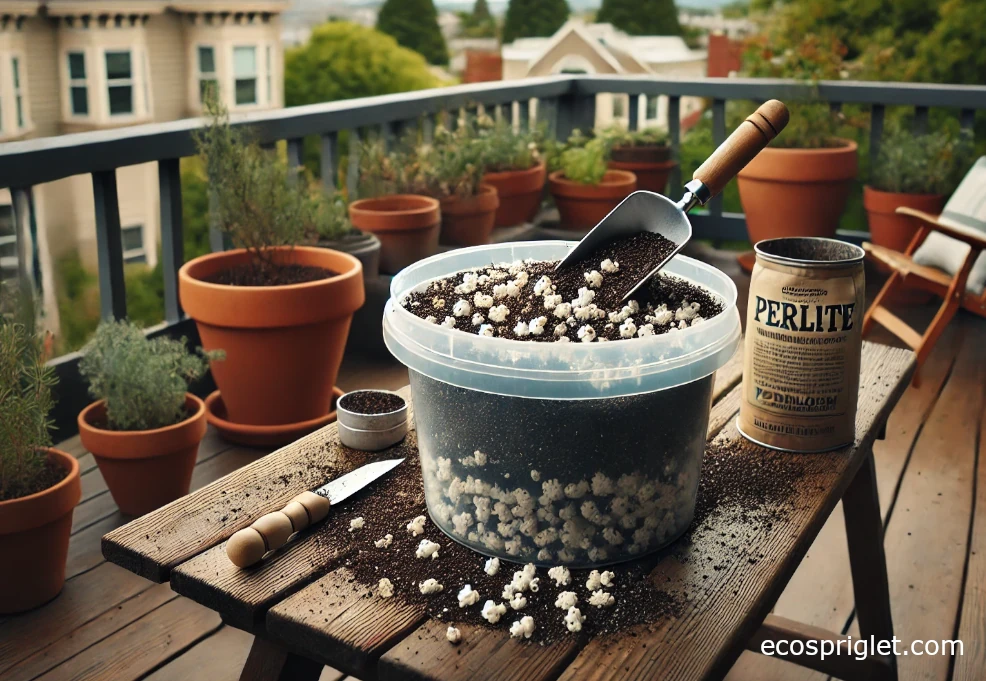
For houseplants and herbs (drainage matters): Mix 1 part old potting soil with 1 part fresh potting mix. If the old mix seems heavy, add a generous handful of perlite for every gallon you’re rebuilding to restore air space.
For outdoor flowers and leafy greens: You can often push the old mix further—think 2 parts old to 1 part fresh—if you add compost and keep an eye on drainage.
Then fix the nutrition. Oklahoma State University Extension notes that the starter fertilizer in many potting soils lasts roughly three to six months, so assume an older bag has very little left. I’ll either blend in a slow-release fertilizer (following label rates) or plan on light liquid feeding once plants are established. The Royal Horticultural Society also emphasizes checking compost instructions for how long added fertilizers last, then supplementing when needed.
If you want a more thorough sanitizing approach for reused mixes, our step-by-step is here: How to Sanitize Soil .

When You Should Toss Potting Soil Instead of Reusing It
There are a few situations where I don’t try to “save” potting soil—especially in small spaces where problems spread fast.
Skip reusing potting soil if:
- The previous plant had clear root disease, severe wilting unrelated to watering, or persistent pests.
- The mix contains lots of old roots and can’t be cleaned up without turning into dust.
- It smells strongly rotten or chemical-like even after drying out.
University of Maryland Extension specifically cautions against saving growing media if root diseases were a problem. That’s advice I follow religiously—one bad reuse can cost you a whole shelf of houseplants.
If you’re unsure, the conservative play is to use questionable mix outdoors for non-edibles (or repurpose it), and keep indoor pots and edible containers on the cleanest media you can manage.

Common Mistakes New Balcony Gardeners Make With Stored Potting Soil
I’ve made every one of these mistakes at least once, usually while juggling too many seedlings on too small a table.
- Storing bags directly on concrete: Moisture can creep in and keep the bottom of the bag damp. Elevate it.
- Leaving the bag “kind of” closed: Roll it tight, clip it, then put it in a bin if you can.
- Using old mix straight for houseplants: If it’s older or previously used, refresh it first so it drains well.
- Assuming fertilizer is still in there: Starter charges don’t last forever—plan to feed.
- Overwatering revived mixes: Older media can hold water differently; water only when the top 1–2 inches feel dry.
If you fix just one habit, make it this: keep stored potting soil dry. Dry storage prevents the stink, the mold bloom, and a lot of the gnat drama.

Creative Ways to Use “Tired” Potting Soil (So It Doesn’t Go to Waste)
If a mix is too broken down for prime-time planting, it can still be useful. This is where apartment gardeners can get creative without taking up more space.
Some practical reuse ideas:
- Filler for big decorative pots: Use tired mix in the bottom third, then top with a fresh, well-draining mix where roots will live.
- Topdressing for non-edible outdoor planters: A thin layer can reduce splash and help moisture retention (don’t bury stems).
- Compost ingredient: Mix it into your compost bin or a small balcony compost system to keep things balanced.
- Garden bed amendment: If you have access to a community garden plot, blend small amounts into beds as organic matter.
I avoid using tired, compacted mix for seed-starting. Seeds and tiny roots are less forgiving, and you’ll get better germination with a fresh seed-starting mix or a refreshed, fluffy blend.
A Quick Decision Table for Old or Stored Potting Soil
| What You Notice | What It Means | What To Do |
|---|---|---|
| Dry, smells earthy, fluffs up easily | Likely fine | Use as-is outdoors, or refresh lightly for indoor pots |
| Clumpy, drains slowly, compacts when squeezed | Structure breakdown | Blend 50:50 with fresh mix; add perlite to improve air space |
| White mold in spots, mix feels damp | Stored too wet | Dry it out, discard badly affected portions; use outdoors only if unsure |
| Sour/rotten smell, very soggy | Anaerobic conditions | Repurpose (filler/compost) or toss; avoid indoor use |
| Fungus gnats or larvae present | Wet, microbe-rich environment | Dry the mix and treat; avoid bringing it indoors until resolved |
Potting soil doesn’t have to be perfect to be useful—but it does need to match the job. Keep the cleanest, fluffiest mixes for indoor plants, seedlings, and edible containers. Use refreshed or repurposed mixes for bigger outdoor planters and ornamental projects where a little imperfection won’t ruin your week.
Ready to set yourself up for fewer pests and better growth this season? Start with two habits: store bags dry and sealed, and refresh older mixes before they go into a pot.