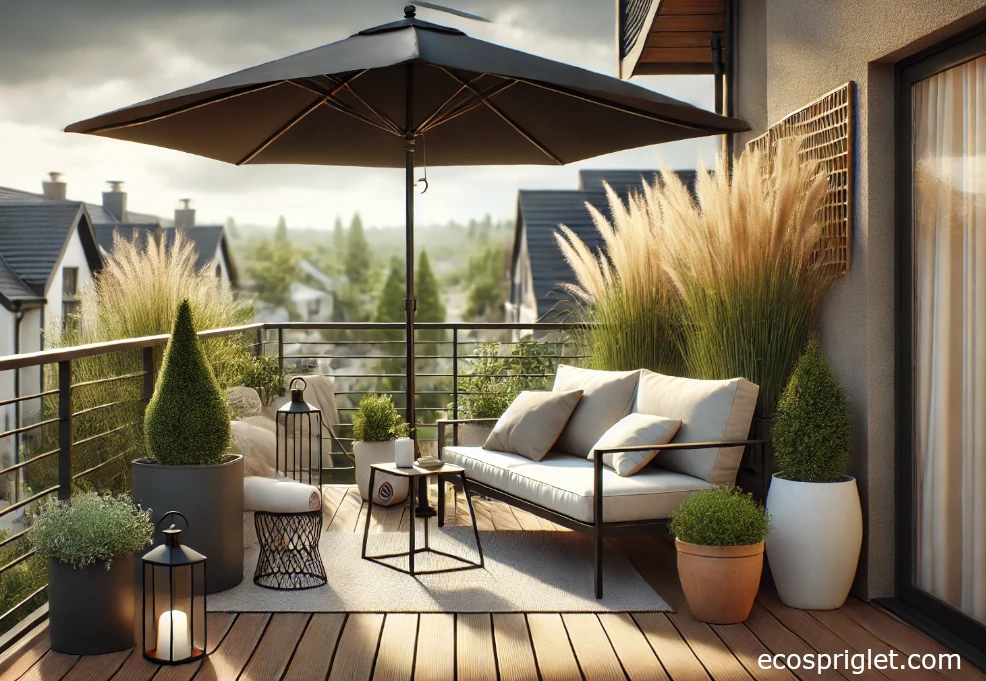
If you’ve ever tried to balance a love of greenery with a curious dog who treats leaves like salad, I get it. I garden on a small Portland terrace, and even there, the “sniff-test” from pets is real—indoors, it’s even more up-close and personal. The good news: you can absolutely keep a lush, calming home without stocking up on toxic house plants to dogs.
This guide is built for apartment life: limited light, limited floor space, and plenty of opportunities for a tail to knock over a pot. We’ll focus on indoor plants safe for dogs (the genuinely dog-safe picks, not the “probably fine” ones), plus how to shop, where to place them, and how to care for them so they stay attractive and less tempting to chew. You’ll also get a quick “watch list” of house plants harmful to dogs that are commonly sold right next to safer look-alikes.
Quick note before we dig in: “non-toxic” doesn’t mean “edible.” Even house plants okay for dogs can cause stomach upset if your pup goes to town on them. The goal is to pick houseplants not toxic to dogs and set your home up so nibbling doesn’t become a hobby.
What “Dog-Safe” Really Means Indoors
When people search for “house plants not poisonous to dogs,” they usually mean one thing: if my dog takes a bite, will it be dangerous? That’s exactly the right question—and the most reliable shortcut is to cross-check against the ASPCA Animal Poison Control Center’s database, which separates toxic vs. non-toxic plants for dogs.
A few important (and very apartment-relevant) realities:
- Non-toxic still isn’t a snack. The ASPCA notes that eating plant material can still cause vomiting or gastrointestinal upset, even when the plant is listed as non-toxic.
- “Safe” depends on the actual plant identity. Common names get messy. “Palm,” for example, can mean a safe palm… or a sago palm (which is not safe).
- Chewing is also a choking/obstruction risk. Long, stringy leaves and tough stems can be a mechanical problem even if the plant isn’t poisonous.
My rule: choose indoor plants dog safe from a trusted list, then design your space so your dog rarely gets the chance to sample them. You’ll end up with healthier plants and a calmer household.
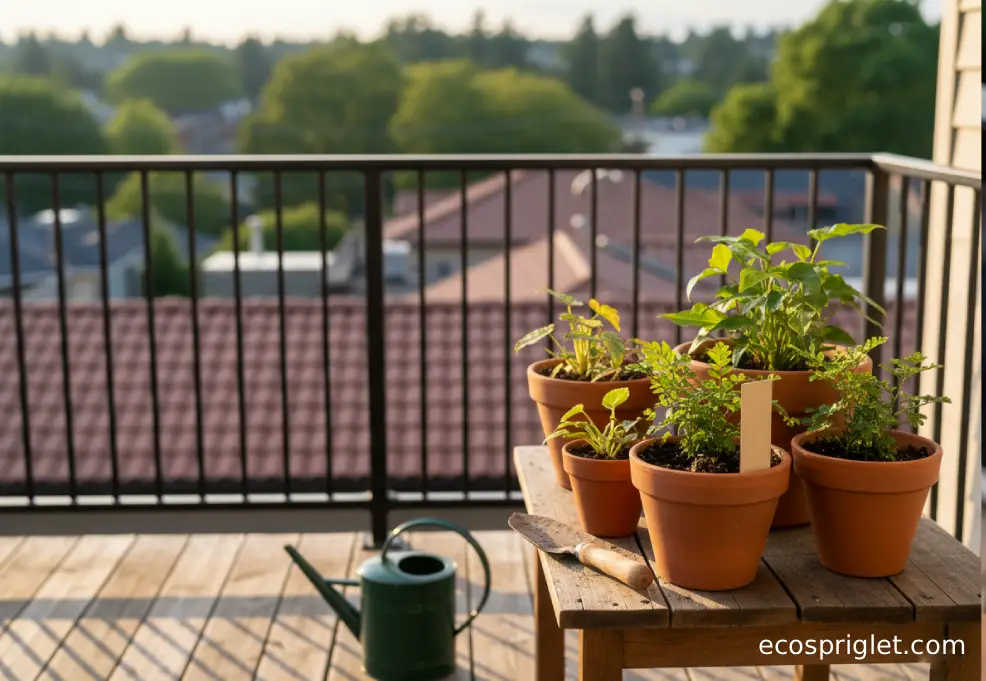
12 Indoor Plants Safe for Dogs That Thrive in Apartments
Below are dependable, dog friendly indoor plants that are listed as non-toxic to dogs by the ASPCA. I’m also choosing options that don’t demand greenhouse-level humidity—because most of us don’t live in a spa.
| Plant (Common Name) | Apartment Light Sweet Spot | Watering Trigger | Why It’s Great Indoors |
|---|---|---|---|
| Spider Plant | Bright, indirect light; tolerates medium | Water when top 1–2 in feel dry | Fast to bounce back; easy starter plant |
| Boston Fern | Medium to bright, indirect | Don’t let it fully dry; check 2x/week | Soft texture; great “green volume” |
| Areca Palm | Bright, indirect; near a window is ideal | Water when top 1–2 in feel dry | Tall, airy, makes a room feel bigger |
| Parlor Palm | Low to medium; steady, forgiving | Water when top 1–2 in feel dry | One of the best low-light “palms” |
| Calathea (Prayer Plant Family) | Medium, indirect; avoid harsh sun | Water when top 1 in is dry | Patterned leaves without dog-toxicity stress |
| Peperomia (many types) | Bright to medium, indirect | Let top 2 in dry; then water well | Compact, tidy, great for shelves |
| Phalaenopsis Orchid | Bright, indirect | Water when bark mix is nearly dry | Blooms for weeks; elegant on a windowsill |
| African Violet | Bright, indirect | Keep evenly moist; avoid soggy soil | Small footprint with reliable flowers |
| Friendship Plant (Pilea involucrata) | Medium, indirect | Water when top 1–2 in feel dry | Textured leaves; stays compact |
| Christmas Cactus | Bright, indirect | Let top 1–2 in dry, then water | Seasonal blooms; forgiving “succulent-ish” habit |
| Zebra Haworthia | Bright light; some direct is okay | Let soil dry out well between waterings | Hard to kill; great for sunny ledges |
| Additional “Bench Options” | Varies (double-check label) | Match plant type | Many more house plants safe for dogs exist—verify first |
Two quick shopping-and-care tips that save beginners a lot of frustration:
- Choose a stable pot size. For most of these, a 6–8 in pot is a sweet spot to start—big enough to buffer drying, small enough to move away from curious noses.
- Don’t “upgrade” light too fast. If a plant has been living under store LEDs, putting it straight into hot sun can scorch it. Increase light over 7–10 days.

How to Shop for House Plants That Are Safe for Dogs
If you take one habit from this guide, let it be this: shop by botanical name, not just the cute common name on the tag. The ASPCA database is organized by plant identity, and common names can be recycled across totally different species.
Here’s a fast apartment-friendly buying checklist:
- Snap a photo of the tag (especially the Latin name) and cross-check it before checkout.
- Watch for look-alikes. “Palm” is the big one—many true palms are fine, but sago palm is a notorious toxic plant.
- Avoid “mystery foliage” bouquets. Mixed planters can hide something unsafe.
One more practical note: if your dog is a dedicated chewer, choose plants with a sturdier growth habit (peperomia, haworthia, parlor palm) and skip the frilliest ferns until you’ve proven your placement strategy works.
Placement Tricks That Stop Chewing Without Ruining Your Decor
I remember when I first brought home a spider plant—two days later it looked like it had gotten a bad haircut. My dog wasn’t being “bad,” he was being a bored indoor creature who found something fun and crunchy. The fix wasn’t yelling; it was changing the setup.
Try these apartment-tested placement moves:
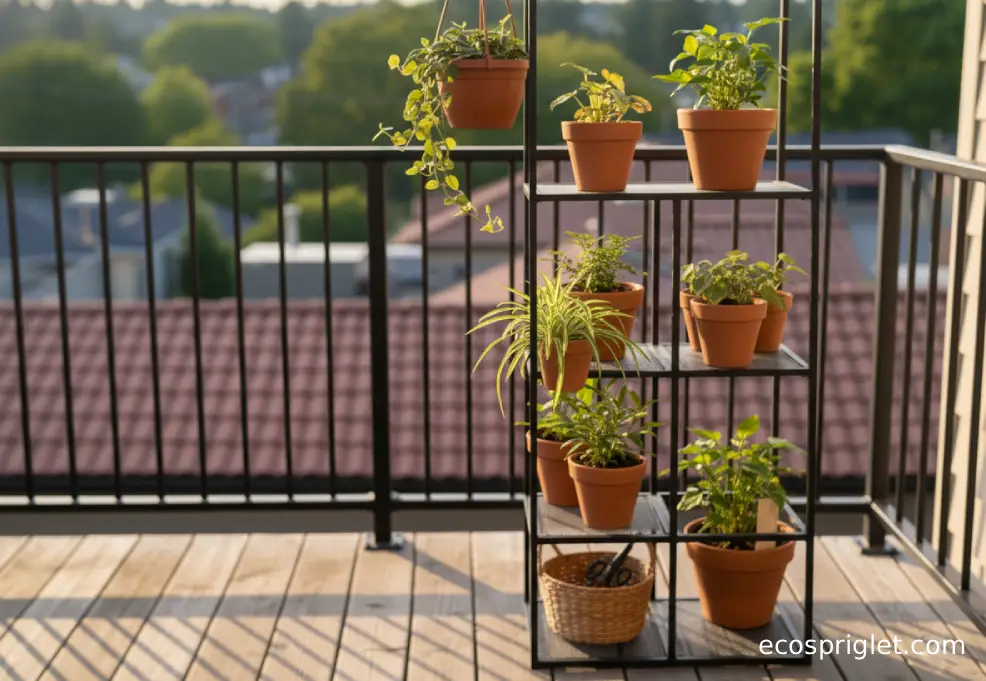
- Go vertical. Put tempting plants on a 36–48 in stand or a sturdy wall shelf. If a pot can be tail-swept, it’s too low.
- Use “buffer zones.” Place a heavy, low-value object (like a basket) in front of floor plants so noses can’t easily reach the pot.
- Separate play areas. If your dog gets the zoomies in the hallway, don’t put your best plants in that lane.
- Anchor your pots. Wider, heavier terracotta is harder to tip than lightweight plastic.
And yes, some folks try bitter sprays. They can help, but I treat them as a bonus—not the foundation. The foundation is: fewer opportunities, better placement, and giving your dog a real chew alternative.
Everyday Care for Dog Safe House Plants
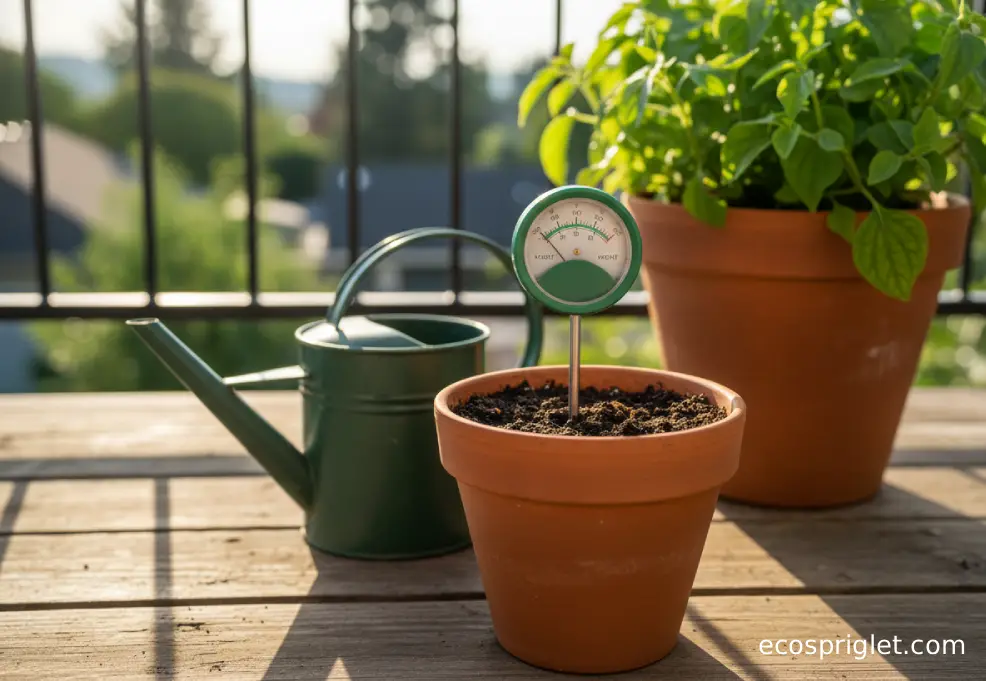
Most “plant drama” in apartments comes down to two things: watering and potting mix. Overwatered soil smells sour, invites fungus gnats, and makes leaves droop in a way that looks like thirst (which tricks beginners into watering again). The easiest safeguard is a simple trigger: check the soil first.
A solid rule of thumb from Extension guidance is to water when the soil feels dry about 1–2 inches down (or roughly the top inch for many common houseplants), then water thoroughly until excess drains out. Avoid watering by the calendar.
For potting mix, skip anything that feels heavy and muddy. Clemson’s indoor plant guidance highlights lightweight, soilless mixes (often peat or coir blended with perlite/vermiculite) because they drain well and are easier to manage in containers. Virginia Tech also describes common indoor mixes built from organic matter plus perlite/vermiculite.
Two practical care norms I use all the time:
- Repot gently: go up just 1–2 inches wider than the old pot. A huge pot holds extra wet mix and can rot roots.
- Fertilize lightly: in spring/summer, use a balanced houseplant fertilizer at 1/4–1/2 strength about once a month. In winter, many plants slow down—fertilize less or pause.
Troubleshooting When Dogs and Plants Collide
If Your Dog Chewed a “Safe” Plant
Even indoor plants not toxic to dogs can cause drooling, gagging, or an upset stomach if your pup ate a lot. The ASPCA specifically cautions that eating plant material can lead to vomiting or gastrointestinal upset. If your dog is acting unusual, call your veterinarian. If you suspect a toxic plant might be involved—or you’re not sure what was eaten—contact the ASPCA Animal Poison Control Center at (888) 426-4435 (a consultation fee may apply).
If the Plant Looks Worse After the Incident
Don’t panic-prune. First, stabilize it:
- Brush off damaged leaves and remove only fully torn stems.
- Water only if the top 1–2 inches are dry—avoid “comfort watering.”
- Move it to steady, indirect light for a week (not direct blast sun).
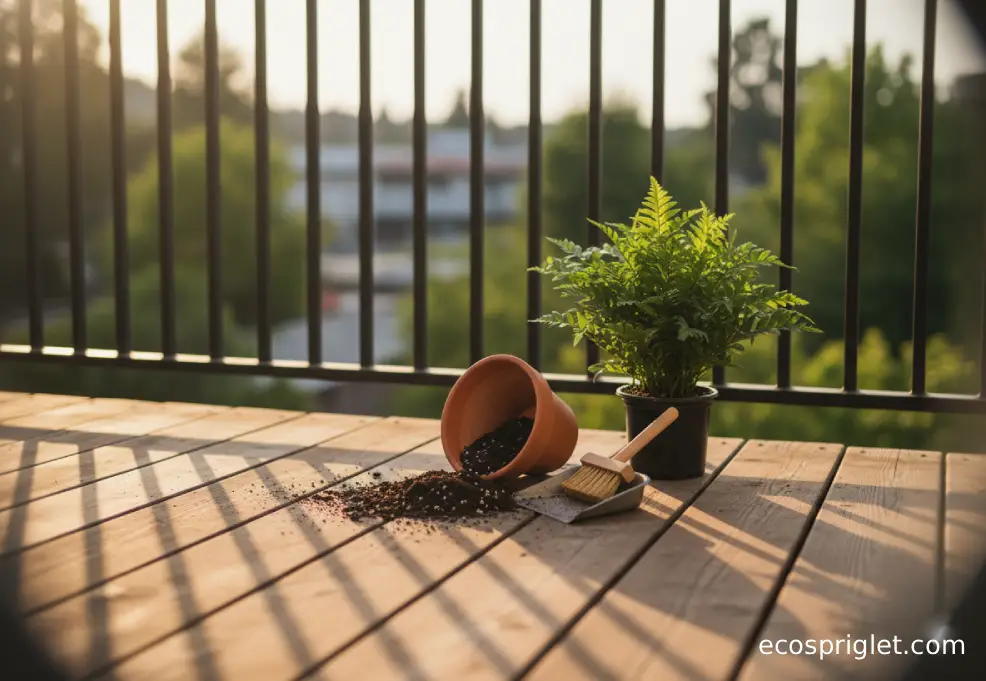
And if topsoil is constantly being dug at, add a thin layer of larger river stones on the surface—not to “improve drainage,” but to physically block digging. (Drainage comes from holes + good mix, not rocks at the bottom.)
Common Mistakes New Apartment Gardeners Make With Dog-Friendly Indoor Plants
I’ve watched more “house plants ok for dogs” fail from care issues than from the dog itself. These are the slip-ups I see most (and yes, I’ve made them too):
- Watering on a schedule. Extensions recommend checking soil moisture (about 1–2 inches down) instead of watering by the calendar.
- Buying a plant that doesn’t match your light. A parlor palm may tolerate lower light; an areca palm usually wants brighter, indirect light to stay full.
- Using a pot with no drainage hole. If you must use a decorative pot, keep the plant in a nursery pot inside it and empty the cachepot after watering.
- Assuming “pet-friendly” signage is enough. Always verify the exact plant—especially when labels are vague./li>
Fixing any one of these usually gets your plant back on track within a couple of weeks—faster if you catch it early.
Creative Ways to Build a Dog-Safe Indoor Jungle in a Small Space
If you want that “green room” feeling without inviting trouble, design with layers and zones:
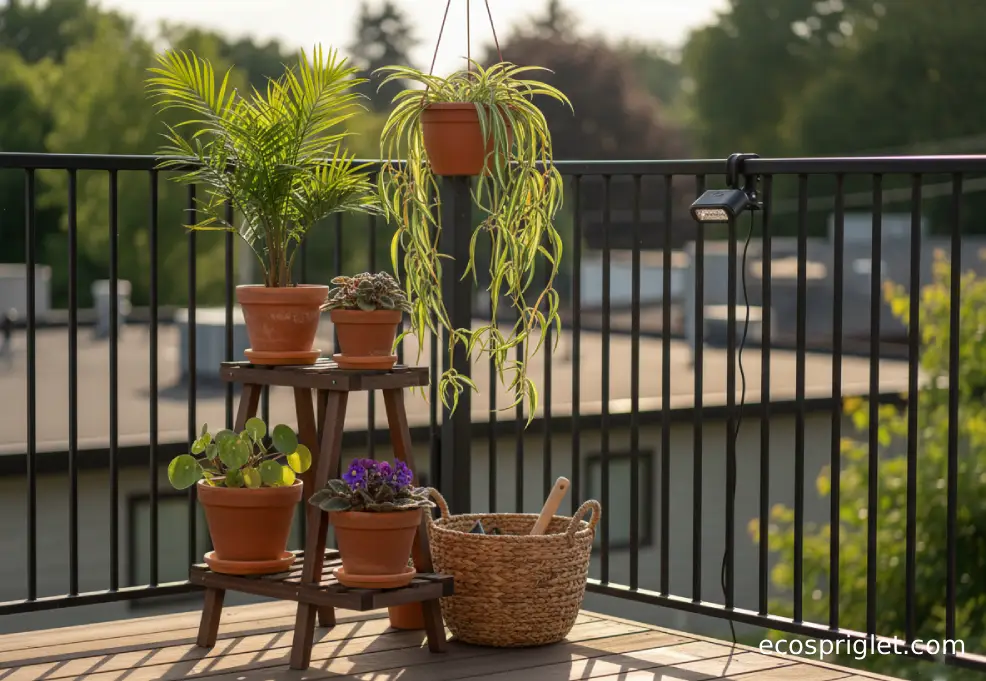
Start with a tall anchor plant (areca palm or parlor palm), then fill mid-level shelves with compact plants (peperomia, friendship plant, african violet). Finish with one hanging plant (spider plant) where it can drape safely above nose height. This keeps floor space open and makes cleaning easier—huge in apartments.
Two small-space upgrades I love:
- One discreet grow light for winter: it can keep medium-light plants looking good when days are short (place it above the plant, not shining across the room).
- A “potting station” tote: keep soil, scissors, and fertilizer sealed and out of reach. It prevents spills—and keeps curious noses out of products that aren’t meant to be sampled.
Conclusion: A Safe Home Can Still Be a Green Home
The simplest formula I’ve found is: pick truly non-toxic indoor plants for dogs, match them to your real apartment light, and then use vertical placement so your dog isn’t constantly tempted. When you do that, you’re not just avoiding toxic house plants to dogs—you’re creating a calmer routine for yourself, too. Less knocked-over soil, fewer emergency Google searches, and fewer sad-looking plants.
If you want a quick starting combo that looks great and behaves well indoors, try this: a parlor palm for height, a peperomia for a shelf, and an african violet for color—then add a spider plant only once you’ve dialed in a “no-chew” placement. And remember: even houseplants not toxic to dogs can still cause stomach upset if eaten, so good placement is part of pet safety.
Ready to make your space greener without stressing about safety? Start with your window map and build from there—then keep the ASPCA database bookmarked for every new plant crush you bring home.