Basil has a way of going from perfect to wilted almost overnight, especially in a warm apartment kitchen or on a sunny balcony in August. I’ve had more than one Portland summer where my little terrace basil suddenly doubled in size, then threatened to flower before I could use it all. That is exactly when learning how to preserve basil becomes less of a kitchen trick and more of a garden-saving habit.
The best method depends on how you cook. Freeze basil if you want the closest fresh flavor for soups, sauces, curries, and winter pasta. Dry it if you need shelf-stable seasoning, though the flavor becomes softer and less bright. Use the fridge only for short-term storage, and be careful with basil in olive oil because fresh herbs stored in oil can create food-safety risks if handled casually.
This guide is written for small-space growers: countertop jars, freezer trays, compact dehydrators, and no extra pantry required. Sources referenced for safety and preservation guidance include University of Minnesota Extension, Oregon State University Extension, Penn State Extension, FDA, FoodSafety.gov, and the National Center for Home Food Preservation.
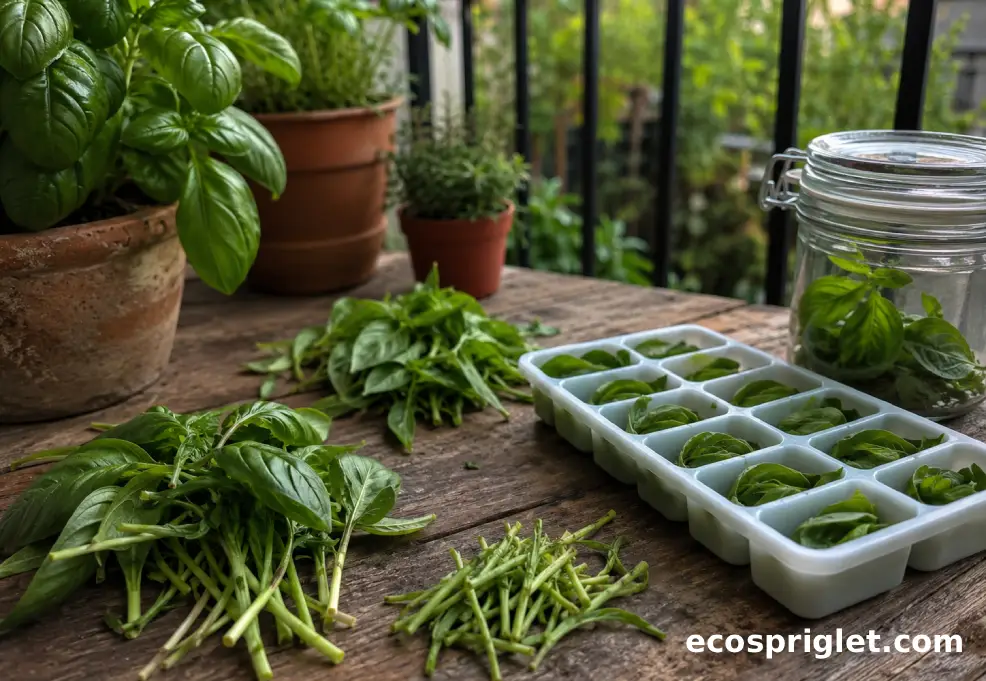
Pick the Right Method Before the Leaves Wilt
Think of basil preservation in three lanes: short-term fresh storage, freezer storage, and dried storage. Short-term storage keeps leaves flexible for a few meals. Freezing protects the bright, green flavor better than drying, especially for sweet basil and Thai basil. Drying is useful when freezer space is tight, but basil’s delicate leaves lose some of their fresh aroma.
University of Minnesota Extension notes that freezing basil usually gives a flavor closer to fresh basil, while Penn State Extension points out that frozen herbs become limp after thawing, so they work better in cooked dishes than as garnishes. That matches my kitchen experience: frozen basil cubes are lovely in tomato sauce, but they will not behave like just-picked leaves on a Caprese plate.
- For pasta sauce, soup, curry, and beans, freeze chopped basil in water or olive oil.
- For winter pesto, freeze small portions in an ice cube tray or shallow freezer container.
- For spice-cabinet use, dry leaves quickly until crisp, then store them whole.
- For tomorrow’s dinner, keep fresh cut stems in water or wrap leaves gently for the fridge.
One apartment-friendly rule: preserve basil the same day you harvest a big bunch. Basil bruises easily, and once the leaves blacken or smell musty, preservation will only lock in poor quality.
Start With Clean, Dry, High-Quality Leaves
Preserved basil is only as good as the leaves you start with. Choose leaves that are green, fragrant, and free of slimy spots, mildew, or heavy bruising. If your balcony plant is starting to flower, pinch off the flower buds and harvest the best leafy stems right away. Basil can become less productive and more bitter once it puts energy into seed, so don’t wait for the plant to look exhausted.
For the cleanest flavor, harvest in the morning after dew has dried but before the day turns hot. University of Minnesota Extension recommends mid-morning harvest for many culinary herbs because oil content is high then, and it also advises gathering only what you can dry or freeze at one time.
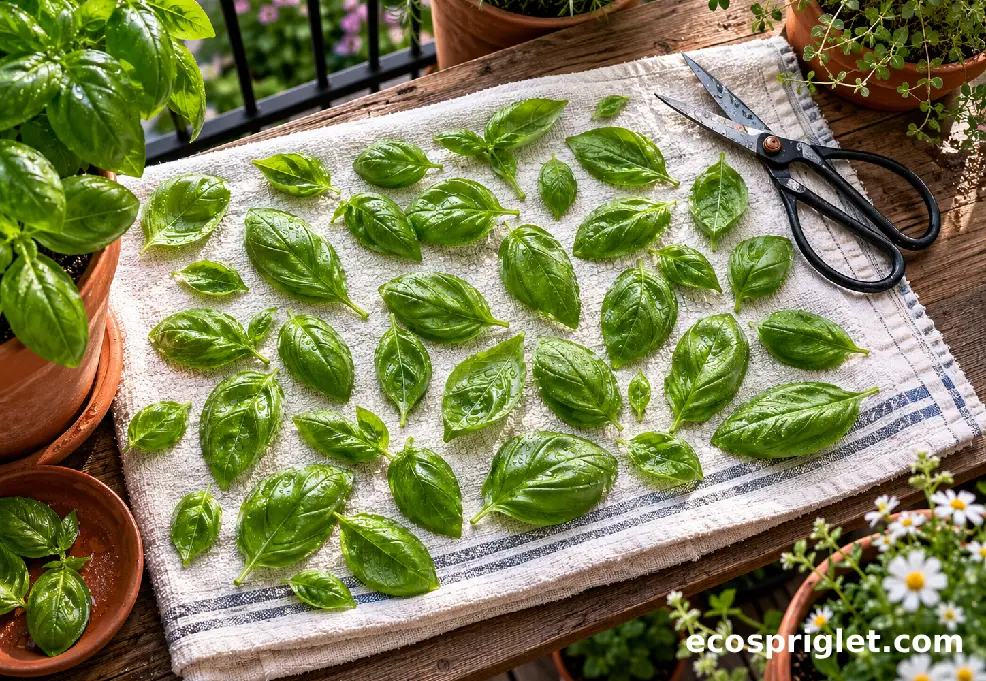
Rinse basil gently under cool running water or swish it in a bowl of cool water, then dry it thoroughly. FDA and FoodSafety.gov both recommend rinsing produce without soap, bleach, or produce washes, then drying it with a clean towel or paper towel. That drying step matters extra for basil: wet leaves freeze into icy clumps, dilute oil cubes, and can mold during drying.
I usually spread leaves on a clean towel for 20 to 30 minutes, then pat the tops lightly. A salad spinner works too, but use a gentle hand. Basil leaves bruise faster than parsley or rosemary, and bruised spots often turn dark in the freezer.
Freeze Basil Leaves for the Freshest Winter Flavor
Freezing is my first choice when someone asks how to preserve fresh basil for the winter. It keeps more of that soft, green, just-picked character than drying, and it fits apartment life because all you need is a tray, a freezer bag, and a little labeling discipline.
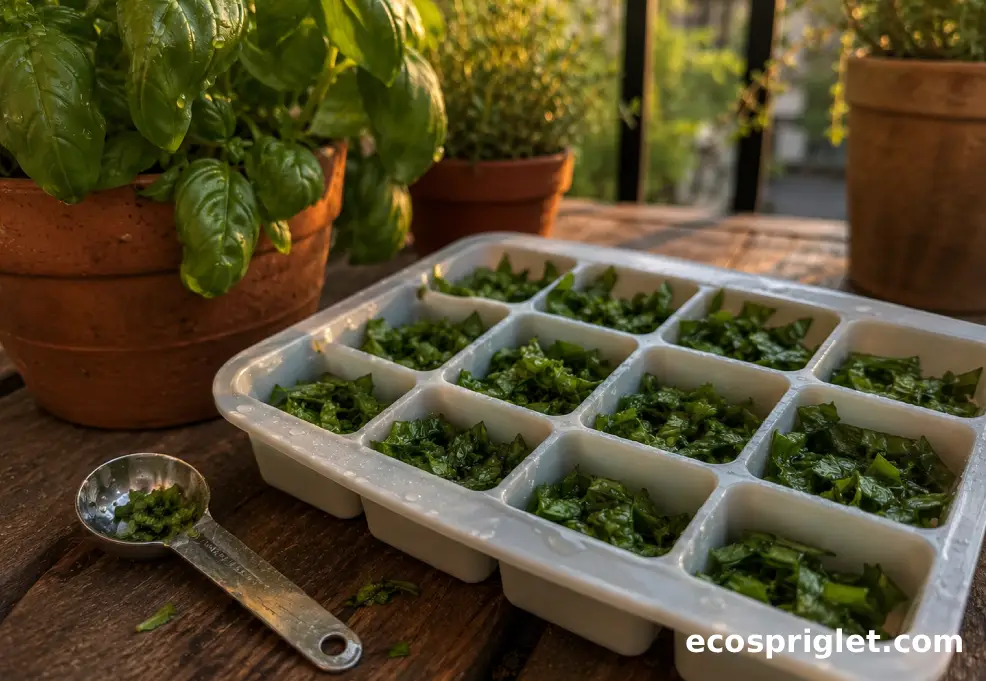
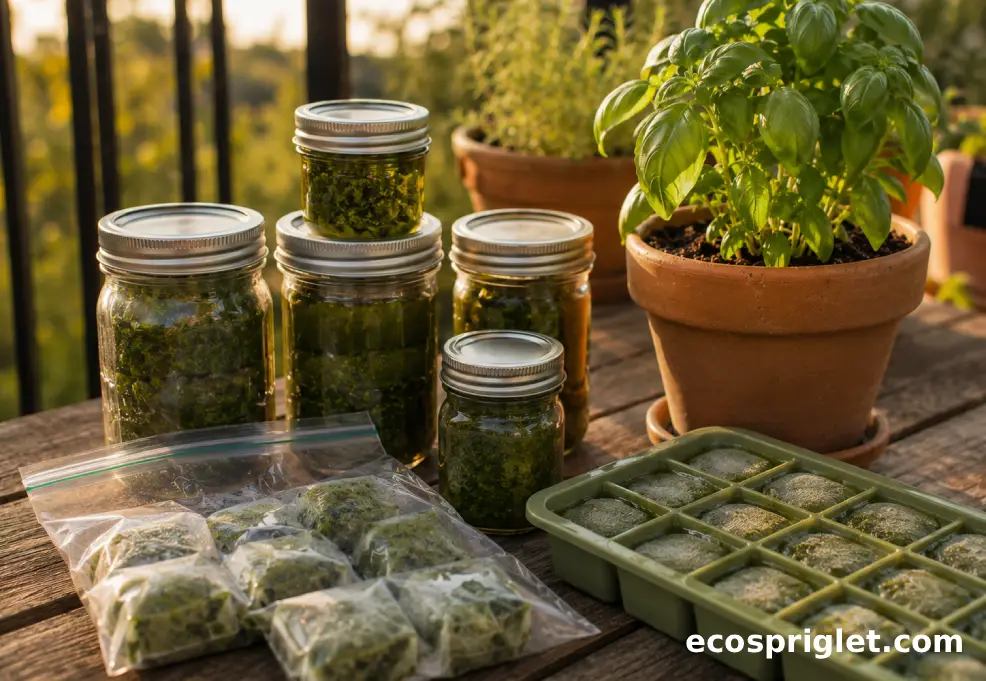
For a simple water-cube method, chop clean, dry basil and pack about 1 tablespoon into each section of an ice cube tray. Add just enough water to cover, press the leaves down, freeze solid, then transfer the cubes to a labeled freezer bag. Penn State Extension gives the same general approach for freezing herbs in trays and notes that basil can also be blanched briefly before freezing to slow enzyme activity.
- Use 1 cube for a small pan sauce, 2 to 3 cubes for a pot of soup, or 4 cubes for a big batch of tomato sauce.
- Freeze cubes solid within 24 hours, then move them to a freezer bag to prevent freezer burn.
- Keep your freezer at 0°F or below for safe frozen storage, following FoodSafety.gov guidance.
- Add frozen basil straight to hot food; thawing first makes the leaves limp and watery.
Blanching is optional. Dip larger basil leaves in boiling water for about 15 seconds, move them into ice water, then pat dry before freezing. It adds a few minutes, but it can help color. On busy weeknights, I skip blanching and accept a slightly darker cube because the flavor still carries beautifully into cooked dishes.
Use Olive Oil Safely, Especially With Pesto
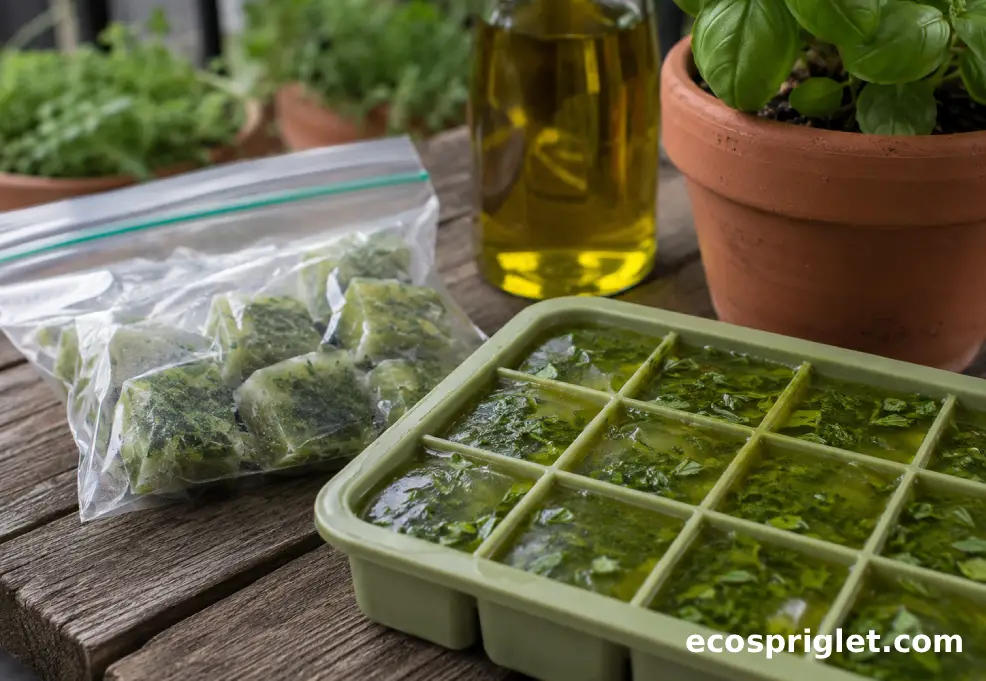
Basil in olive oil is convenient, but it is also the place where beginners need the clearest safety rule: fresh herbs in oil should not sit at room temperature. Oregon State University Extension explains that low-acid herbs and vegetables stored in oil can create conditions for Clostridium botulinum, the bacteria linked to botulism. Their guidance for home-prepared herbs and vegetables in oil is to refrigerate and use within 4 days, or freeze for longer storage.
The safest apartment-friendly habit is to freeze basil-oil cubes instead of keeping a jar on the counter. Chop clean, fully dry leaves, pack them into an ice cube tray, and cover with olive oil. Freeze until solid, then move the cubes into a labeled airtight freezer container. Use them in skillet sauces, minestrone, roasted vegetables, lentils, and quick pasta dinners.
Pesto follows the same short-clock logic. Oregon State University Extension says pesto should be refrigerated and used within 4 days or frozen for long-term storage, and that there are no researched canning times for pesto. Please do not can pesto at home unless you are following a tested process from an authoritative preservation source.
My small-freezer trick is to spread pesto in a thin layer inside a freezer bag, press out extra air, and freeze it flat. Once frozen, you can snap off a piece without thawing the whole batch. It takes less room than jars and works beautifully in an apartment freezer drawer.
Dry Basil When Shelf Space Matters More Than Fresh Flavor
Dried basil is not a perfect substitute for fresh, but it earns its place when you have limited freezer space or want an easy seasoning for roasted potatoes, tomato soup, beans, and homemade salad dressing. The key is speed. Basil has tender, high-moisture leaves, and Penn State Extension warns that tender-leaf herbs such as basil can mold if they are not dried quickly.
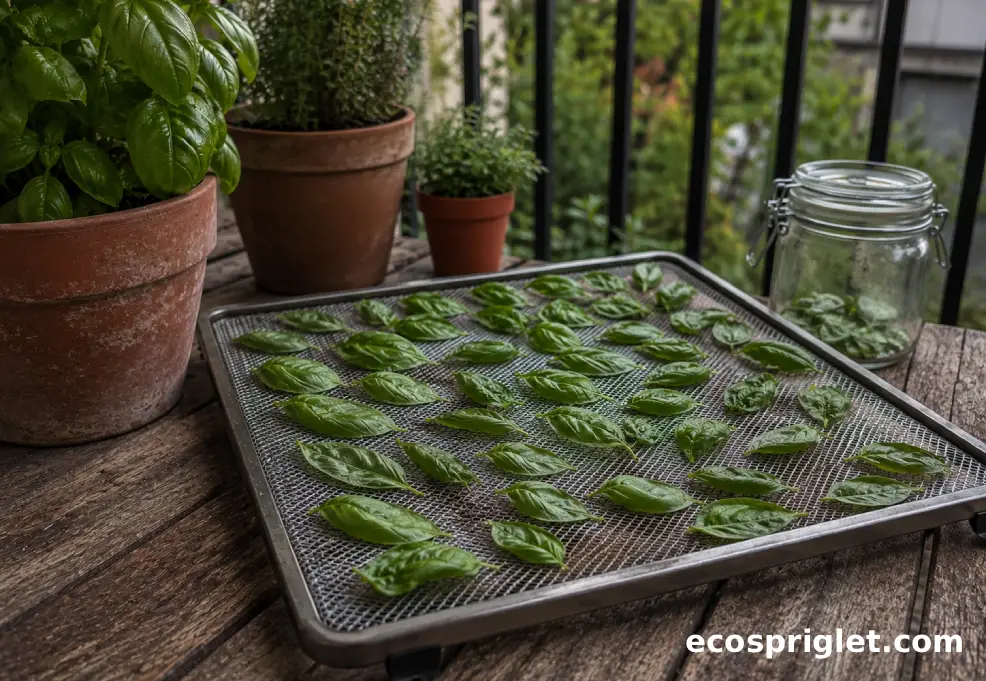
A dehydrator is the most reliable method for apartment gardeners because it uses controlled airflow and does not depend on perfect weather. Spread clean, dry leaves in a single layer and dry on the herb setting if your machine has one, or the lowest practical setting if it does not. The leaves are ready when they are crisp and crumble easily between your fingers. If they bend instead of shatter, give them more time.
Air drying can work in a dry, well-ventilated room, but avoid large bundles. A fat bunch of basil may look charming hanging from a cabinet, yet the inner leaves can stay damp long enough to mold. If you air dry, tie very small bundles or use a rack, keep leaves out of direct sun, and check them daily.
Store basil as whole leaves in an airtight jar in a cool, dark, dry cupboard. Oregon State University Extension recommends using dried herbs within 6 months to 1 year for best flavor and color, and the National Center for Home Food Preservation notes that dried herbs are usually 3 to 4 times stronger than fresh. Start with about one-third as much dried basil as fresh in a recipe, then adjust.
Keep Fresh Cut Basil Short-Term Without Black Leaves
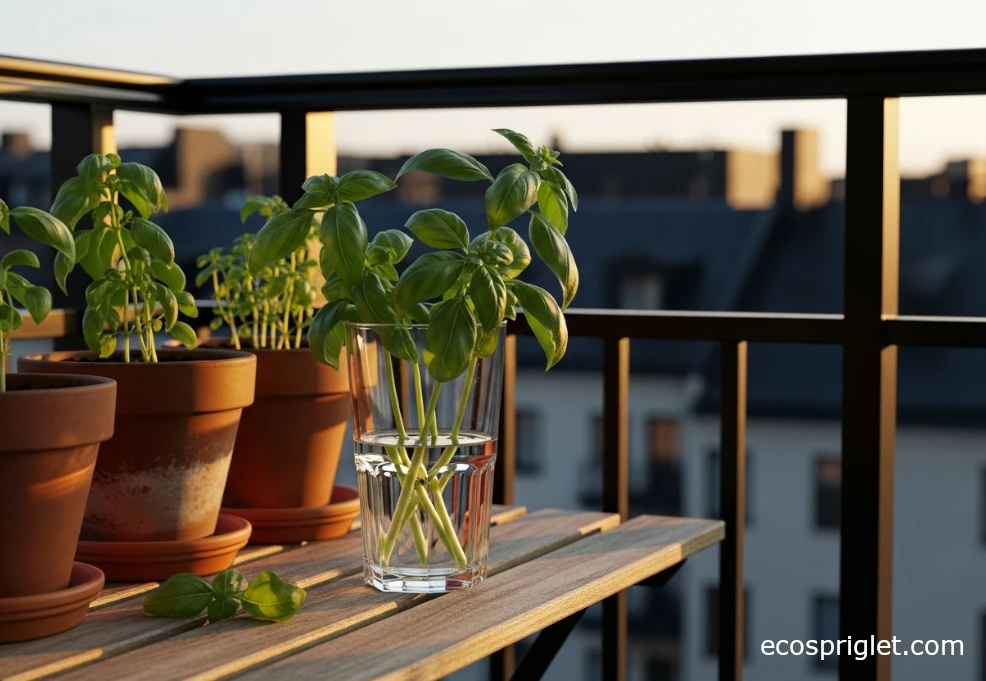
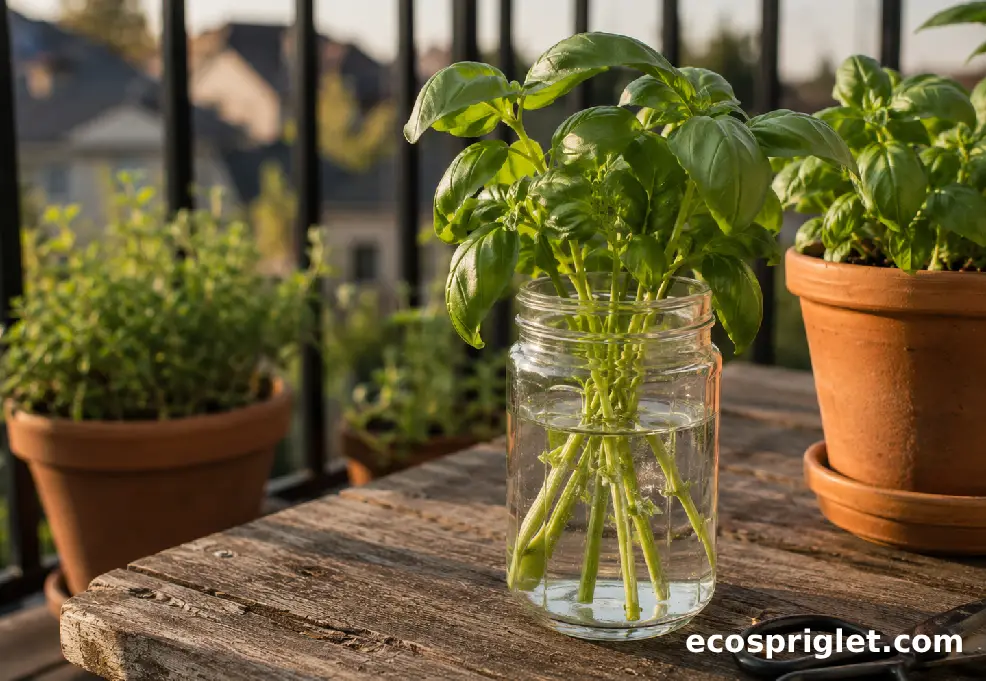
Fresh cut basil is happiest when treated more like a delicate bouquet than a bag of salad greens. For stems you plan to use within a day or two, trim the ends and place them in a small jar with about 1 inch of water. Keep the jar out of direct sun and away from a hot stove. Change the water daily if the stems are still there the next morning.
The fridge is trickier. Basil is cold sensitive, and Illinois Extension notes that cold air and soil can damage basil, with blackened leaves possible around 50°F. A standard refrigerator is colder than that, so fridge storage may protect food quality in one way but hurt basil texture and color in another.
If you need to preserve basil in the fridge for a short window, keep it dry and protected. Wrap leaves loosely in a barely damp paper towel, tuck them into a vented container or partly open bag, and place them toward the front of the fridge where temperatures are less harsh. Use them within 1 to 2 days. Do not push basil against the back wall of the refrigerator, where leaves can chill, freeze, or turn black faster.
For washed basil, dry it very well before refrigerating. Wet leaves pressed together in a bag become slimy quickly. If the basil is already chopped, blended, or mixed with oil, treat it as a short-term refrigerated food or freeze it right away.
Adjust the Method for Sweet Basil and Thai Basil
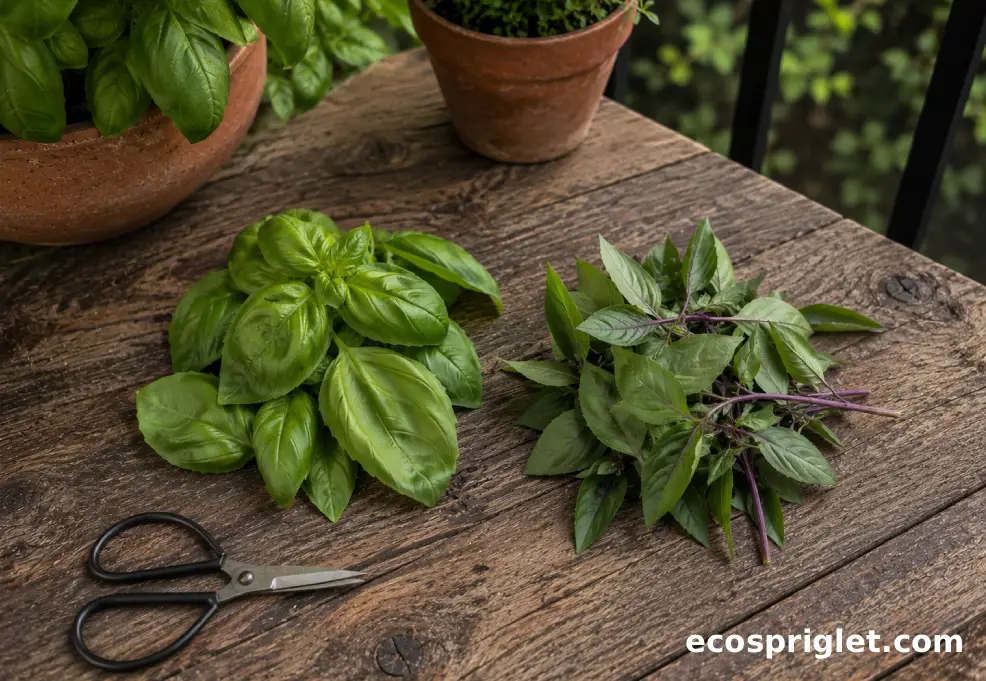
Sweet basil and Thai basil can be preserved with the same basic methods, but they shine in different places. Sweet basil is the classic choice for pesto, tomato sauce, minestrone, and basil-oil freezer cubes. Thai basil has a firmer texture and a spicy anise note that holds up beautifully in curries, noodle soups, stir-fries, and coconut-based dishes.
For sweet basil, I usually freeze more than I dry. The soft leaves lose some charm in the spice jar, while frozen cubes still taste sunny in January pasta sauce. For Thai basil, I like a split approach: freeze some chopped leaves in water for curry and dry a small batch for quick weeknight broths. Dried Thai basil will not taste exactly fresh, but it can add a gentle herbal note when fresh bunches are hard to find.
- Use sweet basil pesto cubes within hot pasta, tomato sauce, sandwiches, and roasted vegetable bowls.
- Use Thai basil water cubes in curry, pho-style broth, ramen, and stir-fries.
- Dry small-leaf tops separately from thick stems so leaves finish evenly.
- Label containers by type; frozen sweet basil and Thai basil look surprisingly similar after a month.
One mistake I made early on was mixing every basil variety into one freezer bag. It sounded efficient, but Thai basil’s anise flavor took over a batch of tomato soup. Now I label everything with the basil type and the month, even if the label is just a small piece of freezer tape.
Common Mistakes to Avoid
Most basil preservation problems come from waiting too long, leaving too much moisture on the leaves, or storing oil mixtures too casually. The good news is that these are easy to fix once you know what to watch for.
- Do not preserve slimy or moldy leaves. Compost them if you can, or discard them. Preservation does not rescue spoiled herbs.
- Do not freeze wet leaves in a thick clump. Dry them first and portion them small so you can use only what you need.
- Do not leave basil in oil on the counter. Refrigerate and use within 4 days, or freeze for longer storage.
- Do not dry big basil bundles in a humid apartment. Use small bundles, racks, or a dehydrator to prevent mold.
- Do not crush dried basil before storage. Whole dried leaves keep aroma longer; crumble them when cooking.
I learned the moisture lesson the hard way with a balcony harvest I rushed before dinner guests arrived. I washed the basil, packed it too wet into a freezer bag, and ended up with one icy green brick. It still flavored soup, but it was annoying to chip apart. Now I give basil a real drying pause, even if that means preserving it after dinner instead of before.
Another small-space mistake is overharvesting from a container plant you still expect to keep growing. If your basil is healthy and the season is not ending, avoid taking more than about one-third of the plant at once. Cut just above a pair of leaves so new side shoots can grow. For end-of-season harvests before cold weather, take what you can process that same day.
Make a Simple Winter Basil Plan
Basil is a tender annual, so outdoor plants will not sail through winter in cold regions. University of Minnesota Extension describes basil as a tender annual and notes that it will not survive winter outdoors in its region, while RHS also emphasizes basil’s need for warmth and sun. For balcony gardeners, that means the best winter plan is usually preservation first, indoor growing second.
About 3 to 4 weeks before your usual first frost, start preserving small batches instead of waiting for one giant harvest. This is much easier in an apartment kitchen. One evening can be pesto cubes, another can be Thai basil curry cubes, and a third can be dried leaves. If your plant is still lush right before a cold snap, harvest the best stems and process them the same day.
A practical winter target for one or two people is 2 to 3 ice cube trays of basil cubes, 1 flat freezer bag of pesto, and one small jar of dried basil. That is enough to brighten many meals without swallowing your freezer. For a larger household, double it only if you truly cook with basil every week.
Indoor basil can help, but winter windows are often dim. If you bring a potted plant inside, expect slower growth and place it in your brightest window or under a grow light. For more help with indoor herbs, see our indoor herb garden guide.
Conclusion: Keep Basil Flavor Close at Hand
The best way to preserve basil is the one that matches your cooking habits. Freeze chopped leaves in water for soups and sauces. Freeze basil in olive oil when you want a ready-to-cook flavor cube, but keep oil mixtures out of room-temperature storage. Make pesto for the freezer, not the canning shelf. Dry basil only when you want a compact, shelf-stable seasoning and can dry the leaves quickly enough to avoid mold.
For apartment gardeners, small batches win. A single tray of basil cubes made tonight is more useful than a huge harvest you are too tired to process tomorrow. Keep your leaves clean and dry, label everything with the basil type and month, and store frozen basil at 0°F or below. Keep dried basil whole in a cool, dark cupboard and crush it only when you cook.
Once you build the habit, basil preservation feels like a natural part of container gardening. A few minutes after each harvest can carry that summer balcony flavor into winter pasta, soup, curry, and quick weeknight meals.