If you’ve ever bought a clamshell of salad greens on Tuesday and found it wilted by Friday, growing lettuce indoors starts to feel less like a hobby and more like a tiny act of self-defense. The good news: lettuce is one of the easiest “real vegetables” to grow in an apartment. It doesn’t need deep soil, it tolerates cooler rooms, and you can harvest a little at a time instead of waiting for one big moment.
I’m going to walk you through a setup that works whether you’ve got a bright window, a small shelf with a grow light, or a kitchen corner that needs a purpose. We’ll cover the best container for growing lettuce indoors, how to dial in light (so you don’t get leggy, sad sprouts), and exactly what to do when leaves turn bitter or floppy. If you want to go a step further, I’ll also share my favorite approach for growing romaine lettuce indoors—because crisp, upright heads indoors are totally doable with a couple tweaks.
Can You Grow Lettuce Indoors Successfully?
Yes—lettuce is one of the most forgiving edible plants for indoor growing, especially loose-leaf types. The trick is giving it enough light and keeping it on the cool side. Lettuce is a cool-season crop, and it stays happiest when your indoor “weather” feels more like a mild spring day than a heated winter apartment.
What usually goes wrong for beginners isn’t “brown thumb” stuff—it’s mismatch. A too-small windowsill with too-little light, or a pot with no drainage, or seeds planted too deep. Fix those three, and you’ll be eating homegrown greens in a surprisingly short window.
If you’re wondering how to grow lettuce indoors without turning your living room into a science lab, stick to this: shallow container, quality potting mix, steady moisture, and consistent light hours.
Choose the Right Lettuce for Indoors (Leaf vs. Romaine)
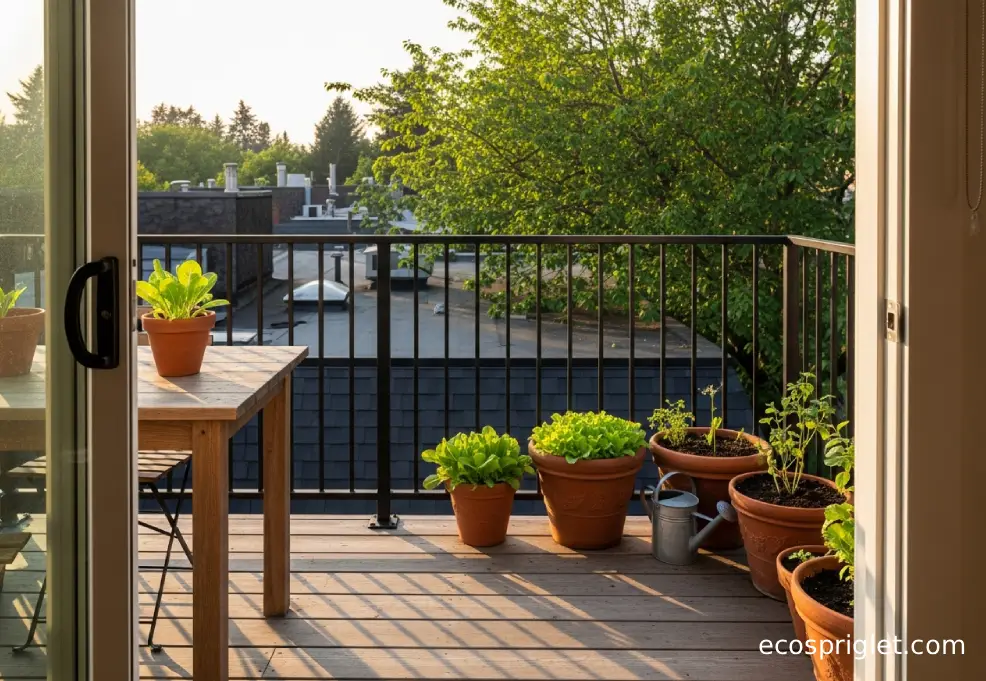
If your goal is reliable, weekly salads, start with loose-leaf lettuce mixes. They’re fast, they’re flexible, and you can harvest “cut-and-come-again” style. Romaine (cos) can absolutely work indoors too, but it wants a little more spacing and steadier light if you want anything resembling a head.
Here’s how I think about it in an apartment:
- Loose-leaf: best for windowsills and small grow lights; harvest leaves early and often.
- Butterhead/Bibb: great texture indoors; likes cool temps and even moisture.
- Romaine (cos): upright and crisp; give it more room (and don’t skimp on light).
One practical note: most indoor growers do better avoiding crisphead/iceberg. It’s more demanding and less rewarding in a container setup. (Even outdoors, it’s the fussy one.) Sources I trust for variety notes and spacing basics include UC Agriculture and Natural Resources (UCANR) and the University of Maryland Extension.
Best Container for Growing Lettuce Indoors
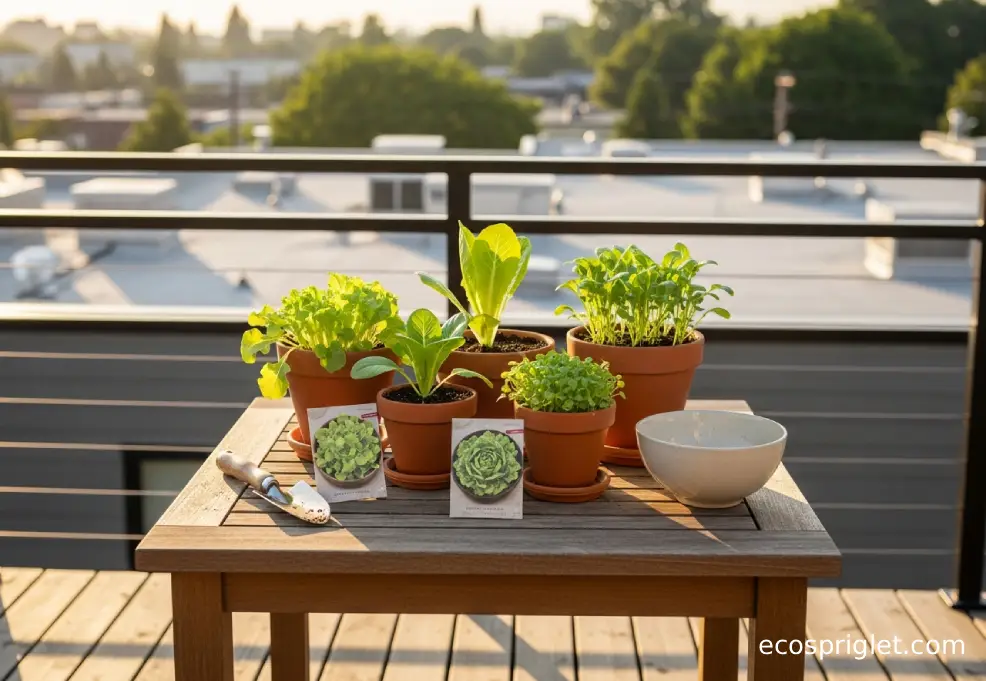
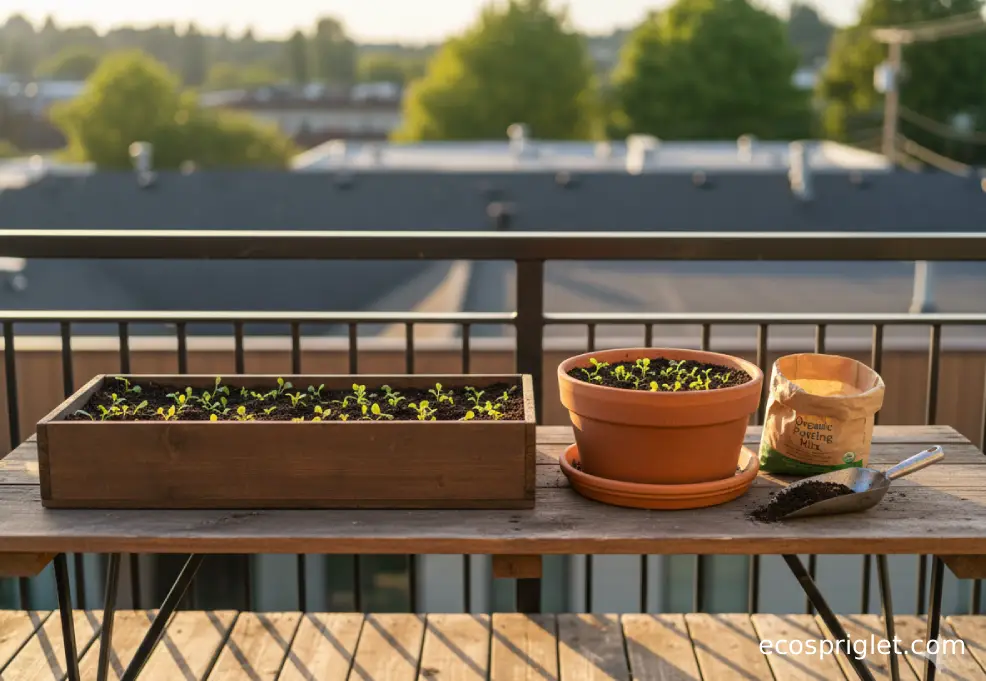
For most indoor lettuce, think “wide and shallow,” not “tall and skinny.” Lettuce roots don’t need a deep column of soil, but they do appreciate consistent moisture and room to spread a bit.
Use these container rules of thumb:
- Depth: 6–9 inches deep works well for lettuce in containers (deeper is fine; shallow is the win).
- Drainage: at least 1–2 drainage holes, plus a saucer or tray to protect your shelf.
- Surface area: pick width based on how many plants you want—more surface area = steadier moisture and easier harvesting.
A common beginner mistake is “fixing drainage” by adding rocks or gravel in the bottom. Don’t. It reduces usable soil space and can keep the wet zone closer to roots. Use a quality potting mix and proper drainage holes instead. Sources: University of Illinois Extension and UC Master Gardeners.
Soil and Sowing: The Small Details That Make Indoors Easy
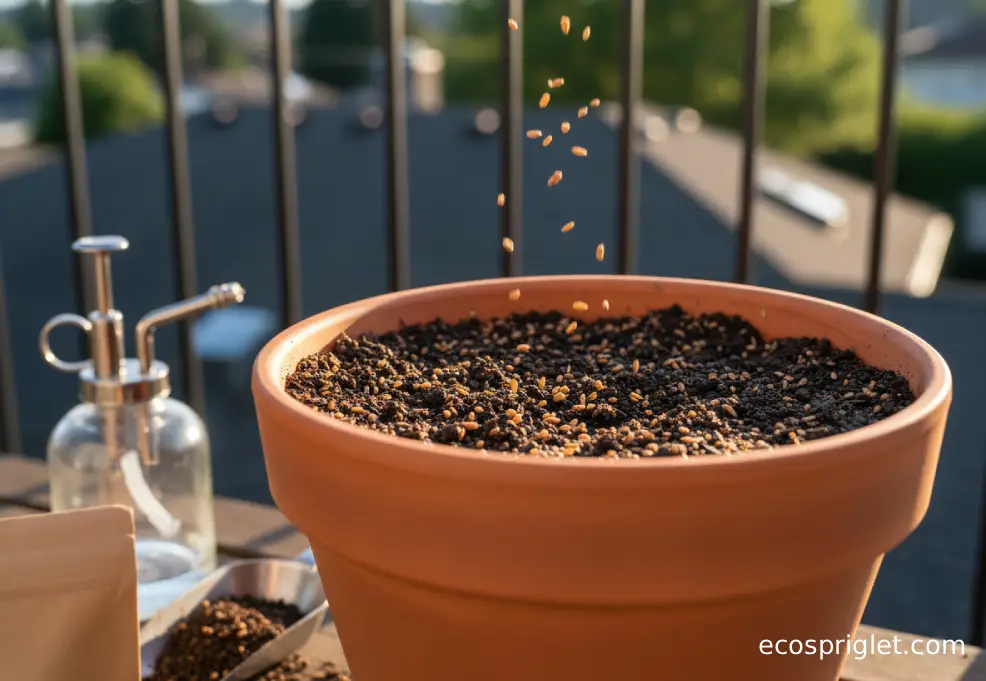
This is where “how do you grow lettuce indoors” gets pleasantly simple. Use a bagged potting mix (not garden soil), moisten it evenly, and sow shallow. Lettuce seed is small and doesn’t want to be buried like a bean.
Planting norms that keep you out of trouble:
- Sow depth: 1/4 inch (up to 1/2 inch) is plenty; don’t smother the seed. Sources: Arkansas Cooperative Extension.
- Germination temps: lettuce can sprout cool, but many sources note best germination in the warmer range (around 70–75°F). Sources: NC State Extension.
- Thin early: once seedlings are up, thin so each plant has breathing room (it’s the difference between tender leaves and a cramped tangle).
I remember my first indoor sowing: I planted “like outdoors,” sprinkled soil over the top like I was salting fries, and then wondered why everything struggled. Indoors, you don’t get the same margin for error—light is finite, airflow is calmer, and crowding turns into fungus fast. A light dusting of mix over the seeds (or even just pressing them gently into the surface) is often enough.
One more small-but-mighty detail: if your mix runs a bit off (some bags skew more acidic or alkaline than you’d expect), it can quietly slow growth and make nutrients harder to access. If you’re seeing pale seedlings or stalling despite good light and watering, it’s worth doing a quick check and dialing it in—this walkthrough on adjusting your potting mix’s acidity/alkalinity can help: How to Improve Soil pH.
Light Setup: Windowsill vs. Grow Light (And How Long to Run It)
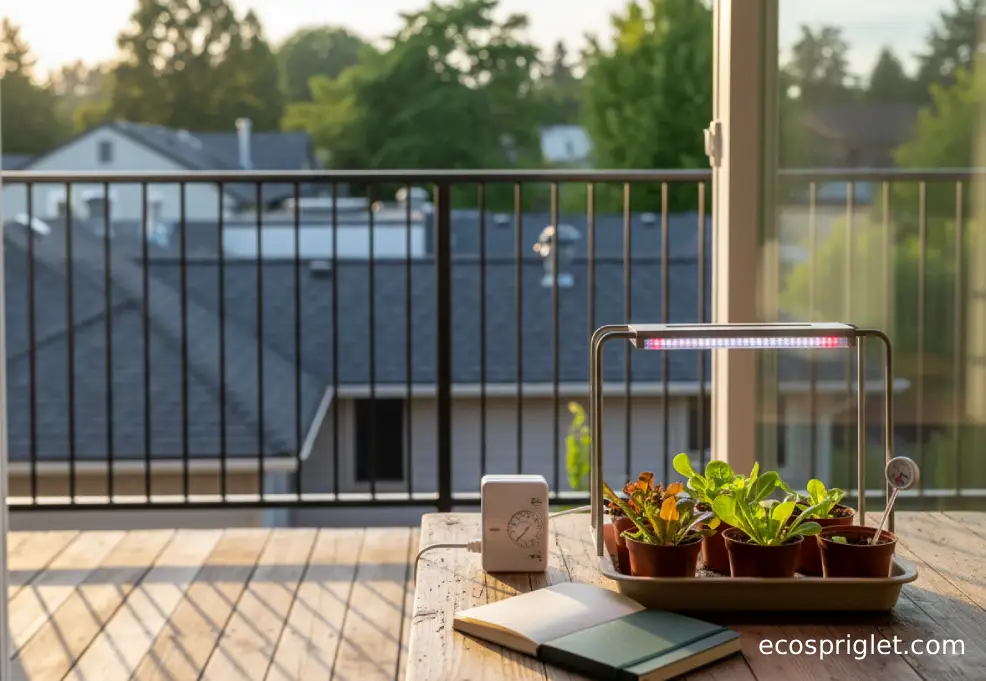
Lettuce indoors usually fails for one reason: not enough light hours. A bright south-facing window can work, but most apartments benefit from supplemental lighting—especially in winter.
Two solid, beginner-friendly targets:
- Bright window: aim for 6–8 hours of bright light; rotate pots every few days so plants don’t lean. Sources: University of Illinois Extension.
- Under lights: many indoor setups run lettuce 12–14 hours/day (hydroponic lettuce guidance), while seedlings often like 16–18 hours/day. A timer makes this painless. Sources: University of Minnesota Extension.
If you’re using fluorescent or LED grow lights, keeping the light fairly close matters. University of Illinois Extension notes fluorescents held about 6–12 inches above plants for long daily runs (around 14–16 hours) when you’re replacing sun with bulbs.
Beginner mistake to watch for: chasing “more light” by moving the lamp far away. The fix is usually the opposite—bring the light closer (safely), and keep the schedule consistent.
Watering and Feeding: Keep It Even, Not Soaked
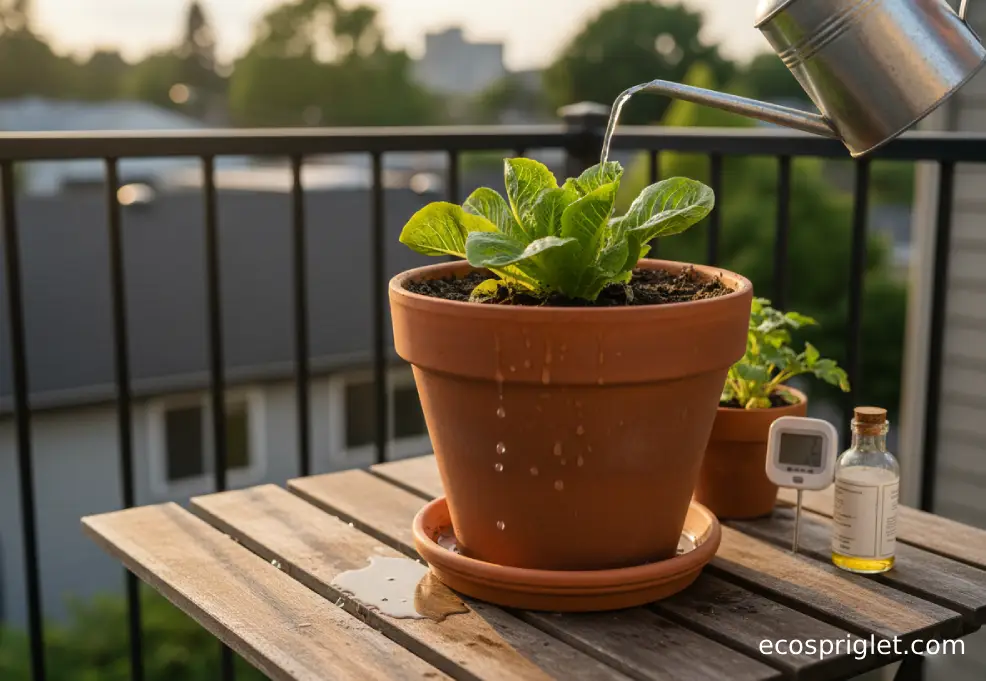
Lettuce likes steady moisture. Not “swamp,” not “bone dry,” but consistently damp like a wrung-out sponge. NC State Extension notes lettuce has a relatively high water requirement, and even short moisture stress can limit growth. Indoors, that shows up as tougher leaves and slow regrowth.
My simple indoor routine:
- Check moisture: water when the top 1/2–1 inch of mix feels dry.
- Water thoroughly: add water until you see a little in the tray, then empty the tray after 10–15 minutes so roots aren’t sitting in it.
- Feed lightly: if you’re harvesting repeatedly, use a water-soluble fertilizer at a light dose about every 2 weeks (especially in plain potting mix). University of Illinois Extension recommends a 2-week rhythm for water-soluble feeding indoors.
One more common mistake: blasting seedlings with full-strength fertilizer early. The fix is patience—wait until plants have a few true leaves, then go light and steady.
Growing Romaine Lettuce Indoors Without the Flop
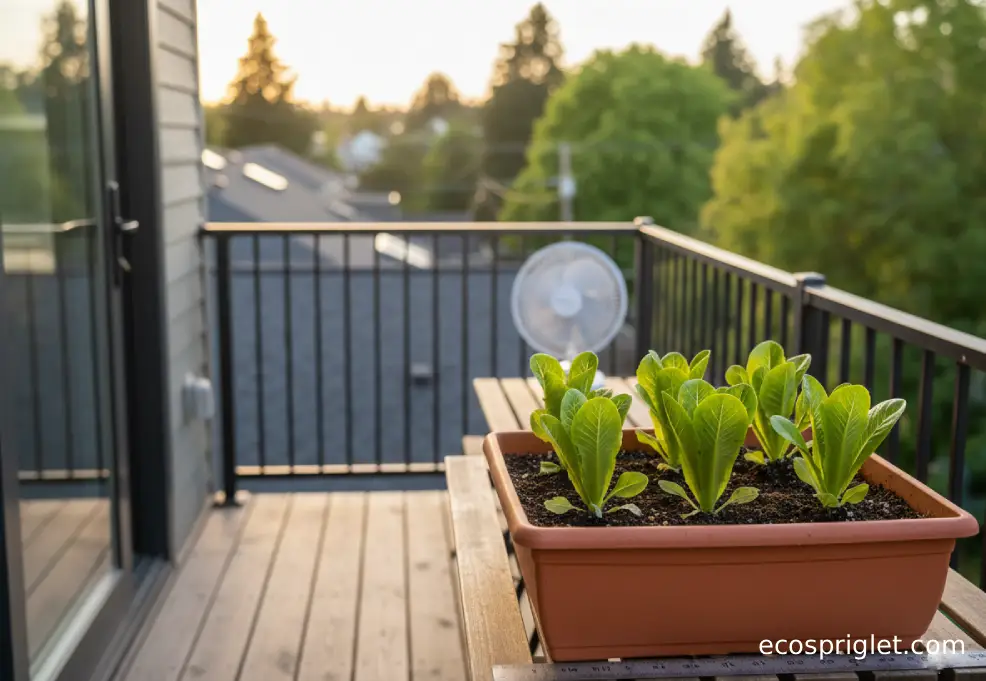
If you specifically want growing romaine lettuce indoors, treat it like the tall friend who needs a little extra elbow room. Romaine’s upright shape is great in a container, but crowding (and inconsistent light) makes it lean, stretch, and lose that crisp bite.
Spacing guidelines you can actually use indoors:
- Thin to 6–8 inches apart for cos/romaine types (great for “mini heads” and sturdy plants). Sources: Arkansas Cooperative Extension and UCANR.
- Keep it cool: lettuce quality drops fast with heat; many resources flag bolting risk when temps run high, especially above the mid-70s°F for extended periods. Sources: Cornell Cooperative Extension and NC State Extension.
Two tiny upgrades that help romaine indoors:
First, add gentle airflow (a small fan across the room is enough). Second, don’t let the pot dry out and then “rescue water” it—those swings are exactly when romaine gets bitter on you.
Harvesting Indoors: Cut-and-Come-Again for Weekly Salads
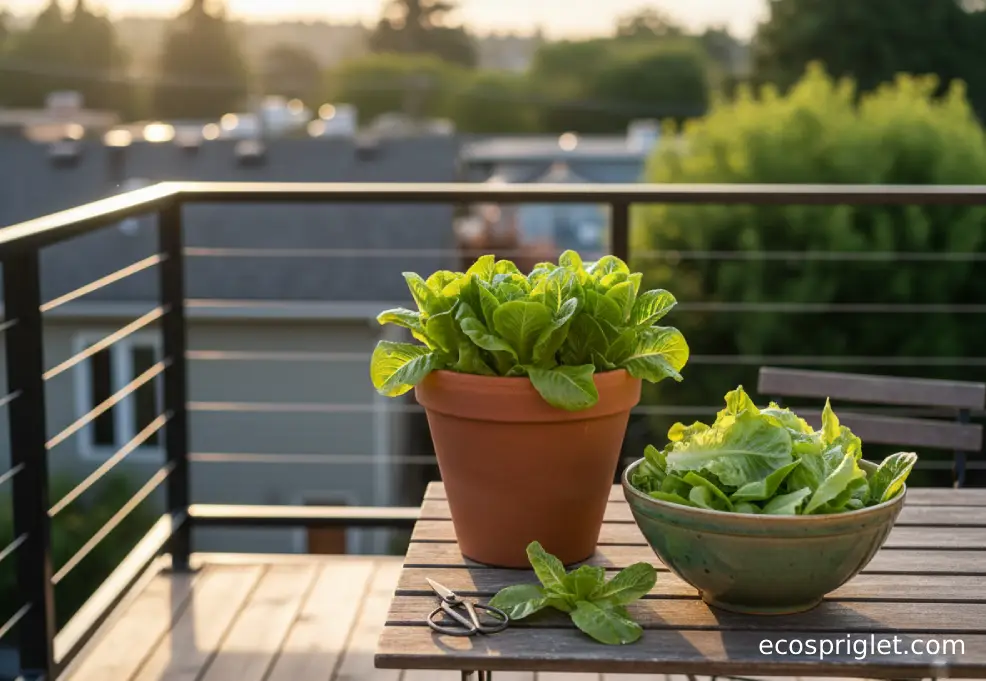
This is the fun part—and it’s also why indoor lettuce is worth the shelf space. With loose-leaf types, you don’t have to wait for perfection. Harvest early, harvest often, and the plant keeps producing.
My go-to method: snip outer leaves when they’re 4–6 inches long, leaving the center to keep growing. If you want a “salad night” harvest, cut a handful across the top but leave at least 1 inch of growth so it can rebound. For inspiration on repeated harvesting, I like the approach described by the RHS (Royal Horticultural Society) for cut-and-come-again salads.
If you’re growing romaine indoors and aiming for a small head, be patient and resist constant nibbling—pick a lane. Either harvest like leaf lettuce (loose leaves) or let it bulk up with consistent light and spacing.
Troubleshooting Indoor Lettuce Problems (Leggy, Bitter, or Wilting)
| Problem | What It Usually Means | Fix That Works Indoors |
|---|---|---|
| Leggy, pale seedlings | Not enough light hours or light too far away | Increase to a consistent daily schedule; move light closer (safely) and rotate pots near windows |
| Bitter leaves | Heat stress or dry/wet swings | Keep temps cooler; water before the mix dries deeply; don’t place near heaters |
| Wilting even when soil is wet | Poor drainage or roots sitting in water | Use drainage holes, empty saucers after watering, and avoid “rocks in the bottom” |
| Fuzzy mold on soil | Too much moisture + low airflow | Let the top dry slightly between waterings; add gentle airflow; thin crowded seedlings |
Quick reality check: indoor lettuce prefers rooms at 70°F or below, and heat sources nearby can mess with it fast. University of Illinois Extension specifically calls out avoiding direct heat sources for indoor lettuce.
Common Mistakes New Indoor Lettuce Growers Make
I learned this the hard way: indoors, small mistakes compound because your plants can’t “outgrow” a bad setup the way they sometimes do outdoors.
- Using a pot with no drainage: it works until it doesn’t. If you love a decorative pot, nest a draining pot inside it.
- Planting too deep: lettuce seed is tiny—keep sowing shallow (1/4 inch is plenty). Sources: Arkansas Cooperative Extension.
- Not thinning: crowded lettuce is an invitation to weak growth and mold. Thin to sensible spacing early (4 inches for leaf lettuce; 6–8 inches for romaine/cos). Sources: Arkansas Cooperative Extension.
- Light “whenever I remember”: inconsistent schedules cause stretching. Use a timer and make it boring (plants love boring).
If you want more small-space planting ideas that pair nicely with indoor lettuce, my favorite “kitchen greens combo” is lettuce plus herbs—this fits beautifully with a compact shelf setup. See our balcony herbs guide for easy herb picks that behave indoors, too.
Creative Ways to Keep Lettuce Going Indoors All Year
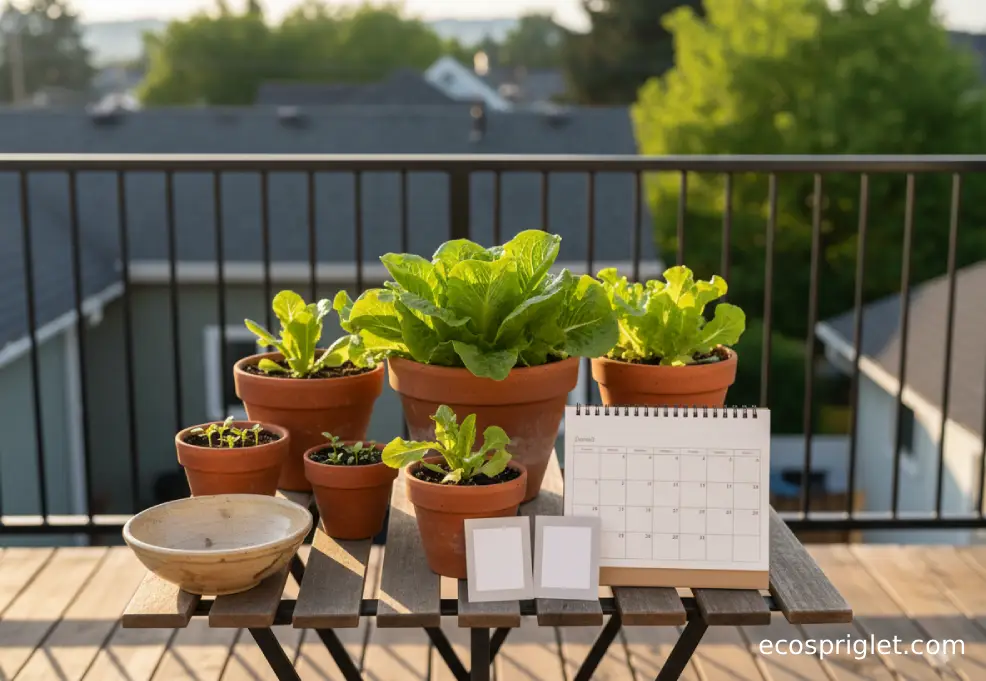
If you want that steady “there’s always lettuce” feeling, the secret is staggering your sowings. Indoors, you don’t have weather stopping you—so you can plant small batches on repeat.
- Succession sowing: start a small pot every 2–3 weeks so you always have a fresh wave coming.
- Baby leaf harvest: grow more plants closer together, harvest young, and reseed the pot once it slows down.
- Microgreens pivot: if your light is limited, grow lettuce-like salad mixes as baby greens and keep expectations realistic.
And yes, you can regrow lettuce from a store-bought base in water, but think of it as a fun science experiment—not a full replacement for growing from seed. For ongoing harvests, seed + consistent light wins every time.
Conclusion: Your Apartment Salad Bowl Starts With One Pot
Growing lettuce indoors doesn’t require a fancy hydroponic tower or a spare room. It’s a small, repeatable routine: a wide container with drainage, a potting mix that stays light and evenly moist, and a dependable light schedule. Once you’ve got that, you can decide whether you want quick loose-leaf harvests or to try growing romaine lettuce indoors with a bit more spacing and consistency.
If you take only two things from this guide, let them be these: don’t starve lettuce of light hours, and don’t let moisture swing wildly between dry and soggy. Those two fixes solve most “why is this not working?” moments. Start with one pot, sow shallow, thin early, and harvest a little at a time. Before long, you’ll have the kind of indoor setup that quietly pays you back every week—one bowl of crisp greens at a time.